
Protecting Confidentiality: A Legal Guide to Non-Disclosure
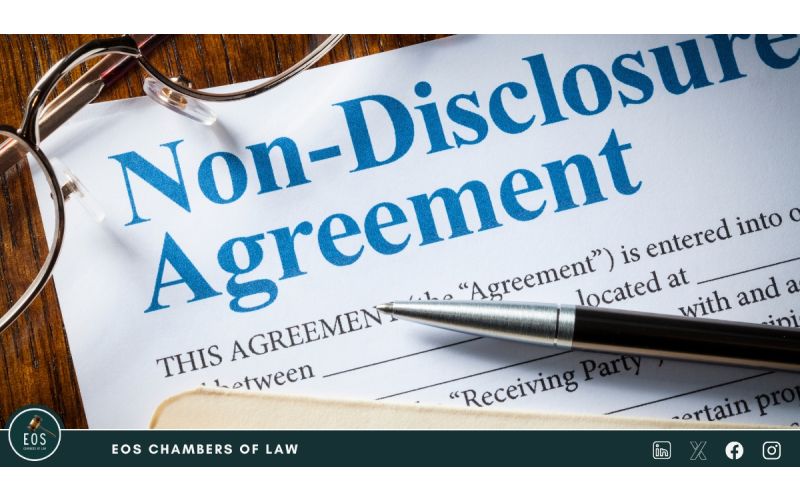
Protecting Confidentiality: A Legal Guide to Non-Disclosure Agreements (NDAs) in India
|
In a rapidly growing business ecosystem, safeguarding sensitive information is paramount. For Indian businesses, Non-Disclosure Agreements (NDAs) have become crucial legal tools to protect trade secrets, proprietary information, client details, and more. This article explores NDAs from an Indian legal perspective, offering insights on their importance, enforceability, and essential considerations.
What is an NDA?
A Non-Disclosure Agreement is a legal contract that establishes a confidential relationship between parties, ensuring that sensitive information shared for a specific purpose is not disclosed to unauthorized individuals or entities. NDAs are commonly used between employers and employees, partners in joint ventures, vendors, and clients.
Types of NDAs
- Unilateral NDAs: Involves one party agreeing not to disclose confidential information shared by the other party.
- Mutual NDAs: Both parties exchange confidential information and agree to protect it from third-party disclosure.
Why NDAs are Vital for Indian Businesses
- Safeguarding Trade Secrets: Businesses often share sensitive data during negotiations, collaborations, or partnerships. NDAs protect these disclosures, preventing misuse.
- Legal Recourse for Breach: NDAs outline remedies for unauthorized disclosures, creating a deterrent against breaches.
- Preserving Client and Market Trust: NDAs offer confidence to clients and partners that their data will be protected, strengthening business relationships.
Key Provisions to Include in an NDA
- Definition of Confidential Information: Clearly specify what information is deemed confidential.
- Obligations of Receiving Party: Outline duties to safeguard information and restrict its use.
- Exclusions: Mention any information that is excluded from confidentiality, such as publicly known data or independently developed knowledge.
- Term and Duration: Define the duration for which the NDA will be in effect.
- Consequences of Breach: Detail penalties, remedies, and potential legal recourse in the event of a breach.
Enforceability of NDAs in India
Under Indian contract law, NDAs are considered legally binding agreements. However, for enforcement, certain principles must be adhered to:
- Consideration: An NDA must have a lawful consideration, a key component under the Indian Contract Act, 1872.
- Reasonable Restrictions: NDAs cannot impose excessively broad restrictions, as Indian courts disfavor clauses that unduly hinder trade or business.
- Non-Compete Clauses: While restrictive covenants are permissible, courts may strike down those seen as unreasonable in duration or scope.
Challenges and Legal Considerations
- Ambiguity: Vague NDAs may lead to disputes. Clear and precise language is crucial.
- Employee NDAs: Indian law may view excessive restrictions on employees’ ability to work post-employment as void.
- Cross-Border Enforceability: With global business expansion, ensuring NDAs align with international jurisdictions is essential.
Best Practices for Drafting an NDA
- Tailored Clauses: Avoid generic templates; customize NDAs to suit the nature of your business relationship.
- Legal Review: Engage legal counsel to draft and review NDAs, ensuring their enforceability under Indian law.
- Periodic Revisions: As your business evolves, update NDAs to reflect new legal developments or changes in operations.
Final Thoughts
Non-Disclosure Agreements serve as shields for Indian businesses, offering protection for intellectual property, market strategies, and other sensitive data. By understanding their legal underpinnings and incorporating best practices, businesses can build trust, reduce risks, and foster robust collaborations while protecting their valuable information.
Post Categories
Featured Posts







Latest Posts








Latest Posts
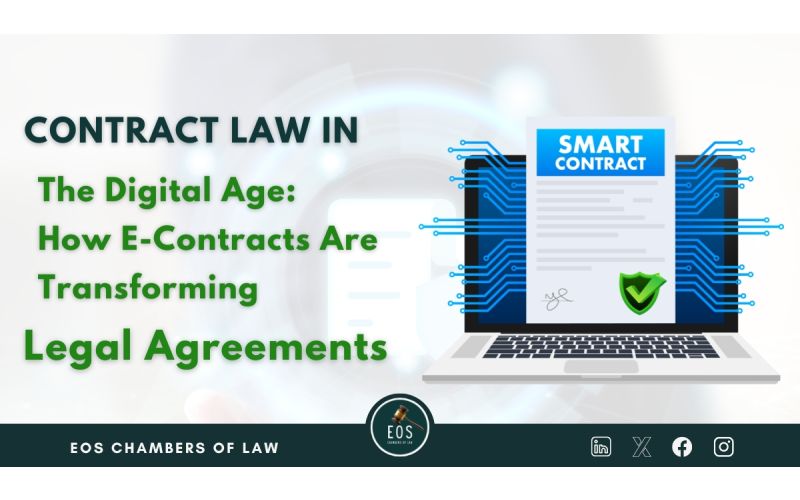
Contract Law in the Digital Age: How E-Contracts Are Transforming Legal Agreements
In today's fast-paced, technology-driven world, traditional paper-based contracts are swiftly being replaced by electronic contracts, or e-contracts. This shift is transforming the way legal agreements are created, executed, and enforced. Here’s an in-depth look at how e-contracts are revolutionizing contract ...
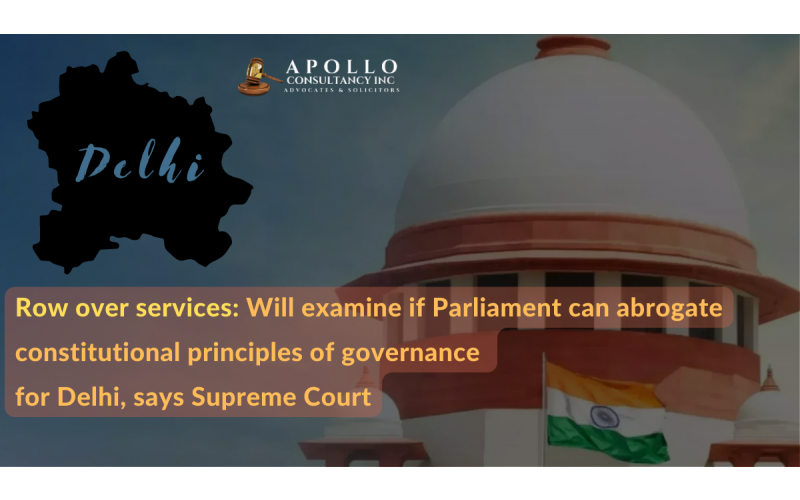
Row Over Services: Will Examine If Parliament Can Abrogate Constitutional Principles Of Governance For Delhi, Says Supreme Court
The Supreme Court has said a five-judge constitution bench will examine whether Parliament can “abrogate the constitutional principles of governance” for the Delhi government by making a law to take away its control over services. The Centre recently issued an ...
An In-Depth Look at Environmental and Sustainability Law
In today's rapidly changing world, environmental and sustainability law has become a cornerstone of global legal practices. With increasing awareness of climate change, resource depletion, and environmental degradation, these laws are essential for promoting sustainable development and protecting our planet ...
India's Tougher Anti-Paper Leak Law-A Step Towards Protecting Merit and Restoring Public Trust
A Legal Perspective on the Public Examinations (Prevention of Unfair Means) Amendment Act, 2026 For millions of students across India, a public examination is far more than a test—it represents years of dedication, family sacrifices, and aspirations for a better ...
"Why Is CARA Delaying Adoption Process?" Supreme Court Calls For Prompt Action To Benefit Waiting Children & Couples
The Supreme Court on Friday (13.10.2023), raised serious concerns over the delays in the adoption process and the potential impact on both aspiring parents and children in need of loving homes. The remarks came from a bench comprising CJI DY ...
Motor Accident Claims | No Right To Recovery For Insurer Merely Because Vehicle Owner Didn't Verify Driver's License : Supreme Court
The Supreme Court on Monday (30th October) held that an insurance company cannot claim that it is not liable to pay compensation in a motor vehicle accident claim just because the vehicle owner did not verify the genuineness of the ...

Speak With Our
Get a Appointment