
SC On Aadhaar: Important Takeaways From The Recent Verdict

SC On Aadhaar: Important Takeaways From The Recent Verdict
|
The Supreme Court ruled that Aadhaar, the ambitious public scheme that uses biometric data to generate unique identification numbers for citizens, is constitutionally valid, but with conditions. Here are the key takeaways from today’s verdict.
Post Categories
Featured Posts








Latest Posts








Latest Posts

"Why Are You Being So Patriarchal?" : Supreme Court Asks Centre Over Denial Of Permanent Commission To Woman Coast Guard Officer
The Supreme Court on Monday (February 19) pulled up the Central Government over the denial of Permanent Commission for women officers in the Indian Coast Guard (ICG). The bench led by Chief Justice of India DY Chandrachud, hearing a plea of ...

UPSC CSE: No Interim Relief, Delhi High Court Asks CAT To Expeditiously Decide On Plea To Lower CSAT Cut-Off
The Delhi High Court on Wednesday asked the Central Administrative Tribunal to decide expeditiously the Plea seeking reduction in the cut off from 33% to 23% for qualifying Part II (CSAT) exam of 2023 Civil Services Examination conducted by UPSC ...

Personal Data Protection Bill: Implications for Businesses and Individuals
The Personal Data Protection Bill (PDP Bill) is a transformative piece of legislation aimed at safeguarding personal data and ensuring privacy in India. Here’s a concise overview of its key provisions and implications for businesses and individuals. Key Provisions of ...
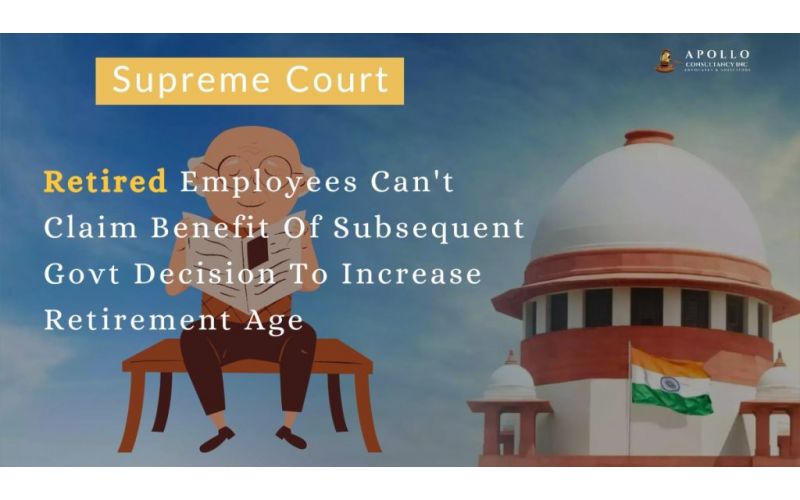
Retired Employees Can’t Claim Benefit Of Subsequent Govt Decision To Increase Retirement Age : Supreme Court
The Supreme Court has dismissed a petition filed by a group of teachers in Homeopathic Medical Colleges in Kerala seeking increase of their retirement age from 55 years to 60 years at par with the teachers of other Medical Colleges.The ...

Startups and Legal Compliance: A Guide to Navigating Indian Laws
Navigating legal compliance is crucial for startups to establish a strong foundation and ensure sustainable growth. In India, understanding and adhering to applicable laws can be complex but essential. Here’s a concise guide to help startups stay compliant: 1. Incorporation ...
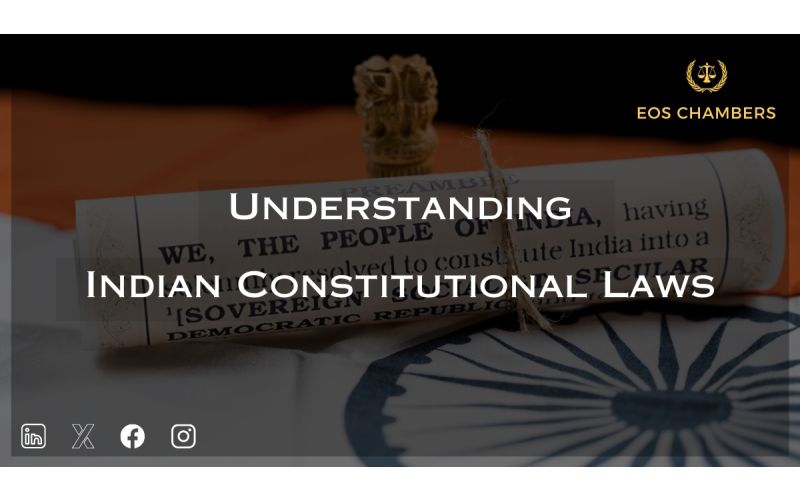
Understanding Indian Constitutional Laws: A Brief Overview
Introduction: Indian Constitutional Law is the backbone of the country's legal system, laying down the framework for governance, rights, and duties of citizens, and the functioning of various institutions. Enshrined in the Constitution of India, adopted on January 26, 1950, ...

Speak With Our
Get a Appointment