
Can’t Seek Immunity From Legal Provisions Because Contract
Can’t Seek Immunity From Legal Provisions Because Contract In President’s Name: SC
|
Defending the Centre, ASG argued that the contract in the case stands on a different footing as it is entered into in the name of the President.
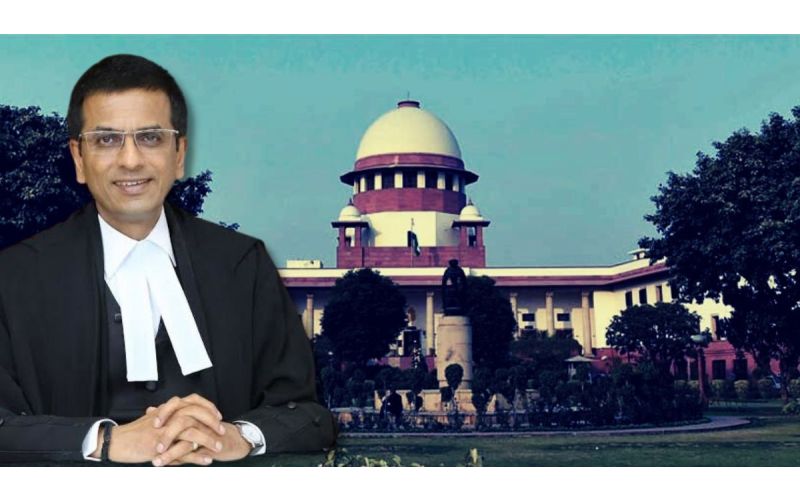
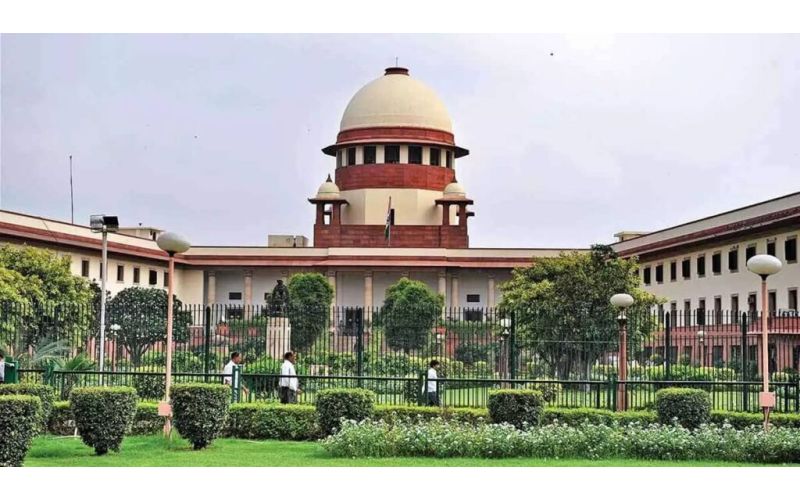
The Union of India cannot demand an immunity from the operation of pertinent legal provisions just because a contract is in the name of the President of India, the Supreme Court ruled on Friday.
A bench, comprising Chief Justice of India Dhananjaya Y Chandrachud and justices PS Narasimha and JB Pardiwala, interpreted Article 299 of the Constitution to hold that the central government, as a party to a contract, cannot wriggle out of statutory bars by arguing that the contract is in the name of the President of India.
Article 299 provides that all contracts in the exercise of the executive power of the union or of a State shall be expressed to be made by the President or by the Governor of the State, and all such contracts will be executed by a person duly authorized in that behalf.
“Having considered the purpose and object of Article 299, we are of the clear opinion that a contract entered into in the name of the President of India, cannot and will not create an immunity against the application of any statutory prescription imposing conditions on parties to an agreement, when the Government chooses to enter into a contract,” held the judgment, authored by justice Narasimha.
Post Categories
Featured Posts


Latest Posts








Latest Posts
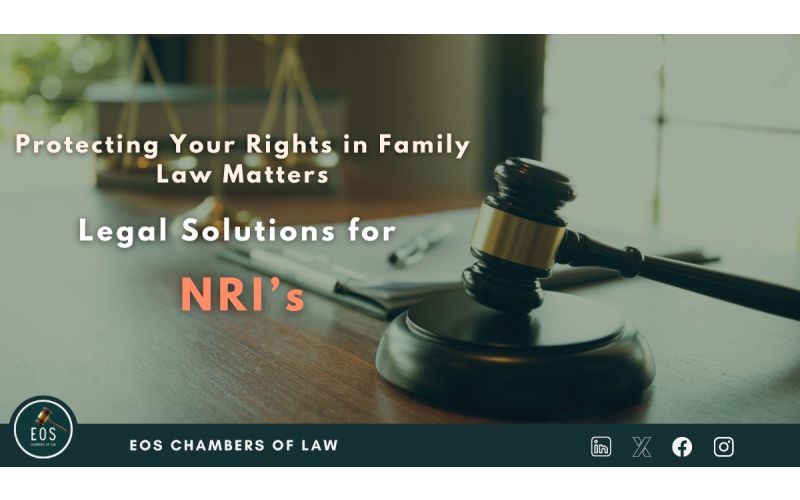
Protecting Your Rights in Family Law Matters: Legal Solutions for NRIs ⚖️
Navigating family law matters can be especially challenging for Non-Resident Indians (NRIs) who may face unique legal complexities. Whether dealing with divorce, child custody, or property disputes, understanding your rights and available legal solutions is crucial. Here are some key ...
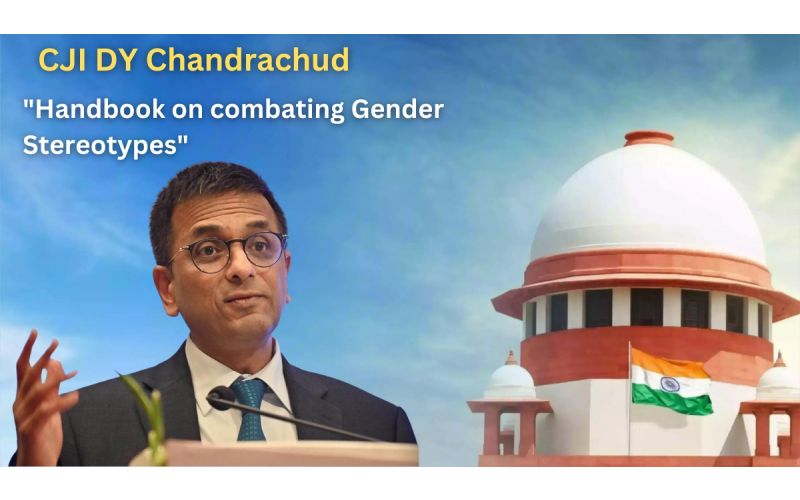
Supreme Court Has Prepared A “Handbook On Combating Gender Stereotypes”
Chief Justice of India DY Chandrachud announced today morning that the Supreme Court has prepared a “Handbook on combating Gender Stereotypes”, in order to identify and remove the use of words and phrases, which are loaded with gender stereotypes, in ...
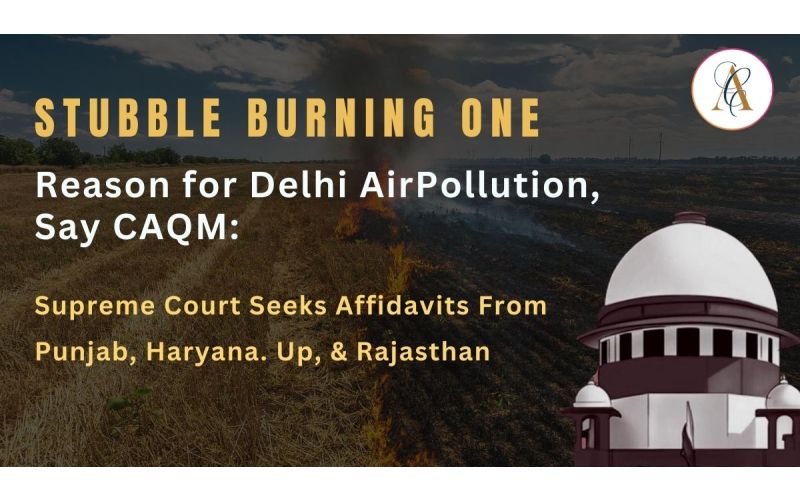
Stubble Burning One Reason For Delhi Air Pollution, Says CAQM; Supreme Court Seeks Affidavits From Punjab, Haryana, UP, Rajasthan
The Supreme Court on Tuesday (October 31) asked the Governments of Punjab, Haryana, Uttar Pradesh, Rajasthan and Delhi to file affidavits setting forth the steps they have taken to control air pollution including the measures to curb crop burning. This ...
ED Summons: What to Do & What NOT to Do (Complete Legal Guide – 2026)
Receiving a summons from the Enforcement Directorate (ED) can be stressful and confusing for individuals, business owners, and company directors. However, understanding your legal rights and obligations can help you respond effectively and avoid serious consequences. This guide explains what ...
S.106 Transfer Of Property Act | Onus On Tenant To Prove That Premises Was Leased For Manufacturing Purpose: Supreme Court
The Supreme Court Bench comprising Justice Aniruddha Bose and Justice Vikram Nath, has held that in order to attract the application of Section 106 of the Transfer of Property Act, 1882, which requires 6 months’ notice for termination of lease, ...
Children Born Out Of Irregular Marriage Legitimate Muslim Law – Supreme Court
The Rajya Sabha has passed the JThe Supreme Court has noted that children born out of irregular marriages, including one between a Muslim man and a Hindu woman, are legitimate and therefore eligible to inherit intestate property as per applicable ...

Speak With Our
Get a Appointment