
Indian Penal Code
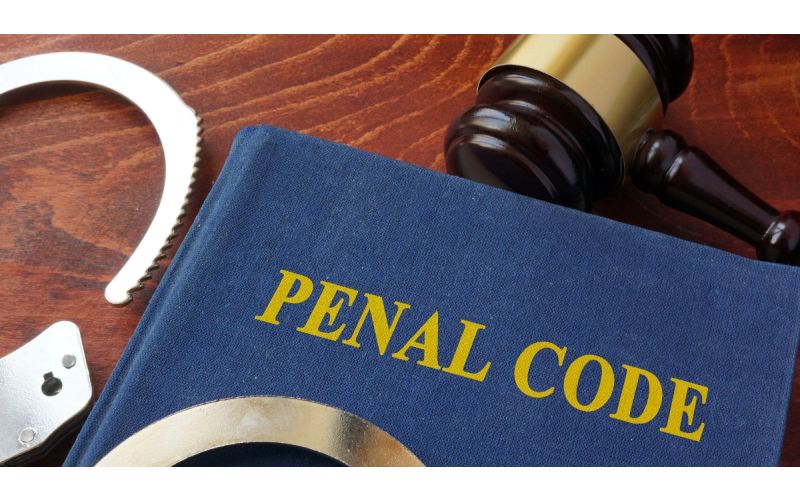
Indian Penal Code
|
The Indian Penal Code (IPC) is the official criminal code of India. It is a comprehensive code intended to cover all substantive aspects of criminal law. The code was drafted on the recommendations of the first law commission of India established in 1834 under the Charter Act of 1833 under the chairmanship of Thomas Babington Macaulay. It came into force in India during the British rule in 1862. However, it did not apply automatically in the Princely states, which had their own courts and legal systems until the 1940s. The code has since been amended several times and is now supplemented by other criminal provisions.
After the partition of India, the Indian Penal Code was inherited by India and Pakistan, where it continues independently as the Indian Penal Code and Pakistan Penal Code. After the independence of Bangladesh from Pakistan, the code continued in force there. The code was also adopted by the British colonial authorities in Colonial Burma, Ceylon (modern Sri Lanka), the Straits Settlements (now part of Malaysia), [[Singapore in the Straits Settlements Singapore and Brunei, and remains the basis of the criminal codes in those countries…
Source
Post Categories
Featured Posts







Latest Posts








Latest Posts
Indian Penal Code
The Indian Penal Code (IPC) is the official criminal code of India. It is a comprehensive code intended to cover all substantive aspects of criminal law. The code was drafted on the recommendations of the first law commission of India ...
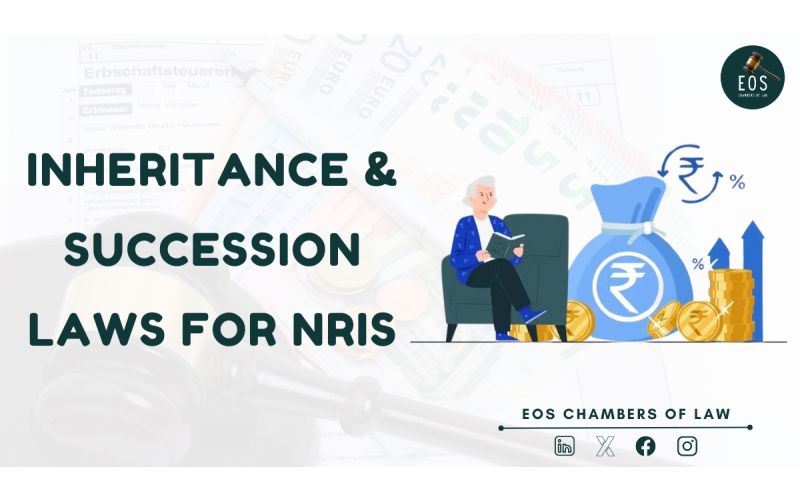
Inheritance and Succession Laws for NRIs
📢 Inheritance and Succession Laws for NRIs Understanding inheritance and succession laws is crucial for Non-Resident Indians (NRIs) to manage their assets and ensure smooth transfer to their heirs. Here's a concise guide to these laws for NRIs, including key ...
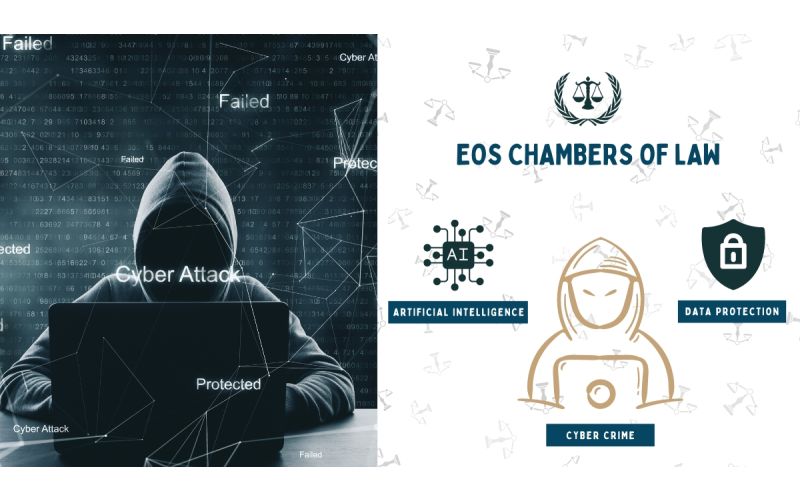
AI, Data Protection, and Cyber crime: Navigating Through the Nexus
It was the dawn of the Digital Revolution in the latter half of 20th century that started to reshape the world. But with the advent of AI, data protection, and cybersecurity have become paramount concerns for individuals, businesses, and governments ...

What Should You Do if a False Criminal Case or FIR is Filed Against You in India?
What should you do if you suddenly discover that a criminal case or FIR has been filed against you based on false allegations? Unfortunately, misuse of criminal law to settle personal disputes, business conflicts, or property disagreements is not uncommon ...
Central Civil Service Rules , Retired Employee Can Be Appointed As Inquiry Authority In Disciplinary Proceedings…
The Supreme Court recently held that the disciplinary authority under the Central Civil Service Rules is empowered to appoint a retired employee as an inquiry authority. It is not necessary that the inquiry officer should be a public servant. The ...
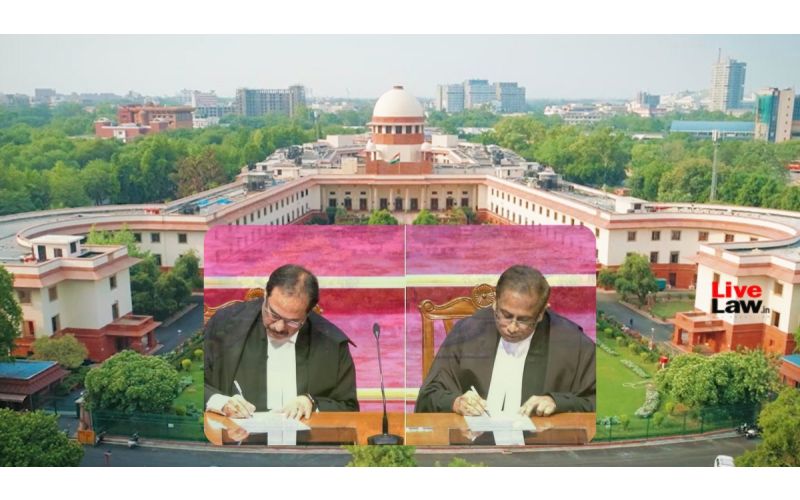
Prashant Mishra, KV Viswanathan Take Oath As Supreme Court Judges
By India, Today News Desk: Justice Prashant Kumar Mishra and senior advocate KV Viswanathan were sworn-in as Supreme Court judges on Friday, a day after the Central government cleared the appointment of the advocates. New Union Law Minister Arjun Meghwal took to ...

Speak With Our
Get a Appointment