
Blog Posts
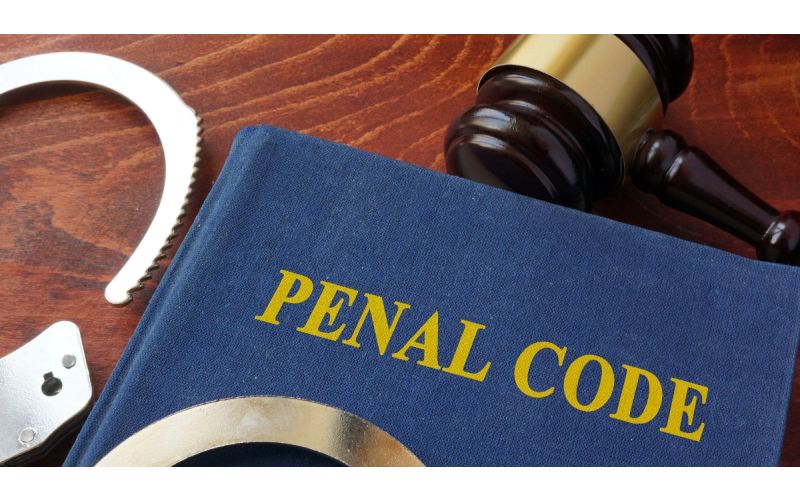
Indian Penal Code
The Indian Penal Code (IPC) is the official criminal code of India. It is a comprehensive code intended to cover all substantive aspects of criminal law. The code was drafted on the recommendations of the first law commission of India ...
Post Categories
Featured Posts





Latest Posts








Latest Posts
Supreme Court Sides With Madras HC: Person Forwarding Social Media Messages Liable For Contents
The Madras High Court had noted that Shekher was a person of high stature and had many followers. It stated that he should have exercised more caution when forwarding messages. The Supreme Court refused to entertain an appeal challenging Madras ...

𝐖𝐡𝐲 𝐋𝐞𝐠𝐚𝐥 𝐃𝐮𝐞 𝐃𝐢𝐥𝐢𝐠𝐞𝐧𝐜𝐞 𝐢𝐬 𝐂𝐫𝐮𝐜𝐢𝐚𝐥 𝐁𝐞𝐟𝐨𝐫𝐞 𝐀𝐧𝐲 𝐁𝐮𝐬𝐢𝐧𝐞𝐬𝐬 𝐌𝐞𝐫𝐠𝐞𝐫
Why Legal Due Diligence is Crucial Before Any Business Merger 📢 Planning a merger or acquisition? Don’t skip legal due diligence—it can make or break the deal! Here’s why: 🔎 What is Legal Due Diligence?It’s a comprehensive review of a ...

Personal Data Protection Bill: Implications for Businesses and Individuals
The Personal Data Protection Bill (PDP Bill) is a transformative piece of legislation aimed at safeguarding personal data and ensuring privacy in India. Here’s a concise overview of its key provisions and implications for businesses and individuals. Key Provisions of ...

Can AI-Generated Content Be Copyrighted in India?
Understanding Copyright Ownership, AI-Assisted Creation, Originality and the Emerging Legal Position Artificial Intelligence has fundamentally changed the way content is created. Today, a person can use an AI tool to generate a blog article, photograph, illustration, advertisement, music composition, video, ...

NEET-PG : Supreme Court Dismisses Plea Challenging Reduction Of NEET-PG 2023 Qualifying Percentile To Zero
The Supreme Court on Monday (September 25) dismissed a petition challenging the decision of the Union Government to reduce the cut-off for post-graduate medical college admissions through NEET-PG 2023 exam as zero percentile. A bench comprising dismissed a PIL filed ...

UAPA| Terrorism Cases Not To Be Taken Lightly: Supreme Court Sets Aside Default Bail
In a case pertaining to grant of default bail to a person accused under the Unlawful Activities (Prevention) Act, 1967 (“UAPA”), the Supreme Court yesterday allowed an appeal filed by the Delhi police, observing that the High Court fell in ...

Speak With Our
Get a Appointment