
SC : Divorce Can Be Granted On ‘Grounds Of Irretrievable B

SC : Divorce Can Be Granted On ‘Grounds Of Irretrievable Breakdown’
|
The Supreme Court on May 1 held that it can use its extraordinary powers to do “complete justice” under Article 142 of the Constitution and dissolve a marriage on the ground of ‘irretrievable breakdown’ of the union.
Usually, the apex court has to refer the parties back to the family courts concerned for a long wait for a formal decree of separation and divorce.
Read More >
Post Categories
Featured Posts




Latest Posts








Latest Posts
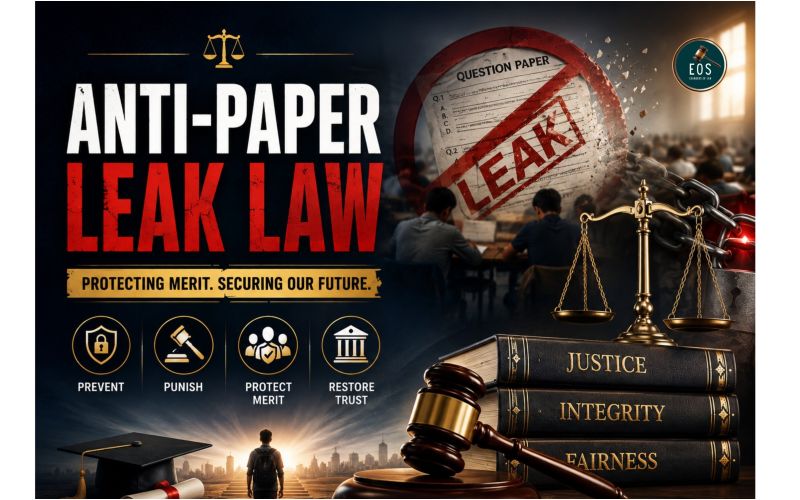
India's Tougher Anti-Paper Leak Law-A Step Towards Protecting Merit and Restoring Public Trust
A Legal Perspective on the Public Examinations (Prevention of Unfair Means) Amendment Act, 2026 For millions of students across India, a public examination is far more than a test—it represents years of dedication, family sacrifices, and aspirations for a better ...

An Exegesis On Criminal Offences: A Legal Discourse From The Pinnacle Of The Indian Judiciary
Index: Introduction Understanding Criminal Offences 2.1 Petty Offences 2.2 Cognizable Offences 2.3 Non-Cognizable Offences Consequences of Criminal Offences 3.1 Legal Consequences 3.2 Social and Personal Impact 3.3 Societal Costs Conclusion———————————— Introduction: Criminal offenses encapsulate acts that transgress established laws and regulations, warranting punitive measures imposed ...
SC Criticises Trend Of Seeking Bail Under Guise Of Challenging Validity Of PMLA In Money Laundering Cases
Article 32 of the Constitution gives individuals the right to approach the Supreme Court if they feel their fundamental rights have been violated. Supreme Court on Tuesday deprecated the trend of the accused in money laundering cases using Article 32 ...
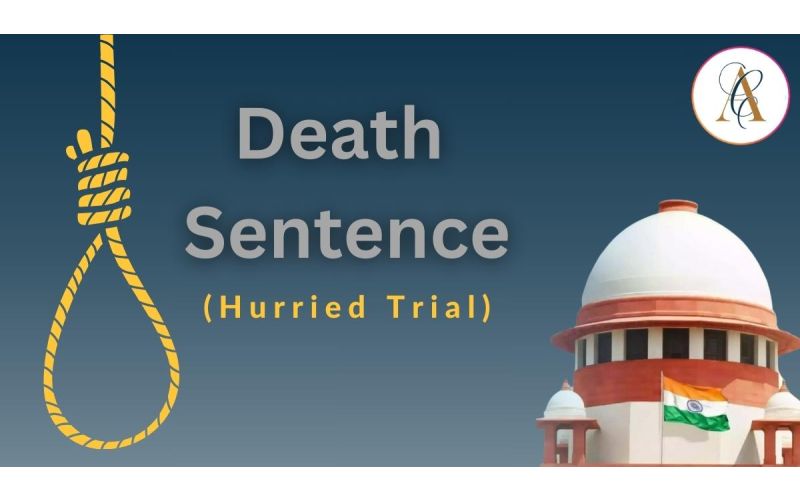
'Hurried Trial' : Supreme Court Sets Aside Death Penalty Given In Child Rape-Murder Case Within 23 Days; Orders Fresh Trial
The Supreme Court on Thursday (October 19) set aside the conviction and death sentence of a man accused of kidnapping, raping, and murdering a three-month-old infant after noting that he had not been give a 'proper opportunity' to defend himself. ...
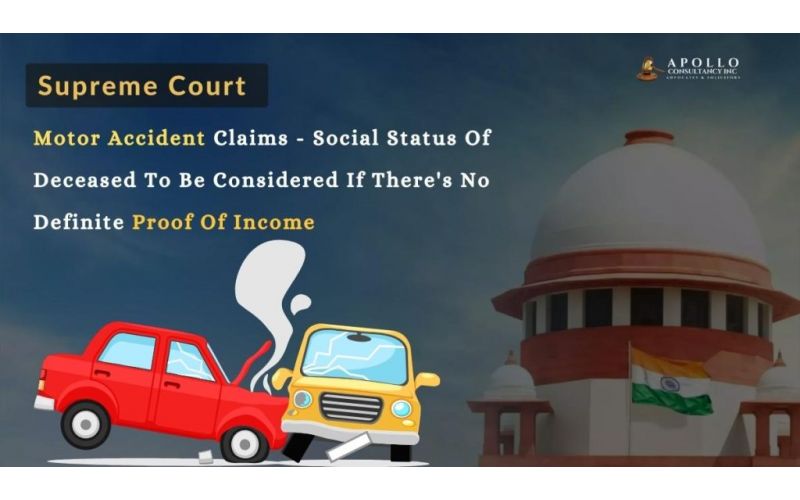
Motor Accident Claims – Social Status Of Deceased To Be Considered If There’s No Definite Proof Of Income: Supreme Court
The Supreme Court has reinstated an award originally granted by the Motor Accidents Claim Tribunal (MACT). The apex court expressed disappointment over the approach taken by the High Court in evaluating the evidence and reinstated the MACT’s verdict. The Court ...

How to Legally Protect Your Business in India: A Complete Compliance Checklist (2026)
In today’s rapidly evolving regulatory environment, running a business in India is not just about growth—it is about staying compliant, protected, and risk-aware. Many businesses face legal challenges not due to intent, but due to lack of structured compliance systems. ...

Speak With Our
Get a Appointment