
Blog Posts

Startups and Legal Compliance: A Guide to Navigating Indian Laws🏛️
Starting a business in India is an exciting journey filled with opportunities and challenges. One critical aspect that often poses a challenge for startups is navigating the complex landscape of legal compliance. Understanding and adhering to the various laws and ...

Contract Law in the Digital Age: How E-Contracts Are Transforming Legal Agreements
In today's fast-paced, technology-driven world, traditional paper-based contracts are swiftly being replaced by electronic contracts, or e-contracts. This shift is transforming the way legal agreements are created, executed, and enforced. Here’s an in-depth look at how e-contracts are revolutionizing contract ...
Personal Data Protection Bill: Implications for Businesses and Individuals
The Personal Data Protection Bill (PDP Bill) is a transformative piece of legislation aimed at safeguarding personal data and ensuring privacy in India. Here’s a concise overview of its key provisions and implications for businesses and individuals. Key Provisions of ...

An In-Depth Look at Environmental and Sustainability Law
In today's rapidly changing world, environmental and sustainability law has become a cornerstone of global legal practices. With increasing awareness of climate change, resource depletion, and environmental degradation, these laws are essential for promoting sustainable development and protecting our planet ...
𝐄𝐦𝐛𝐫𝐚𝐜𝐢𝐧𝐠 𝐋𝐞𝐠𝐚𝐥 𝐓𝐞𝐜𝐡𝐧𝐨𝐥𝐨𝐠𝐲: 𝐈𝐧𝐧𝐨𝐯𝐚𝐭𝐢𝐨𝐧𝐬 𝐒𝐡𝐚𝐩𝐢𝐧𝐠 𝐭𝐡𝐞 𝐅𝐮𝐭𝐮𝐫𝐞 𝐨𝐟 𝐋𝐚𝐰
In today's rapidly evolving digital landscape, the legal industry stands at the precipice of transformation. As advancements in technology redefine the way we work, communicate, and interact, the realm of law is not immune to these revolutionary changes. At Eos ...

𝐔𝐩𝐡𝐨𝐥𝐝𝐢𝐧𝐠 𝐄𝐭𝐡𝐢𝐜𝐬 𝐚𝐧𝐝 𝐏𝐫𝐨𝐟𝐞𝐬𝐬𝐢𝐨𝐧𝐚𝐥 𝐑𝐞𝐬𝐩𝐨𝐧𝐬𝐢𝐛𝐢𝐥𝐢𝐭𝐲 𝐢𝐧 𝐓𝐨𝐝𝐚𝐲’𝐬 𝐋𝐞𝐠𝐚𝐥 𝐋𝐚𝐧𝐝𝐬𝐜𝐚𝐩𝐞!
In the realm of law, ethics and professional responsibility form the bedrock upon which trust, integrity, and justice stand. As guardians of the legal system, it is incumbent upon legal professionals to adhere to the highest ethical standards, ensuring fairness, ...

Anti-Money Laundering (AML) Compliance: Best Practices for Law Firms
In today's globalized economy, money laundering poses a significant threat to financial systems and institutions, including law firms. As facilitators of various financial transactions, law firms are often targeted by money launderers seeking to legitimize illicit funds. Anti-Money Laundering (AML) ...

Navigating the Latest GDPR Updates: What Solicitors Need to Know
The General Data Protection Regulation (GDPR) remains a cornerstone of data protection in the EU. Since its implementation in 2018, several updates have refined its application, addressing evolving data privacy concerns. For solicitors, understanding these changes is crucial for advising ...
Inheritance and Succession Laws for NRIs
📢 Inheritance and Succession Laws for NRIs Understanding inheritance and succession laws is crucial for Non-Resident Indians (NRIs) to manage their assets and ensure smooth transfer to their heirs. Here's a concise guide to these laws for NRIs, including key ...
Repatriation of Funds: Guidelines for NRIs
Navigating the repatriation of funds as a Non-Resident Indian (NRI) can be complex, but understanding the guidelines can simplify the process and ensure compliance with Indian regulations. Here's a comprehensive overview to help NRIs manage their finances effectively. 1️⃣ ...
Post Categories
Featured Posts








Latest Posts








Latest Posts
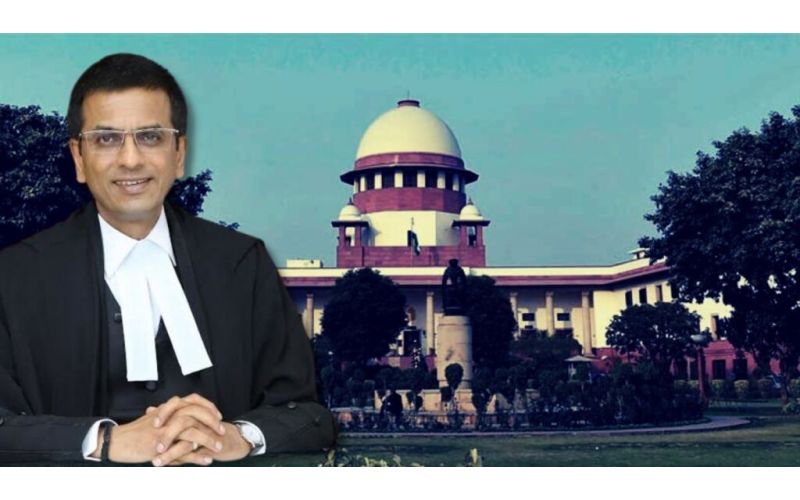
CJI Chandrachud Bats For Mediation As Dispute Resolution Mechanism For Individuals, Govt
NEW DELHI: Chief Justice of India DY Chandrachud batted on Friday for adopting and encouraging mediation, including online mediation, as a mode of dispute resolution other than litigation, saying it would reduce the courts’ caseload and has the potential to ...
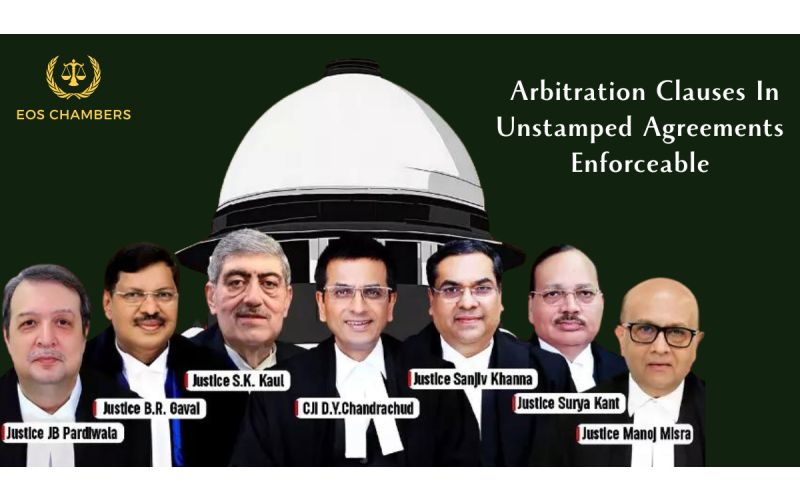
BREAKING | Arbitration Clauses In Unstamped Agreements Enforceable : Supreme Court 7-Judge Bench Overrules 'NN Global' Decision
A seven-judge bench of the Supreme Court on Wednesday (December 13) ruled that arbitration clauses in unstamped or inadequately stamped agreements are enforceable. Insufficiency of stamping does not make the agreement void or unenforceable but makes it inadmissible in evidence. ...

Legal Challenges in NRI Marriages
Introduction Non-Resident Indian (NRI) marriages, while often joyous, can also bring a unique set of legal challenges. These challenges stem from cross-border legal systems, differing cultural expectations, and complex family dynamics. Understanding these issues is crucial for NRIs and their ...

Protecting Your Rights in Family Law Matters: Legal Solutions for NRIs ⚖️
Navigating family law matters can be especially challenging for Non-Resident Indians (NRIs) who may face unique legal complexities. Whether dealing with divorce, child custody, or property disputes, understanding your rights and available legal solutions is crucial. Here are some key ...
Judicial Decorum vs. Legal Expression: Balancing Dissent with Discipline in India’s Courtrooms
🏛️ The Incident That Sparked a National Conversation The recent events in the Supreme Court of India have reignited a fundamental debate — where does a lawyer’s right to expression end and duty to maintain decorum begin? A courtroom is ...

"Why Are You Being So Patriarchal?" : Supreme Court Asks Centre Over Denial Of Permanent Commission To Woman Coast Guard Officer
The Supreme Court on Monday (February 19) pulled up the Central Government over the denial of Permanent Commission for women officers in the Indian Coast Guard (ICG). The bench led by Chief Justice of India DY Chandrachud, hearing a plea of ...

Speak With Our
Get a Appointment