
Legal Challenges in Cryptocurrency and Blockchain: Exploring
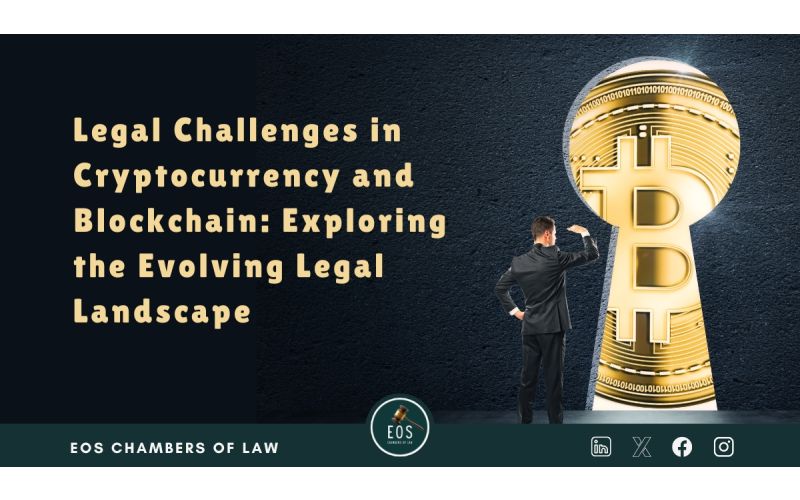
Legal Challenges in Cryptocurrency and Blockchain: Exploring the Evolving Legal Landscape
|
The rise of cryptocurrencies and blockchain technology has revolutionized the financial world, but it has also brought about a series of complex legal challenges. As more businesses and individuals adopt digital currencies and decentralized systems, governments and regulatory bodies are scrambling to create frameworks that ensure security, transparency, and compliance. 🚀💼
Key Legal Challenges in Cryptocurrency:
1️⃣ Regulation and Compliance: Cryptocurrencies operate in a decentralized manner, often outside traditional financial regulations. This creates uncertainty for businesses as they navigate compliance with anti-money laundering (AML) laws, tax regulations, and securities laws. Countries are enacting different approaches, from strict regulations to more lenient frameworks. 🌍🔍
2️⃣ Security and Fraud: The anonymity provided by blockchain and cryptocurrencies can facilitate illegal activities, such as fraud, hacking, and money laundering. This raises questions about how to protect users and ensure accountability while preserving the decentralized nature of the technology. 🔐⚖️
3️⃣ Consumer Protection: As cryptocurrency adoption grows, protecting consumers becomes essential. Users face risks of losing funds due to hacking, scams, and lack of legal recourse. Legal frameworks must be established to ensure consumer rights and protections are safeguarded. 📈🛡️
4️⃣ Smart Contracts and Enforceability: Blockchain-enabled smart contracts automate transactions without intermediaries. However, their legal enforceability is still uncertain in many jurisdictions. How do courts handle disputes arising from code-based agreements? And how should these contracts be regulated to ensure fairness and legality? 🤖💼
5️⃣ Taxation: Taxation is a key issue for individuals and businesses dealing in cryptocurrencies. Determining the tax treatment of crypto transactions, whether as capital gains or income, is a challenge for regulators. As tax authorities around the world seek clarity, businesses must stay updated on their tax obligations. 💵📊
The Role of Blockchain in Legal Transactions:
Blockchain technology itself presents several unique opportunities and challenges for the legal world. Its decentralized, immutable nature offers potential for transparency and efficiency, particularly in areas such as supply chain management, intellectual property, and contracts. However, integrating these benefits into existing legal systems without compromising privacy and control requires careful regulatory development. 🔗📝
The Road Ahead: Navigating Legal Uncertainty:
As the legal landscape for cryptocurrency and blockchain continues to evolve, businesses and individuals involved in these sectors need to be proactive in understanding their obligations. From ensuring regulatory compliance to protecting intellectual property, staying ahead of the curve is crucial. Legal professionals specializing in these areas are increasingly in demand to provide clarity and guidance. ⚖️📑
To navigate the rapidly changing environment of cryptocurrency and blockchain, legal expertise is essential. Whether you're an entrepreneur in the space or a legal professional, staying informed and adaptable will be key to success.
Post Categories
Featured Posts








Latest Posts








Latest Posts

Understanding Section 11: Why Minors Cannot Contract | Know the Law
📘 Can a Minor Enter Into a Contract? ❌ Absolutely Not.As per Section 11 of the Indian Contract Act, 1872, a person must be of the age of majority (i.e., 18 years or 21 in certain guardianship cases) to enter ...

SC refuses to entertain plea for survey of Krishna Janmabhoomi-Shahi Idgah premises
The Supreme Court Friday refused to entertain a plea by 'Shri Krishna Janambhoomi Mukti Nirman Trust' seeking a survey of the Janmabhoomi-Shahi Idgah mosque premises in Mathura to determine whether it was built on a pre-existing Hindu temple. The apex ...
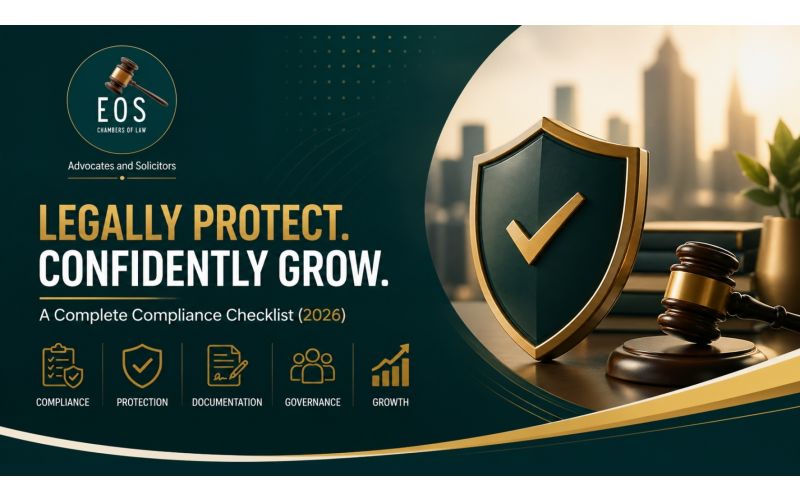
How to Legally Protect Your Business in India: A Complete Compliance Checklist (2026)
In today’s rapidly evolving regulatory environment, running a business in India is not just about growth—it is about staying compliant, protected, and risk-aware. Many businesses face legal challenges not due to intent, but due to lack of structured compliance systems. ...

Won’t interfere with firecracker ban in Delhi: SC
Ahead of the festive season, the Supreme Court on Wednesday said that it would not interfere with a decision of a state government if it decides to impose a complete ban on firecrackers, including green crackers, to check pollution level ...
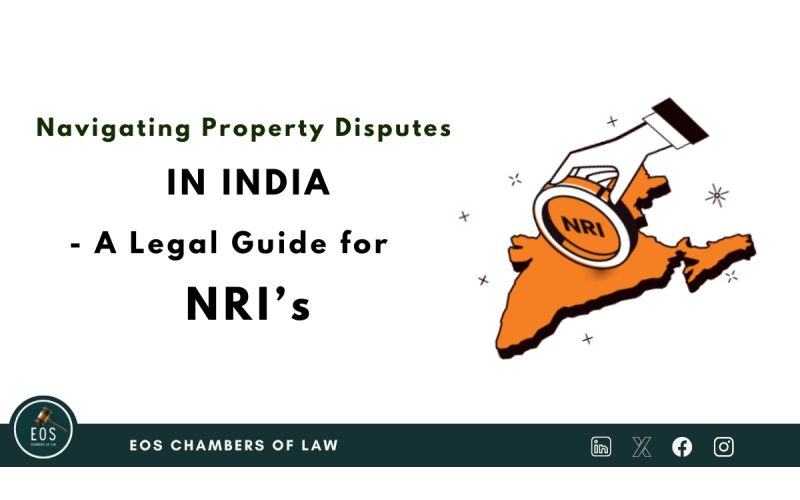
𝐍𝐚𝐯𝐢𝐠𝐚𝐭𝐢𝐧𝐠 𝐏𝐫𝐨𝐩𝐞𝐫𝐭𝐲 𝐃𝐢𝐬𝐩𝐮𝐭𝐞𝐬 𝐢𝐧 𝐈𝐧𝐝𝐢𝐚: 𝐀 𝐋𝐞𝐠𝐚𝐥 𝐆𝐮𝐢𝐝𝐞 𝐟𝐨𝐫 𝐍𝐑𝐈𝐬 🏡
Property disputes can be particularly challenging for Non-Resident Indians (NRIs) who may face issues like illegal possession, inheritance conflicts, and unclear property titles. Managing these disputes from abroad adds further complexity. Here are some essential legal tips for NRIs to ...

No Law Gives Right To Husband To Beat & Torture His Wife: Delhi High Court Grants Divorce To Woman On Ground Of Cruelty And Desertion
Synopsis The court was hearing an appeal by a woman challenging the decision of the trial court, whereby it has dismissed her petition seeking divorce from the man on the ground of cruelty and desertion While granting divorce to a woman ...

Speak With Our
Get a Appointment