
Blog Posts
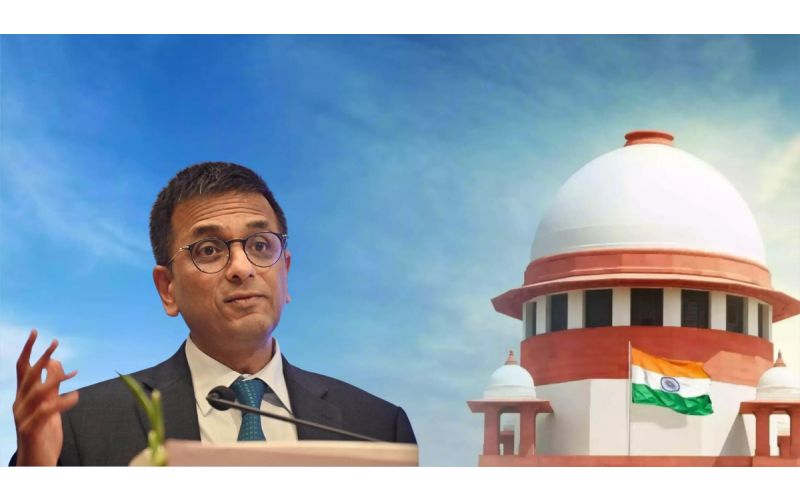
CJI DY Chandrachud Cautions About Artificial Intelligence; Says It Can Make Biased Decisions Based On Societal Prejudices
Chief Justice of India D Y Chandrachudrecently spoke on how no technology is neutral and how it can reflect human values when deployed in the real world. The CJI spoke on how one must ponder the human and societal values ...
Row Over Services: Will Examine If Parliament Can Abrogate Constitutional Principles Of Governance For Delhi, Says Supreme Court
The Supreme Court has said a five-judge constitution bench will examine whether Parliament can “abrogate the constitutional principles of governance” for the Delhi government by making a law to take away its control over services. The Centre recently issued an ...
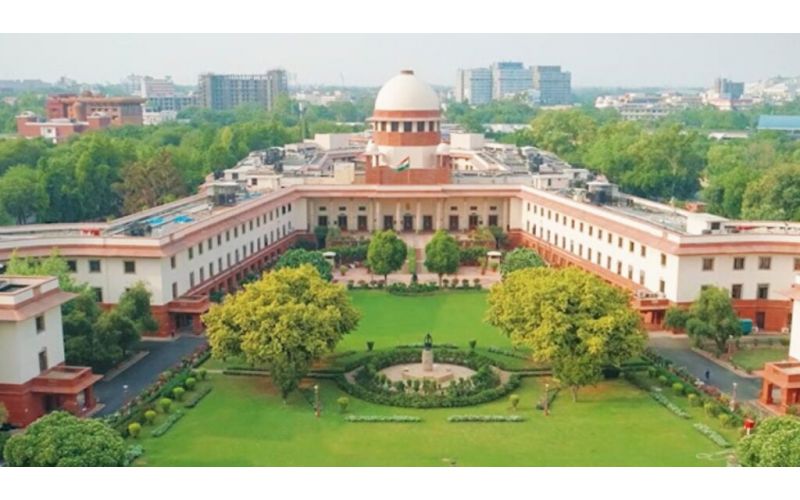
BREAKING| Supreme Court Issues Fresh Guidelines For Senior Designation; Previous Applicants Required To Update Or Submit Fresh Applications
The Supreme Court has issued fresh guidelines for the designation of senior advocates following the May 12 judgment in Indira Jaising vs Supreme Court which modified the criteria for senior designation. The Court has directed that Advocates-on-Record/Advocates who had applied in response ...
Supreme Court Stays High Court Order On Old Pension Scheme For Paramilitary Forces
The Supreme Court on Friday stayed the Delhi High Court judgment which held that the old pension scheme (OPS) will be implemented in the Central Paramilitary Forces (CAPF). During a brief hearing, a bench of Justices Sanjeev Khanna and Bela ...
UPSC CSE: No Interim Relief, Delhi High Court Asks CAT To Expeditiously Decide On Plea To Lower CSAT Cut-Off
The Delhi High Court on Wednesday asked the Central Administrative Tribunal to decide expeditiously the Plea seeking reduction in the cut off from 33% to 23% for qualifying Part II (CSAT) exam of 2023 Civil Services Examination conducted by UPSC ...
Companies Act – Decision To Allot Additional Shares Cannot Be Set Aside Merely Because Promoters Have Also Benefited: Supreme Court
The Supreme Court has upheld the largely disproportionate allotment of rights share in favour of one group of shareholders of a private limited company, substantially increasing its shareholding percentage in the company over other group of shareholders.The bench comprisingJustices K.M. ...
Supreme Court: BCI Rules For Candidate Seeking Enrolment As Advocate To Have Completed Law Course From Recognized College Are Valid
The Supreme Court Friday held as valid the rules framed by the Bar Council of India requiring candidates seeking enrolment as an advocate to have completed their law course from a college recognized by the top Bar body. A vacation ...

An Exegesis On Criminal Offences: A Legal Discourse From The Pinnacle Of The Indian Judiciary
Index: Introduction Understanding Criminal Offences 2.1 Petty Offences 2.2 Cognizable Offences 2.3 Non-Cognizable Offences Consequences of Criminal Offences 3.1 Legal Consequences 3.2 Social and Personal Impact 3.3 Societal Costs Conclusion———————————— Introduction: Criminal offenses encapsulate acts that transgress established laws and regulations, warranting punitive measures imposed ...
Petition Against IIT Eligibility Criteria Of 75% In Class 12 Dismissed
A vacation bench of Justices Sudhanshu Dhulia and K V Vishwanathan said this prerequisite existed earlier as well and it was not inclined to intervene in the matter. New Delhi: The Supreme Court on Monday dismissed a plea challenging the ...
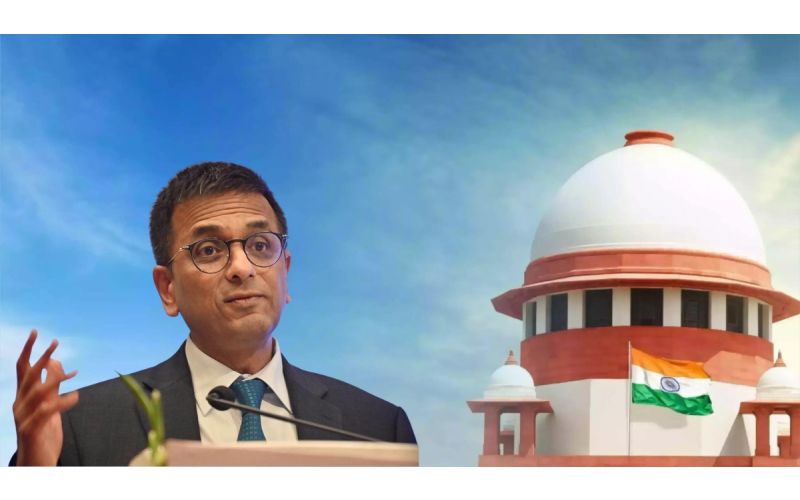
New Training Programme For New Lawyers. By Chief Justice Of India DY CHANDRACHUD 🇮🇳
‘Judges can’t burden lawyers due to uneasiness with technology’: CJI Chandrachud- CJI Chandrachud appealed to judges to continue hybrid hearings, saying that this was not just meant for the Covid-19 pandemic period. Chief Justice of India (CJI) DY Chandrachud on ...
Post Categories
Featured Posts


Latest Posts








Latest Posts

Permanent Establishment (PE) Risk for Foreign Companies in India – 2026 Compliance Alert
Introduction: Why PE Risk Is a Serious Compliance Issue in 2026 India continues to witness heightened scrutiny of foreign companies operating through subsidiaries, employees, consultants, and digital presence. With increased data sharing, GST intelligence, and income-tax investigations, Permanent Establishment (PE) ...
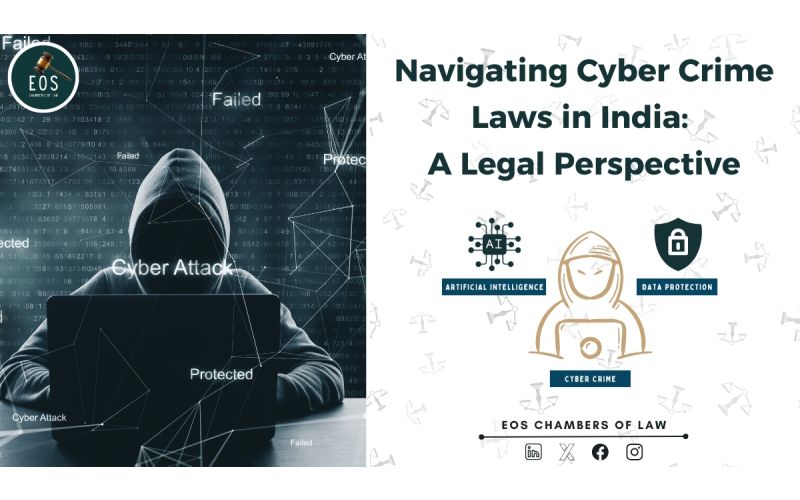
Navigating Cyber Crime Laws in India: A Legal Perspective
The rapid proliferation of digital technologies has transformed India’s social, economic, and professional landscape. While digitalization brings efficiency and innovation, it also exposes individuals and businesses to cybercrime risks. As a lawyer in India, it is crucial to understand the ...
CJI DY Chandrachud Cautions About Artificial Intelligence; Says It Can Make Biased Decisions Based On Societal Prejudices
Chief Justice of India D Y Chandrachudrecently spoke on how no technology is neutral and how it can reflect human values when deployed in the real world. The CJI spoke on how one must ponder the human and societal values ...
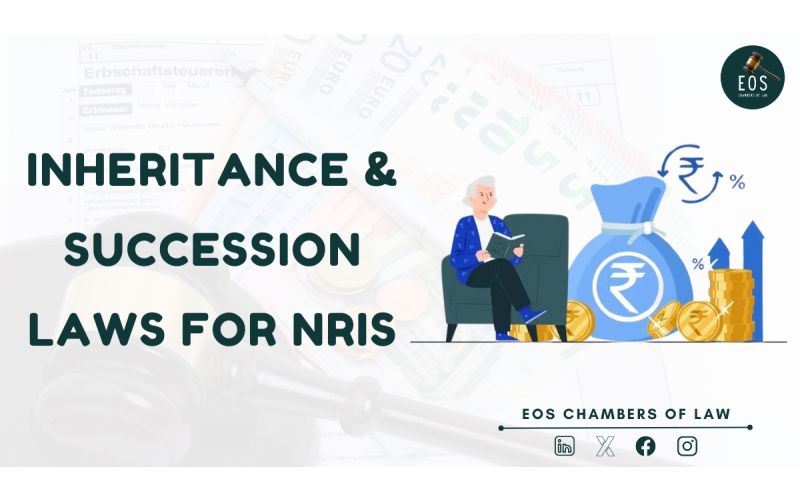
Inheritance and Succession Laws for NRIs
📢 Inheritance and Succession Laws for NRIs Understanding inheritance and succession laws is crucial for Non-Resident Indians (NRIs) to manage their assets and ensure smooth transfer to their heirs. Here's a concise guide to these laws for NRIs, including key ...
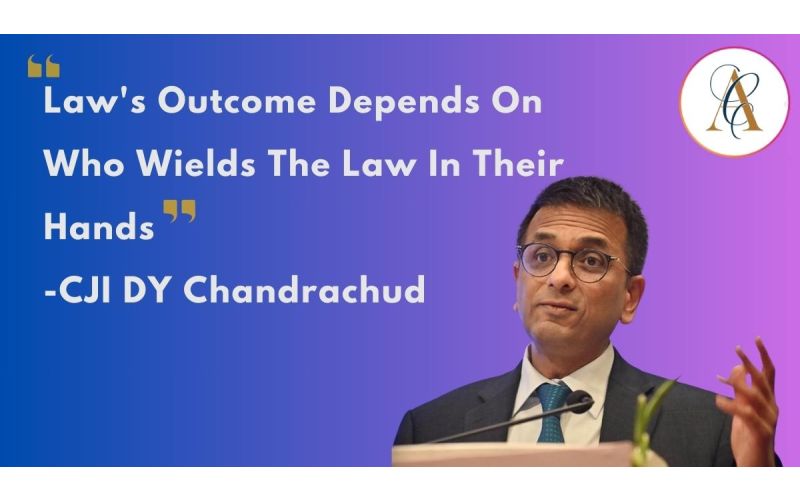
Law's Outcome Depends On Who Wields The Law In Their Hands : CJI DY Chandrachud
Chief Justice of India, DY Chandrachud recently spoke on how justice and the outcome of the law depends on who is wielding the law in their hands. When the law is wielded with compassion, it is capable of producing justice, ...
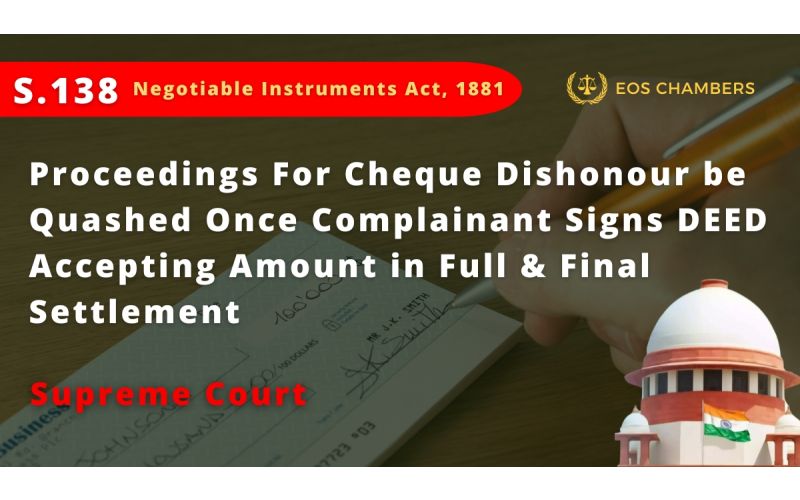
S.138 NI Act | Proceedings For Cheque Dishonour Need To Be Quashed Once Complainant Signs Deed Accepting Amount In Final Settlement : Supreme Court
In a Criminal Appeal arising out of proceedings under Section 138 of the Negotiable Instruments Act, 1881, the Supreme Court has ruled that once the settlement has been arrived at and the complainant has signed the deed, the proceedings under ...

Speak With Our
Get a Appointment