The Supreme Court ruled that Aadhaar, the ambitious public scheme that uses biometric data to generate unique identification numbers for citizens, is constitutionally valid, but with conditions. Here are the key takeaways from today’s verdict.

SC On Aadhaar: Important Takeaways From The Recent Verdict
Post Categories
Featured Posts




Latest Posts








Latest Posts

NRI Divorce and Child Custody Rights in India: What You Must Know
When NRIs (Non-Resident Indians) go through a divorce involving children, legal rights around custody, visitation, and jurisdiction often become complex. Key Points: Jurisdiction Matters: If the marriage was registered in India or the couple last lived here, Indian courts can ...

𝐋𝐞𝐠𝐚𝐥 𝐄𝐭𝐡𝐢𝐜𝐬 & 𝐏𝐫𝐨𝐟𝐞𝐬𝐬𝐢𝐨𝐧𝐚𝐥𝐢𝐬𝐦: 𝐁𝐮𝐢𝐥𝐝𝐢𝐧𝐠 𝐓𝐫𝐮𝐬𝐭 𝐢𝐧 𝐭𝐡𝐞 𝐋𝐞𝐠𝐚𝐥 𝐈𝐧𝐝𝐮𝐬𝐭𝐫𝐲
🔹 𝑰𝒏𝒕𝒆𝒈𝒓𝒊𝒕𝒚. 𝑨𝒄𝒄𝒐𝒖𝒏𝒕𝒂𝒃𝒊𝒍𝒊𝒕𝒚. 𝑪𝒐𝒏𝒇𝒊𝒅𝒆𝒏𝒕𝒊𝒂𝒍𝒊𝒕𝒚. These pillars define a true legal professional. But in today’s fast-paced legal landscape, how do we maintain them? ✔ 𝑼𝒑𝒉𝒐𝒍𝒅𝒊𝒏𝒈 𝑪𝒍𝒊𝒆𝒏𝒕 𝑪𝒐𝒏𝒇𝒊𝒅𝒆𝒏𝒕𝒊𝒂𝒍𝒊𝒕𝒚: A lawyer’s duty is to protect sensitive information—breaching it damages trust. ✔ 𝑨𝒗𝒐𝒊𝒅𝒊𝒏𝒈 ...
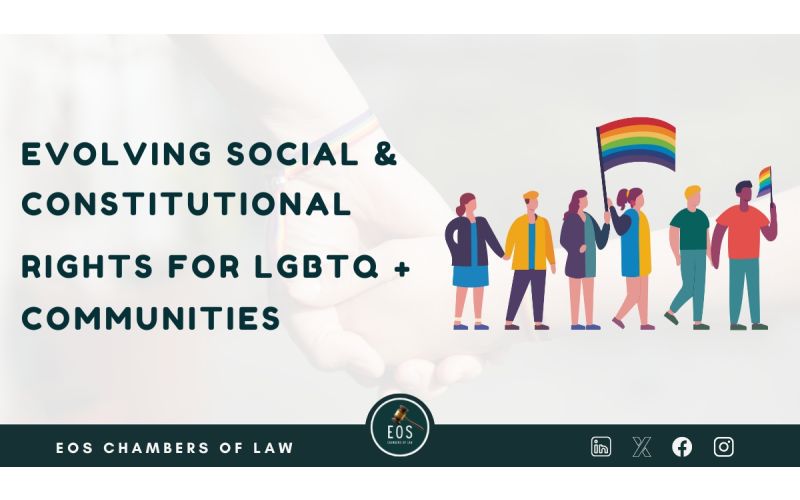
Evolving Social and Constitutional Rights for LGBTQ+ Communities
The journey toward equality for LGBTQ+ communities in India has been marked by significant legal and social milestones. From the decriminalization of same-sex relationships to ongoing debates about marriage equality and adoption rights, the evolution of LGBTQ+ rights reflects the ...
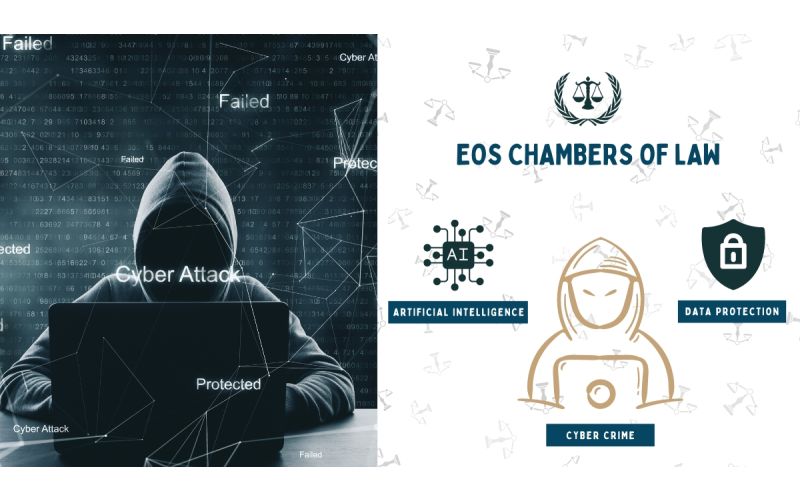
AI, Data Protection, and Cyber crime: Navigating Through the Nexus
It was the dawn of the Digital Revolution in the latter half of 20th century that started to reshape the world. But with the advent of AI, data protection, and cybersecurity have become paramount concerns for individuals, businesses, and governments ...
Supreme Court: BCI Rules For Candidate Seeking Enrolment As Advocate To Have Completed Law Course From Recognized College Are Valid
The Supreme Court Friday held as valid the rules framed by the Bar Council of India requiring candidates seeking enrolment as an advocate to have completed their law course from a college recognized by the top Bar body. A vacation ...
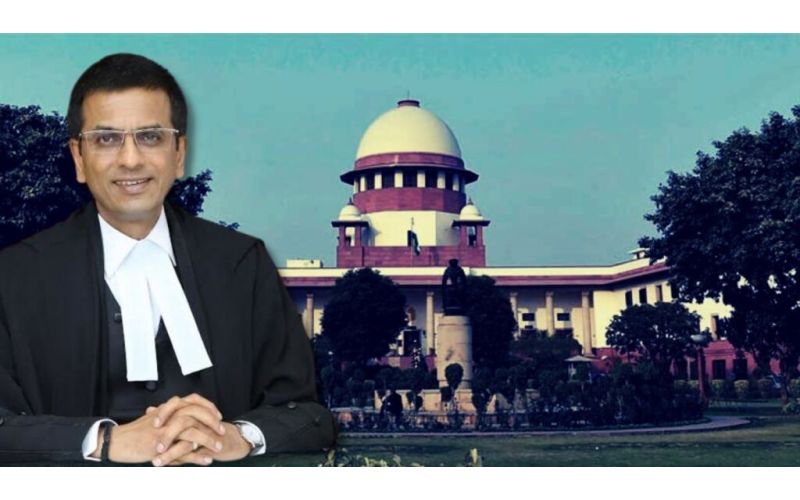
CJI Chandrachud Bats For Mediation As Dispute Resolution Mechanism For Individuals, Govt
NEW DELHI: Chief Justice of India DY Chandrachud batted on Friday for adopting and encouraging mediation, including online mediation, as a mode of dispute resolution other than litigation, saying it would reduce the courts’ caseload and has the potential to ...

Speak With Our
Get a Appointment