
Blog Posts

Indian Penal Code
The Indian Penal Code (IPC) is the official criminal code of India. It is a comprehensive code intended to cover all substantive aspects of criminal law. The code was drafted on the recommendations of the first law commission of India ...
Post Categories
Featured Posts







Latest Posts








Latest Posts
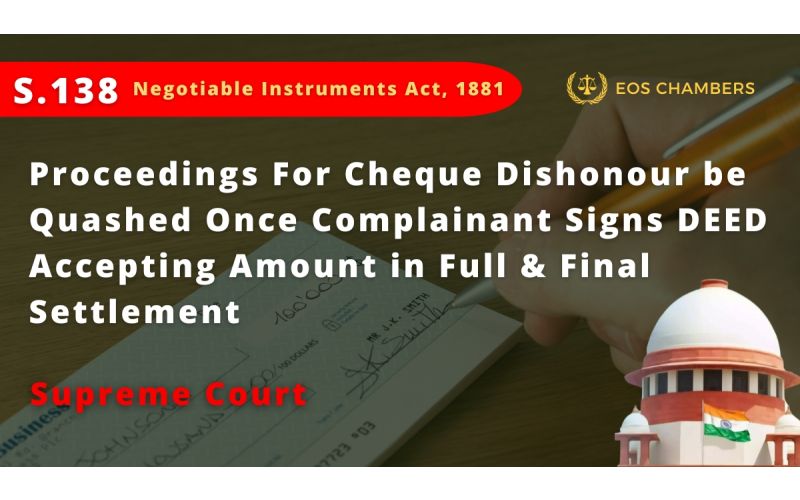
S.138 NI Act | Proceedings For Cheque Dishonour Need To Be Quashed Once Complainant Signs Deed Accepting Amount In Final Settlement : Supreme Court
In a Criminal Appeal arising out of proceedings under Section 138 of the Negotiable Instruments Act, 1881, the Supreme Court has ruled that once the settlement has been arrived at and the complainant has signed the deed, the proceedings under ...
Supreme Court Notice To Airlines, Regulator Over Pee-Gate Victim’s Petition
New Delhi: The Supreme Court Monday agreed to examine the plea of a 72-year-old woman, on whom a male co-passenger allegedly urinated on board an Air India flight in November last year, seeking a direction to the Centre, aviation regulator DGCA ...
Punjab & Haryana High Court Issues Guidelines To Check Unnecessary Arrests; Non-Compliance Will Lead To Departmental Enquiry, Contempt Action
The Punjab & Haryana High Court has issued guidelines in compliance with the Supreme Court directions in Md. Asfak Alam v. State of Jharkhand & Anr. to ensure that police officers do not make unnecessary arrests and that Magistrates do ...

Adolescent Privacy Rights: A Critical Issue in India’s Evolving Digital Landscape
The rapid advancement of technology has transformed the lives of adolescents in India, providing unprecedented access to information, social connectivity, and learning tools. However, this digital revolution has also created a complex challenge—safeguarding the privacy of adolescents who are increasingly ...
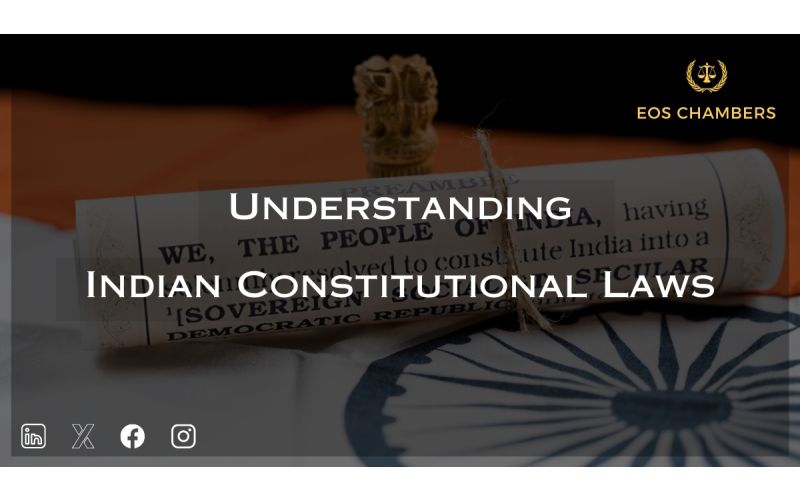
Understanding Indian Constitutional Laws: A Brief Overview
Introduction: Indian Constitutional Law is the backbone of the country's legal system, laying down the framework for governance, rights, and duties of citizens, and the functioning of various institutions. Enshrined in the Constitution of India, adopted on January 26, 1950, ...
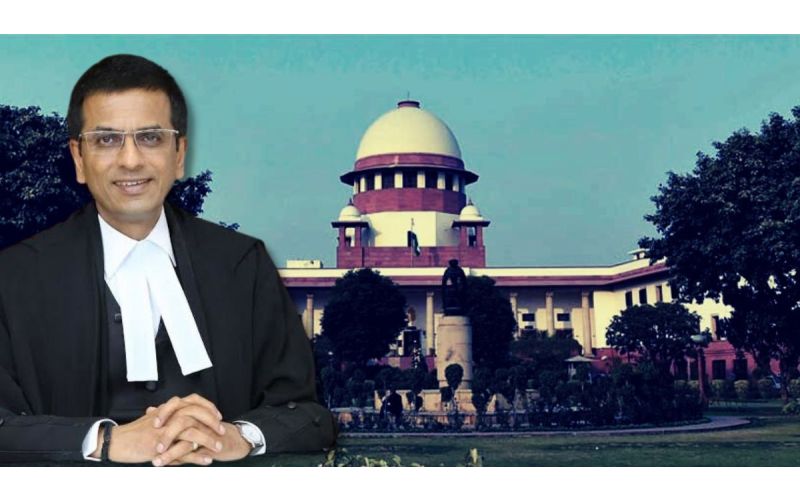
Can’t Seek Immunity From Legal Provisions Because Contract In President’s Name: SC
Defending the Centre, ASG argued that the contract in the case stands on a different footing as it is entered into in the name of the President.The Union of India cannot demand an immunity from the operation of pertinent legal ...

Speak With Our
Get a Appointment