
Post: Supreme Court Sides With Madras HC: Person Forwarding
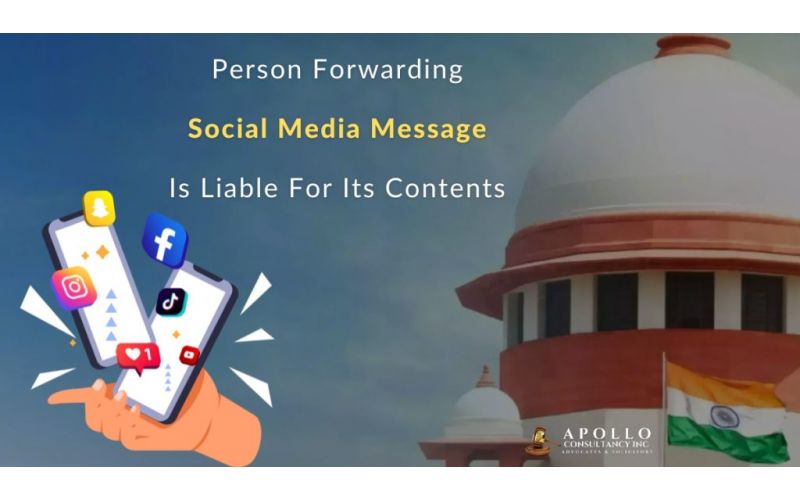
Supreme Court Sides With Madras HC: Person Forwarding Social Media Messages Liable For Contents
|
Fri, 15-Sep-2023 05:12
The Madras High Court had noted that Shekher was a person of high stature and had many followers. It stated that he should have exercised more caution when forwarding messages.
The Supreme Court refused to entertain an appeal challenging Madras High Court’s order that stated that individuals forwarding messages on social media are liable for its contents. The order was in connection with a batch of criminal proceedings against BJP politician S Ve Shekher for his remarks against women journalists. He had allegedly forwarded derogatory comments on his Facebook account in 2018.
The Madras High Court had noted that Shekher was a person of high stature and had many followers. It stated that he should have exercised more caution when forwarding messages, according to a report in LiveLaw.
Shekher argued that he forwarded the message without reading it, but removed it later on. He also offered apologies. The high court stated that that does not help Shekher from facing the consequences.
It must be construed that the person who sent the message acknowledged its contents, the court said. If the person forwarding the messages got a dopamine high then he or she should be ready to face the consequences too.
Shekher argued that he forwarded the message without reading it, but removed it later on. He also offered apologies. The high court stated that that does not help Shekher from facing the consequences.
It must be construed that the person who sent the message acknowledged its contents, the court said. If the person forwarding the messages got a dopamine high then he or she should be ready to face the consequences too.
Post Categories
Featured Posts





Latest Posts








Latest Posts

Legal Ethics & Professionalism: Building Trust in the Legal Industry
🔹 Integrity. Accountability. Confidentiality. These pillars define a true legal professional. But in today’s fast-paced legal landscape, how do we maintain them? ✔ Upholding Client Confidentiality: A lawyer’s duty is to protect sensitive information—breaching it damages trust.✔ Avoiding Conflicts of ...
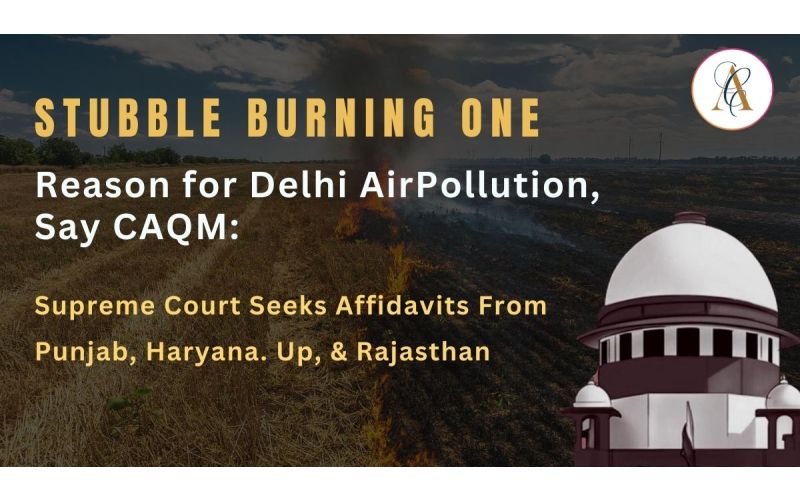
Stubble Burning One Reason For Delhi Air Pollution, Says CAQM; Supreme Court Seeks Affidavits From Punjab, Haryana, UP, Rajasthan
The Supreme Court on Tuesday (October 31) asked the Governments of Punjab, Haryana, Uttar Pradesh, Rajasthan and Delhi to file affidavits setting forth the steps they have taken to control air pollution including the measures to curb crop burning. This ...

UAPA| Terrorism Cases Not To Be Taken Lightly: Supreme Court Sets Aside Default Bail
In a case pertaining to grant of default bail to a person accused under the Unlawful Activities (Prevention) Act, 1967 (“UAPA”), the Supreme Court yesterday allowed an appeal filed by the Delhi police, observing that the High Court fell in ...
AI, Data Protection, and Cyber crime: Navigating Through the Nexus
It was the dawn of the Digital Revolution in the latter half of 20th century that started to reshape the world. But with the advent of AI, data protection, and cybersecurity have become paramount concerns for individuals, businesses, and governments ...

Estate Planning and Succession Laws for NRIs: A Comprehensive Guide
Estate Planning and Succession Laws for NRIs: A Comprehensive Guide Estate planning is not just a necessity; it's a critical step in securing your family’s future, ensuring the seamless transfer of assets, and minimizing legal complications. For Non-Resident Indians (NRIs), ...
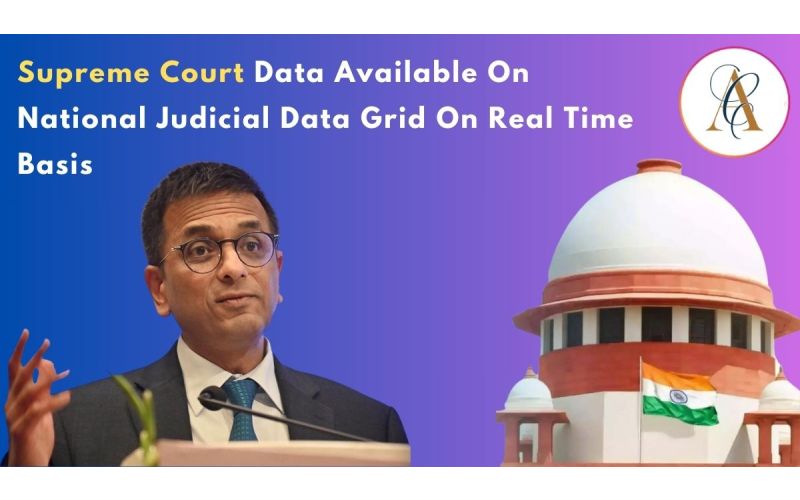
In A First, Supreme Court Data Available On National Judicial Data Grid On Real Time Basis; Boost For Transparency, Says CJI DY Chandrachud
Chief Justice of India DY Chandrachud announced today that the Supreme Court is officially 'onboard' with the National Judicial Data Grid (NJDG) now. The CJI described the onboarding of the Supreme Court data on NJDG portal under the court's 'open ...

Speak With Our
Get a Appointment