Article 32 of the Constitution gives individuals the right to approach the Supreme Court if they feel their fundamental rights have been violated.
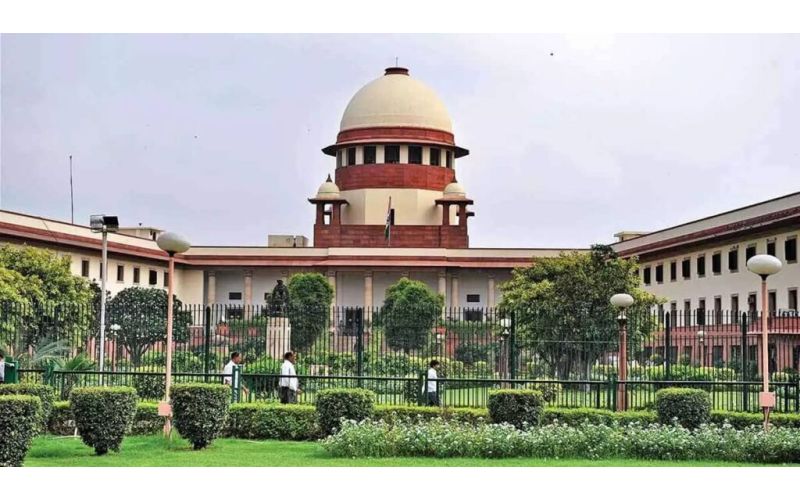
Supreme Court on Tuesday deprecated the trend of the accused in money laundering cases using Article 32 petitions to challenge a summons or seek bail under the guise of calling into question the provisions of the Prevention of Money Laundering Act (PMLA).
A vacation bench of Justices Bela M Trivedi and Prashant Kumar Mishra, said filing such petitions challenging an Act, and in the process seeking consequential reliefs, amounts to bypassing other available legal remedies.
“The court is constrained to observe that despite the Vijay Madanlal judgment there is a trend prevailing in writ petitions filed before this Court under Article 32 challenging the constitutional validity of Sections 15 and 63 and other provisions of the PMLA, which has been decided finally, and then seek consequential relief. These reliefs are bypassing other forums which are open to the petitioners,” the bench said.
The apex court had in the Madanlal judgement upheld the Enforcement Directorate’s powers related to arrest, attachment of property involved in money laundering, search and seize under the Prevention of Money Laundering Act.
Article 32 of the Constitution gives individuals the right to approach the Supreme Court if they feel their fundamental rights have been violated.
The apex court’s observations came while hearing a batch of petitions filed by people facing probe in the alleged liquor scam case in Chhattisgarh.
Solicitor General Tushar Mehta, appearing for the Enforcement Directorate (ED), raised serious objections about the maintainability of the pleas.
The government law officer pressed for some observations made by the court against such pleas to be recorded in the order.
Mehta said there is a new trend to file a petition challenging the constitutionality of a law and then get a no coercive action order, which is actually an anticipatory bail.
“This must be deprecated in no uncertain terms. People are being approached that instead of asking for anticipatory bail challenge the vires of the legislation. There needs to be some observation (in the order),” the SG said.
Additional Solicitor General SV Raju echoed Mehta’s submission and said the practice of approaching the top court with such repetitive pleas needs to stop.
The comments from the law officers came after senior advocate Abhishek Singhvi, appearing for one of the petitioners, sought permission to withdraw the plea with liberty to move the high court for bail.
The bench remarked the apex court is becoming an alternative forum. Instead of going to the high court and challenging the provisions of the law there, the accused were contesting the summons in the Supreme Court, it said…
Source