
Navigating the Complexities of Corporate & Commercial Laws:

Navigating the Complexities of Corporate & Commercial Laws: Key Considerations for Businesses
|
In today's dynamic business landscape, understanding and complying with corporate and commercial laws are paramount for organizations aiming to thrive and expand. From formation and governance to contractual relationships and regulatory compliance, adherence to legal frameworks is essential for maintaining integrity, mitigating risks, and fostering sustainable growth.
The Foundation of Corporate Governance
Corporate governance serves as the cornerstone of effective management and oversight within organizations. It encompasses the structure, processes, and policies that guide decision-making and ensure accountability to stakeholders. Compliance with corporate governance principles not only enhances transparency and investor confidence but also helps mitigate legal and reputational risks.
Key components of corporate governance include:
-
Board Structure and Composition: Establishing a diverse and independent board of directors with a blend of industry expertise and strategic vision is crucial for effective oversight and decision-making.
-
Ethical Standards and Codes of Conduct: Implementing robust ethical standards and codes of conduct promotes integrity, honesty, and accountability throughout the organization, fostering a culture of compliance and responsible business practices.
-
Risk Management and Internal Controls: Developing comprehensive risk management frameworks and internal control mechanisms enables organizations to identify, assess, and mitigate risks effectively, safeguarding assets and enhancing operational resilience.
Commercial Contracts and Transactions
Navigating the intricacies of commercial contracts and transactions requires a nuanced understanding of contractual principles, negotiation strategies, and legal considerations. From procurement agreements and licensing arrangements to mergers and acquisitions, contractual relationships play a pivotal role in facilitating business operations and driving growth.
Key aspects of commercial contracts and transactions include:
-
Contract Formation and Negotiation: Drafting clear, comprehensive contracts tailored to the specific needs and objectives of the parties involved is essential for minimizing disputes and ensuring enforceability. Effective negotiation strategies can help parties achieve mutually beneficial outcomes while mitigating risks and preserving relationships.
-
Intellectual Property Protection: Safeguarding intellectual property rights through trademarks, patents, and copyrights is vital for protecting innovations, brand identity, and competitive advantage in the marketplace. Proper due diligence and contractual provisions can help mitigate infringement risks and ensure compliance with intellectual property laws.
-
Compliance and Regulatory Considerations: Remaining abreast of regulatory requirements and industry standards is critical for ensuring compliance with applicable laws and regulations governing commercial transactions. Proactive risk assessment and compliance measures can help mitigate legal exposure and reputational damage.
Adapting to Regulatory Changes and Emerging Trends
In an era of rapid technological advancements and evolving regulatory landscapes, businesses must remain agile and proactive in adapting to regulatory changes and emerging trends. Whether it's data privacy regulations, environmental sustainability initiatives, or corporate social responsibility mandates, staying ahead of the curve is essential for maintaining competitiveness and driving innovation.
Key strategies for adapting to regulatory changes and emerging trends include:
-
Continuous Monitoring and Assessment: Regularly monitor regulatory developments, industry trends, and emerging best practices to identify potential implications for your business operations and strategic initiatives.
-
Engagement with Legal Counsel and Industry Experts: Collaborate with legal counsel and industry experts to gain insights into regulatory requirements, assess compliance risks, and develop proactive strategies for mitigating legal exposure and seizing opportunities.
-
Investment in Training and Education: Invest in ongoing training and education programs to equip employees with the knowledge and skills needed to navigate complex regulatory environments effectively and uphold legal and ethical standards in their day-to-day activities.
Conclusion
In conclusion, corporate and commercial laws form the bedrock of modern business practices, providing the framework for governance, transactions, and regulatory compliance. By embracing legal best practices, fostering a culture of integrity and compliance, and staying abreast of regulatory developments and emerging trends, businesses can navigate the complexities of corporate and commercial laws with confidence, resilience, and agility, positioning themselves for long-term success and sustainability in today's dynamic business environment.
Post Categories
Featured Posts








Latest Posts








Latest Posts

Transgender Persons Can Avail Of Already Earmarked Reservations, The Centre Tells : Supreme Court
The Centre has informed the Supreme Court that transgender persons can avail the already earmarked reservations in jobs and educational admissions and there is no separate reservation being provided to them. In 2014, the top court directed the Centre and ...

No Law Gives Right To Husband To Beat & Torture His Wife: Delhi High Court Grants Divorce To Woman On Ground Of Cruelty And Desertion
Synopsis The court was hearing an appeal by a woman challenging the decision of the trial court, whereby it has dismissed her petition seeking divorce from the man on the ground of cruelty and desertion While granting divorce to a woman ...

In A First, Supreme Court Data Available On National Judicial Data Grid On Real Time Basis; Boost For Transparency, Says CJI DY Chandrachud
Chief Justice of India DY Chandrachud announced today that the Supreme Court is officially 'onboard' with the National Judicial Data Grid (NJDG) now. The CJI described the onboarding of the Supreme Court data on NJDG portal under the court's 'open ...

Petition Against IIT Eligibility Criteria Of 75% In Class 12 Dismissed
A vacation bench of Justices Sudhanshu Dhulia and K V Vishwanathan said this prerequisite existed earlier as well and it was not inclined to intervene in the matter. New Delhi: The Supreme Court on Monday dismissed a plea challenging the ...
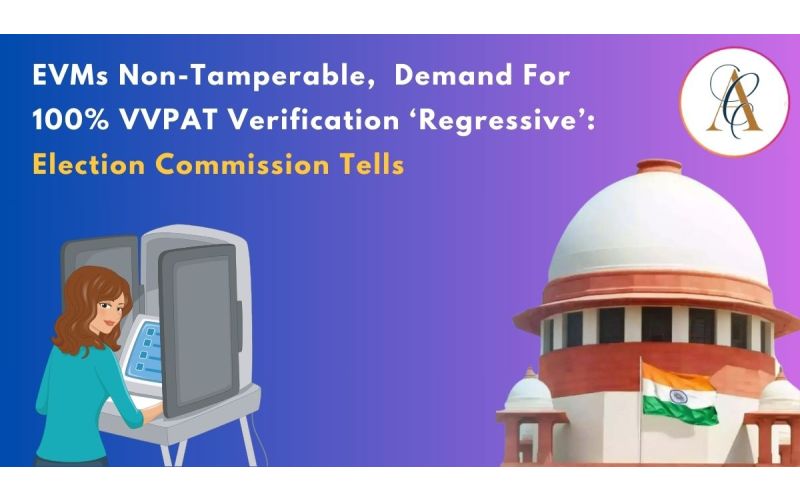
Supreme Court Dismisses PIL Seeking Independent Audit Of EVM Source Codes
The Supreme Court on Friday refused to entertain a Public Interest Litigation (PIL) seeking an independent audit of source codes of Electronic Voting Machines (EVMs). The bench comprising CJI DY Chandrachud, Justice JB Pardiwala, and Justice Manoj Misra noted that ...
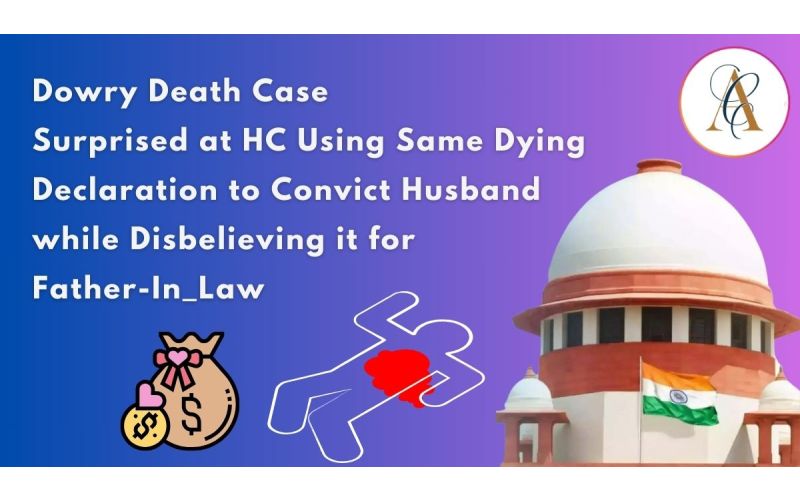
Dowry Death Case | Supreme Court Surprised At HC Using Same Dying Declaration To Convict Husband While Disbelieving It For Father-in-Law
The Supreme Court, while acquitting a convict in a dowry death case, emphasized the critical importance of ensuring that a dying declaration is trustworthy and reliable, and inspires confidence when it is considered the sole basis for a criminal conviction. ...

Speak With Our
Get a Appointment