Property disputes can be particularly challenging for Non-Resident Indians (NRIs) who may face issues like illegal possession, inheritance conflicts, and unclear property titles. Managing these disputes from abroad adds further complexity. Here are some essential legal tips for NRIs to navigate property disputes in India effectively:
1. 𝐂𝐥𝐞𝐚𝐫 𝐃𝐨𝐜𝐮𝐦𝐞𝐧𝐭𝐚𝐭𝐢𝐨𝐧: Ensure all property documents, including title deeds, sale agreements, and tax receipts, are up-to-date and verified. Always retain copies for easy access.
2. 𝐏𝐨𝐰𝐞𝐫 𝐨𝐟 𝐀𝐭𝐭𝐨𝐫𝐧𝐞𝐲 (𝐏𝐨𝐀): Granting a trusted person PoA can help manage property issues in your absence. However, ensure the PoA clearly defines the authority to prevent misuse.
3. 𝐏𝐫𝐨𝐩𝐞𝐫𝐭𝐲 𝐕𝐞𝐫𝐢𝐟𝐢𝐜𝐚𝐭𝐢𝐨𝐧: Before purchasing property, NRIs should conduct thorough due diligence. Verify ownership, check for encumbrances, and ensure that the property complies with local land laws.
4. 𝐋𝐞𝐠𝐚𝐥 𝐇𝐞𝐢𝐫 𝐂𝐞𝐫𝐭𝐢𝐟𝐢𝐜𝐚𝐭𝐢𝐨𝐧: For inherited property, obtain a legal heir certificate and ensure succession documents are in order. Having a registered will can prevent family disputes.
5. 𝐐𝐮𝐢𝐜𝐤 𝐋𝐞𝐠𝐚𝐥 𝐀𝐜𝐭𝐢𝐨𝐧: In case of illegal possession, trespassing, or fraud, act swiftly by filing a legal suit or police complaint. Delays can weaken your legal standing.
Property management in India can be tricky for NRIs, but staying informed and taking proactive steps can help safeguard your rights and assets. For expert legal assistance, seek advice from professionals familiar with NRI property issues.

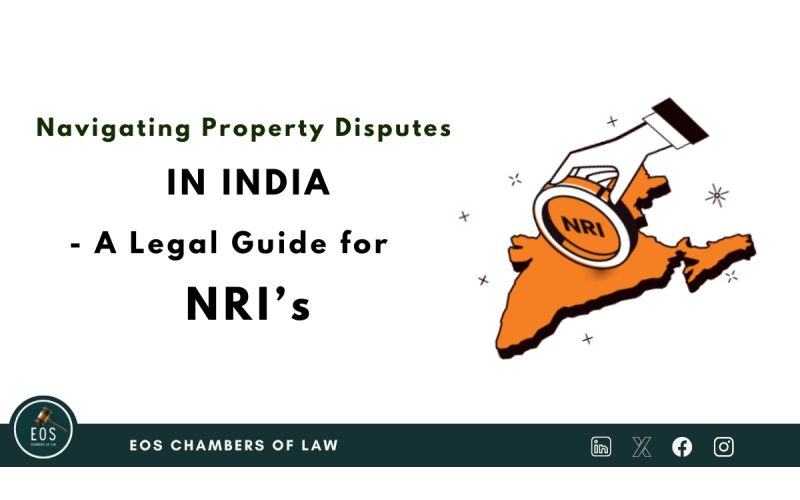
𝐍𝐚𝐯𝐢𝐠𝐚𝐭𝐢𝐧𝐠 𝐏𝐫𝐨𝐩𝐞𝐫𝐭𝐲 𝐃𝐢𝐬𝐩𝐮𝐭𝐞𝐬 𝐢𝐧 𝐈𝐧𝐝𝐢𝐚: 𝐀 𝐋𝐞𝐠𝐚𝐥 𝐆𝐮𝐢𝐝𝐞 𝐟𝐨𝐫 𝐍𝐑𝐈𝐬 🏡





Post Categories
Featured Posts







Latest Posts








Latest Posts
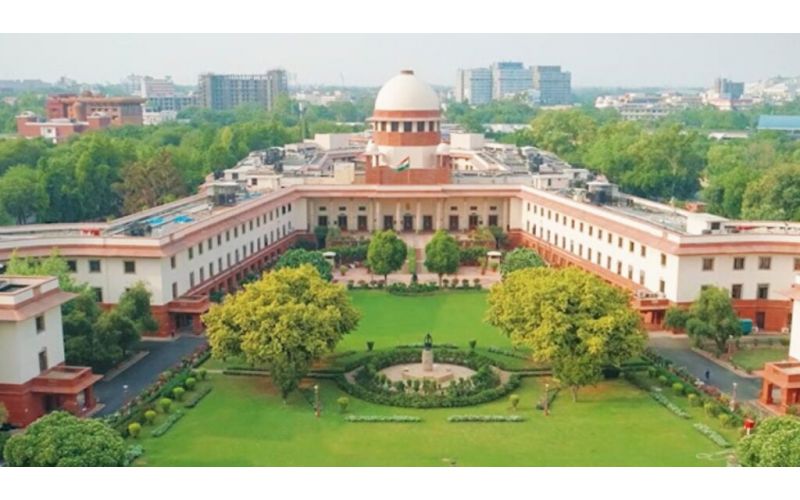
BREAKING| Supreme Court Issues Fresh Guidelines For Senior Designation; Previous Applicants Required To Update Or Submit Fresh Applications
The Supreme Court has issued fresh guidelines for the designation of senior advocates following the May 12 judgment in Indira Jaising vs Supreme Court which modified the criteria for senior designation. The Court has directed that Advocates-on-Record/Advocates who had applied in response ...

SC Issues Notice On PIL Seeking Action Against Doctors Who Do Not Prescribe Generic Medicines
The plea said that affordability of medicines is a vital factor that contributes to effective healthcare delivery and the realization of the ‘right to health’ The Supreme Court on Friday issued notice on a PIL seeking disciplinary actions against doctors ...
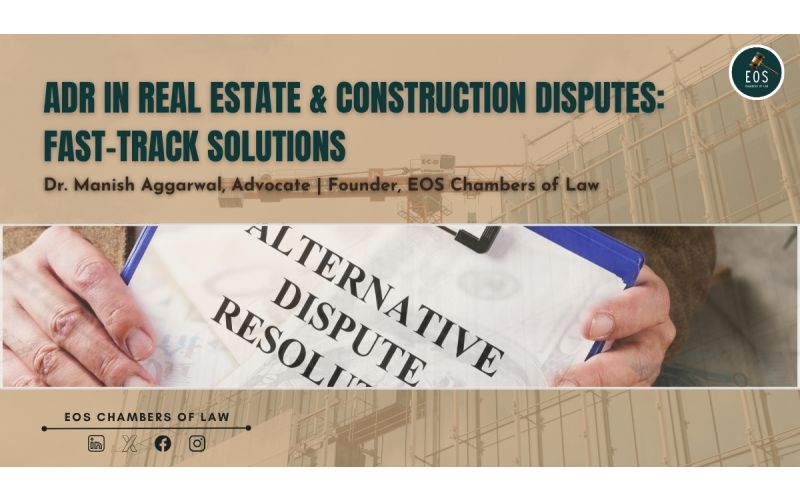
ADR in Real Estate & Construction Disputes | Fast-Track Legal Solutions
The real estate and construction sector in India is one of the fastest-growing industries, but it is also one of the most dispute-prone. Delays in possession, payment disputes, contractor disagreements, quality issues, and non-compliance with project timelines often lead to ...
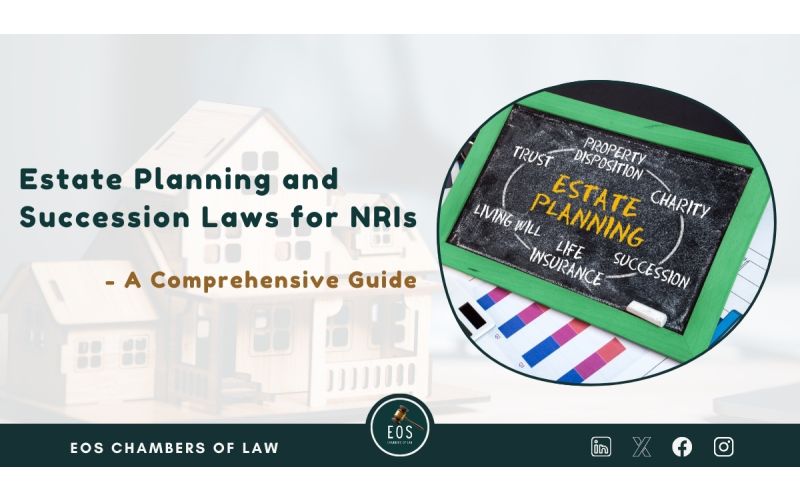
Estate Planning and Succession Laws for NRIs: A Comprehensive Guide
Estate Planning and Succession Laws for NRIs: A Comprehensive Guide Estate planning is not just a necessity; it's a critical step in securing your family’s future, ensuring the seamless transfer of assets, and minimizing legal complications. For Non-Resident Indians (NRIs), ...
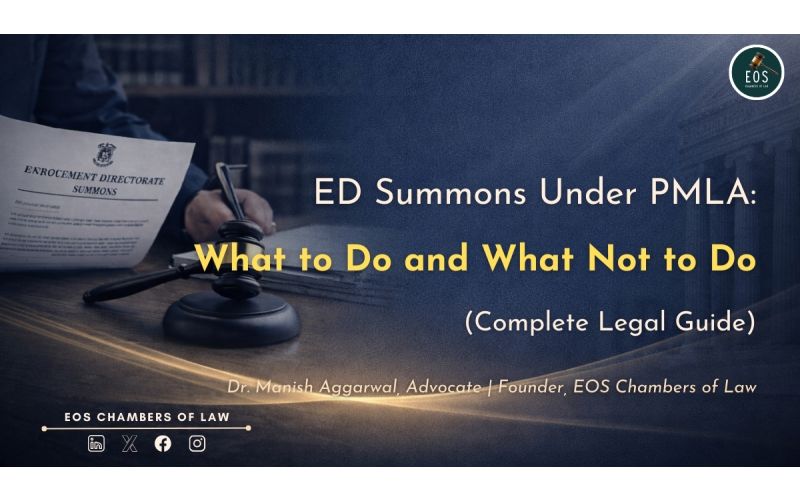
ED Summons Under PMLA: What to Do and What Not to Do (Complete Legal Guide)
Receiving a summons from the Enforcement Directorate (ED) under the Prevention of Money Laundering Act, 2002 (PMLA) can be intimidating. For many individuals—business owners, directors, promoters, professionals, or even family members—an ED summons creates panic, confusion, and fear of arrest. ...
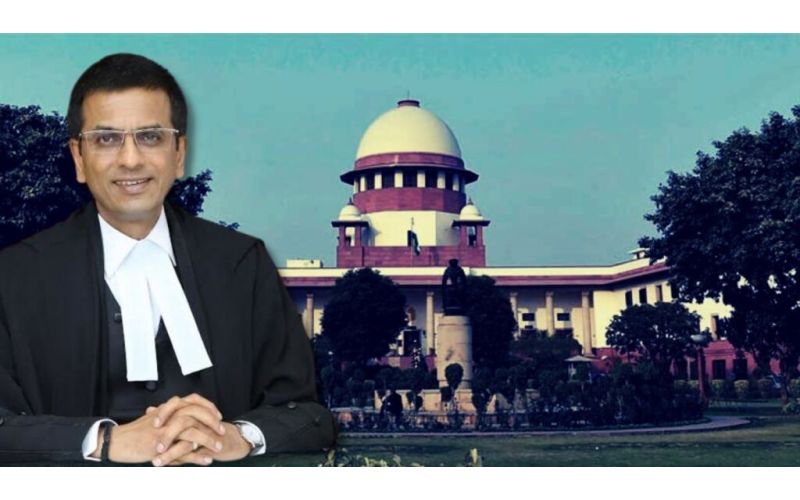
CJI Chandrachud Bats For Mediation As Dispute Resolution Mechanism For Individuals, Govt
NEW DELHI: Chief Justice of India DY Chandrachud batted on Friday for adopting and encouraging mediation, including online mediation, as a mode of dispute resolution other than litigation, saying it would reduce the courts’ caseload and has the potential to ...

Speak With Our
Get a Appointment