
Inheritance and Succession Laws: What Every NRI Should Know
Inheritance and Succession Laws: What Every NRI Should Know
|
For Non-Resident Indians (NRIs), navigating inheritance and succession laws in India can be complex. Whether dealing with ancestral property, inheriting assets, or managing family estates, NRIs must understand the legal framework to safeguard their rights and avoid disputes. Here are some key insights:
- Legal Heir Certificate: To claim inherited property, NRIs must obtain a legal heir certificate from Indian authorities. This document proves your legal right to the property as a rightful heir.
- Wills and Probate: If the deceased left a will, it must be probated through the Indian courts. NRIs should ensure the will is registered and up-to-date to avoid lengthy legal battles.
- Succession Laws: Hindu, Muslim, Christian, and other religious communities follow different succession laws in India. Understanding which law applies to your case is essential for a smooth transfer of assets.
- Tax Implications: Inherited property may have tax implications for NRIs, especially when selling or repatriating the proceeds. Understanding capital gains tax and repatriation rules can prevent future legal complications.
- Avoiding Family Disputes: Clear and comprehensive documentation, along with regular communication among family members, can help avoid property disputes and ensure a smooth inheritance process.
NRIs dealing with inheritance and succession matters in India should seek professional legal advice to ensure compliance and protect their interests. Taking proactive steps can make the process smoother and prevent future conflicts.
Post Categories
Featured Posts








Latest Posts








Latest Posts
Motor Accident Claims | No Right To Recovery For Insurer Merely Because Vehicle Owner Didn't Verify Driver's License : Supreme Court
The Supreme Court on Monday (30th October) held that an insurance company cannot claim that it is not liable to pay compensation in a motor vehicle accident claim just because the vehicle owner did not verify the genuineness of the ...
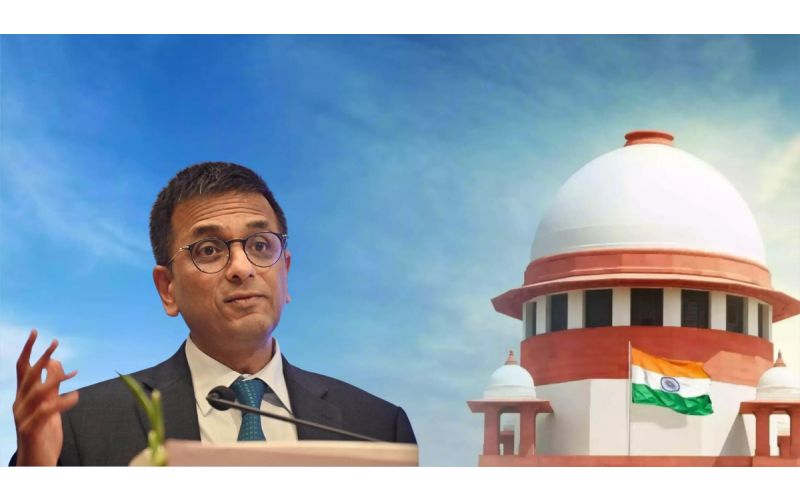
CJI DY Chandrachud Cautions About Artificial Intelligence; Says It Can Make Biased Decisions Based On Societal Prejudices
Chief Justice of India D Y Chandrachudrecently spoke on how no technology is neutral and how it can reflect human values when deployed in the real world. The CJI spoke on how one must ponder the human and societal values ...
Adolescent Privacy Rights: A Critical Issue in India’s Evolving Digital Landscape
The rapid advancement of technology has transformed the lives of adolescents in India, providing unprecedented access to information, social connectivity, and learning tools. However, this digital revolution has also created a complex challenge—safeguarding the privacy of adolescents who are increasingly ...
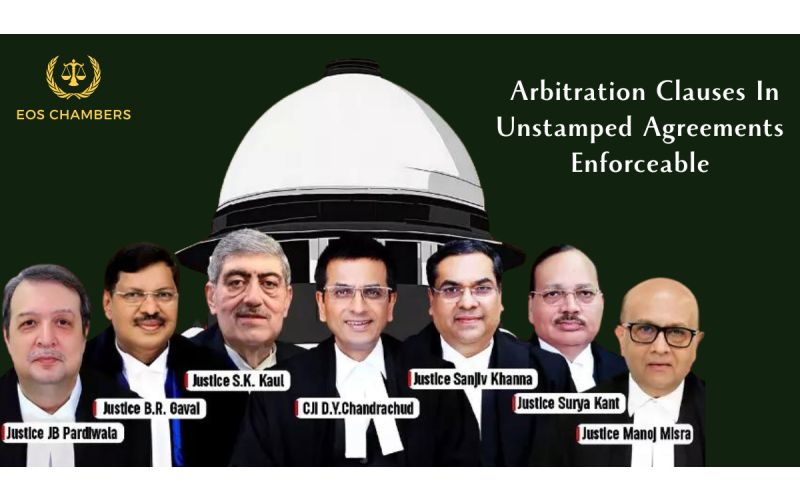
BREAKING | Arbitration Clauses In Unstamped Agreements Enforceable : Supreme Court 7-Judge Bench Overrules 'NN Global' Decision
A seven-judge bench of the Supreme Court on Wednesday (December 13) ruled that arbitration clauses in unstamped or inadequately stamped agreements are enforceable. Insufficiency of stamping does not make the agreement void or unenforceable but makes it inadmissible in evidence. ...
What Should You Do if a False Criminal Case or FIR is Filed Against You in India?
What should you do if you suddenly discover that a criminal case or FIR has been filed against you based on false allegations? Unfortunately, misuse of criminal law to settle personal disputes, business conflicts, or property disagreements is not uncommon ...

"Why Are You Being So Patriarchal?" : Supreme Court Asks Centre Over Denial Of Permanent Commission To Woman Coast Guard Officer
The Supreme Court on Monday (February 19) pulled up the Central Government over the denial of Permanent Commission for women officers in the Indian Coast Guard (ICG). The bench led by Chief Justice of India DY Chandrachud, hearing a plea of ...

Speak With Our
Get a Appointment