
Corporate Social Responsibility and Legal Obligations - Navi
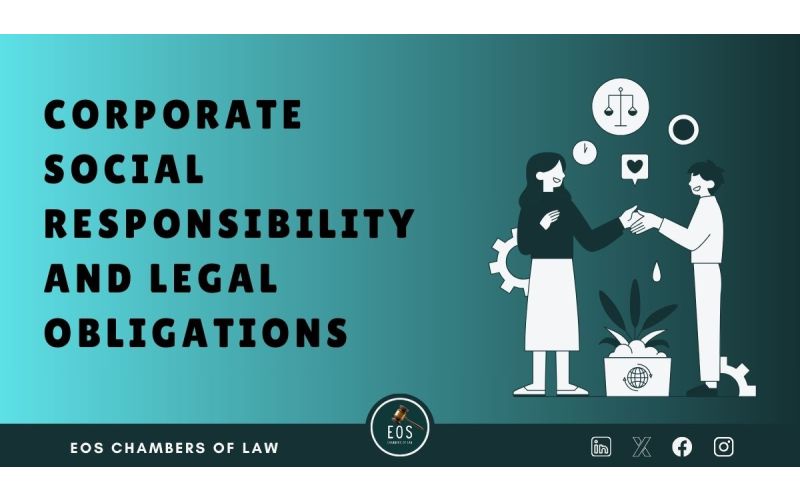
Corporate Social Responsibility and Legal Obligations - Navigating the Legal Aspects of CSR Initiatives
|
Corporate Social Responsibility (CSR) has evolved from a voluntary initiative to a crucial component of modern business strategy. In today's globalized economy, companies are expected to contribute positively to society while maintaining profitability. However, CSR is not just about corporate goodwill; it increasingly intersects with legal obligations, especially in regions like India where CSR is mandated by law.
The Legal Landscape of CSR
In many countries, CSR has moved from being a voluntary practice to a legally enforceable obligation. For instance, India's Companies Act, 2013, was a groundbreaking legislation that mandated CSR activities for certain categories of companies. According to Section 135 of the Act, companies meeting specific financial criteria must spend at least 2% of their average net profit over the last three years on CSR activities. The law also requires companies to form a CSR committee and create a detailed policy outlining their CSR activities.
Key Legal Obligations Under CSR
-
Compliance with Statutory Requirements: Companies must ensure they meet the legal requirements set forth in the applicable CSR regulations. This includes identifying eligible CSR activities, forming a CSR committee, and maintaining transparent records of CSR expenditures.
-
Mandatory Reporting: Companies are required to disclose their CSR activities in their annual reports. This transparency is crucial for stakeholders, including investors, employees, and the public, to evaluate a company’s commitment to CSR.
-
Alignment with Sustainable Development Goals (SDGs): Many legal frameworks encourage or require companies to align their CSR activities with global initiatives like the United Nations Sustainable Development Goals (SDGs). This alignment ensures that CSR efforts contribute to broader societal goals.
-
Due Diligence and Ethical Standards: Companies must conduct due diligence to ensure that their CSR activities do not inadvertently cause harm. For example, a company investing in community development should ensure that its projects are sustainable and do not negatively impact the environment or local communities.
Navigating CSR Obligations
To effectively navigate the legal aspects of CSR, companies should adopt a strategic approach:
-
Integrate CSR into Business Strategy: CSR should not be an afterthought but an integral part of the company’s business strategy. This integration ensures that CSR initiatives align with the company’s core values and long-term goals.
-
Engage Stakeholders: Successful CSR initiatives involve collaboration with various stakeholders, including employees, local communities, and government agencies. Engaging stakeholders helps in identifying relevant CSR activities and ensures that the initiatives have a positive impact.
-
Regular Monitoring and Evaluation: Companies should establish mechanisms to monitor and evaluate the effectiveness of their CSR initiatives. Regular audits and assessments help in ensuring compliance with legal requirements and improving the impact of CSR activities.
-
Legal Consultation: Given the complexities of CSR laws, companies should consult legal experts to ensure full compliance. Legal professionals can provide guidance on eligible activities, reporting requirements, and risk management.
Conclusion
Corporate Social Responsibility is no longer just about doing good; it is about doing good within the boundaries of the law. As CSR becomes increasingly regulated, companies must be proactive in understanding and fulfilling their legal obligations. By integrating CSR into their business strategy and ensuring compliance with legal requirements, companies can not only enhance their reputation but also contribute meaningfully to societal development.
In this evolving landscape, companies that navigate their CSR obligations effectively will not only meet legal requirements but also build a sustainable and socially responsible business that benefits all stakeholders.
Post Categories
Featured Posts








Latest Posts








Latest Posts

AI, Data Protection, and Cyber crime: Navigating Through the Nexus
It was the dawn of the Digital Revolution in the latter half of 20th century that started to reshape the world. But with the advent of AI, data protection, and cybersecurity have become paramount concerns for individuals, businesses, and governments ...

Can AI-Generated Content Be Copyrighted in India?
Understanding Copyright Ownership, AI-Assisted Creation, Originality and the Emerging Legal Position Artificial Intelligence has fundamentally changed the way content is created. Today, a person can use an AI tool to generate a blog article, photograph, illustration, advertisement, music composition, video, ...
Judicial Decorum vs. Legal Expression: Balancing Dissent with Discipline in India’s Courtrooms
🏛️ The Incident That Sparked a National Conversation The recent events in the Supreme Court of India have reignited a fundamental debate — where does a lawyer’s right to expression end and duty to maintain decorum begin? A courtroom is ...
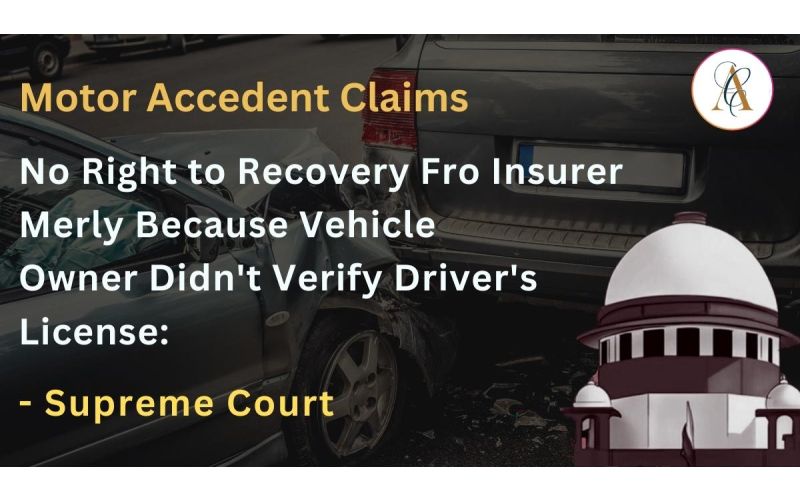
Motor Accident Claims | No Right To Recovery For Insurer Merely Because Vehicle Owner Didn't Verify Driver's License : Supreme Court
The Supreme Court on Monday (30th October) held that an insurance company cannot claim that it is not liable to pay compensation in a motor vehicle accident claim just because the vehicle owner did not verify the genuineness of the ...

SC removes barrier, allows deaf lawyer Sarah Sunny to argue in sign language; interpreter’s speed amazes CJI, SG
The Supreme Court in India has started allowing sign language interpretation for hearing impaired lawyers, demonstrating that not everything needs to be spoken aloud in court. In a recent case, a deaf advocate was permitted to virtually argue with the ...
Freezing of Bank Accounts by ED/GST/Police – Legal Remedies Explained
Has your bank account suddenly been frozen by the Enforcement Directorate, GST authorities, or police investigation? For businesses and individuals alike, a frozen bank account can bring operations to an immediate halt. Why Bank Accounts Are Frozen by Authorities Authorities ...

Speak With Our
Get a Appointment