
Repatriation of Funds and Investments: Legal Guidelines for
Repatriation of Funds and Investments: Legal Guidelines for NRIs
|
For Non-Resident Indians (NRIs), repatriating funds and investments back to their country of residence is a crucial aspect of financial management. However, navigating the legal landscape can be complex. Here are essential guidelines NRIs should follow to ensure smooth and compliant repatriation:
- Understand FEMA Regulations: The Foreign Exchange Management Act (FEMA) governs the repatriation of funds in India. Familiarize yourself with FEMA provisions to ensure compliance when transferring money abroad.
- Eligible Sources of Funds: NRIs can repatriate funds from various sources, including:
- Sale of property in India
- Income from investments, such as rent or dividends
- Funds held in Non-Resident External (NRE) accounts Ensure that the source of funds complies with FEMA regulations.
- Documentation is Essential: Maintain accurate documentation for all transactions, including bank statements, sale agreements, and tax returns. Proper records will facilitate smooth repatriation and help avoid legal complications.
- Limitations on Repatriation: While NRIs can repatriate up to $1 million per financial year for personal and capital account transactions, be aware of the limitations imposed on certain types of investments. Consulting with a financial advisor can clarify these limits.
- Tax Implications: Understand the tax consequences of repatriating funds. Capital gains tax may apply when selling assets in India, impacting the amount you can transfer. Engaging a tax consultant can help you navigate these complexities.
- Seek Professional Assistance: Consider working with legal and financial professionals who specialize in NRI issues. Their expertise can help ensure compliance with Indian laws and facilitate hassle-free repatriation.
By adhering to these guidelines, NRIs can effectively manage the repatriation of their funds and investments, ensuring their financial interests are protected while complying with legal requirements.
Post Categories
Featured Posts






Latest Posts








Latest Posts
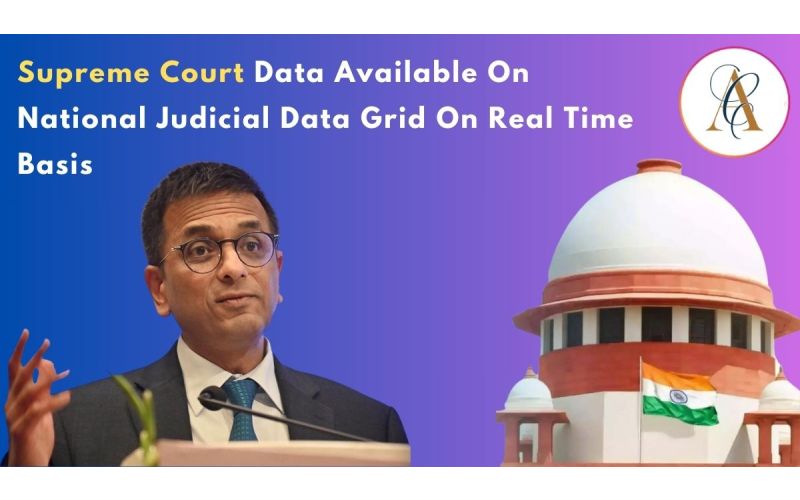
In A First, Supreme Court Data Available On National Judicial Data Grid On Real Time Basis; Boost For Transparency, Says CJI DY Chandrachud
Chief Justice of India DY Chandrachud announced today that the Supreme Court is officially 'onboard' with the National Judicial Data Grid (NJDG) now. The CJI described the onboarding of the Supreme Court data on NJDG portal under the court's 'open ...
Insurance Companies Must Deal In A Bonafide & Fair Manner ; Should Not Just Care For Its Own Profits : Supreme Court
The Supreme Court observed that an insurance is expected to deal with the insured in a bonafide and fair manner and should not just care for and cater to its own profits. It is the duty of the insurance company ...
Cheque Bounce Case Can Be Quashed U/S 482 Only If Amount Is Patently Non-Recoverable; Whether Debt Time-Barred Or Not Is A Question Of Evidence : SC
The Supreme Court observed that the question whether a cheque was issued towards a time barred debt is to be decided on evidence. “It is only in cases wherein an amount which is out and out non-recoverable, towards which a ...
Section 313 CrPC | 'Right To Remain Silent Not Be Used Against Accused' : Supreme Court Summarises 12 Principles
Recently, the Supreme Court, in a noteworthy judgment, while acquitting a woman accused of killing her own child and was convicted for murder and sentenced to life imprisonment, also decided the question of what may be required of the convict ...
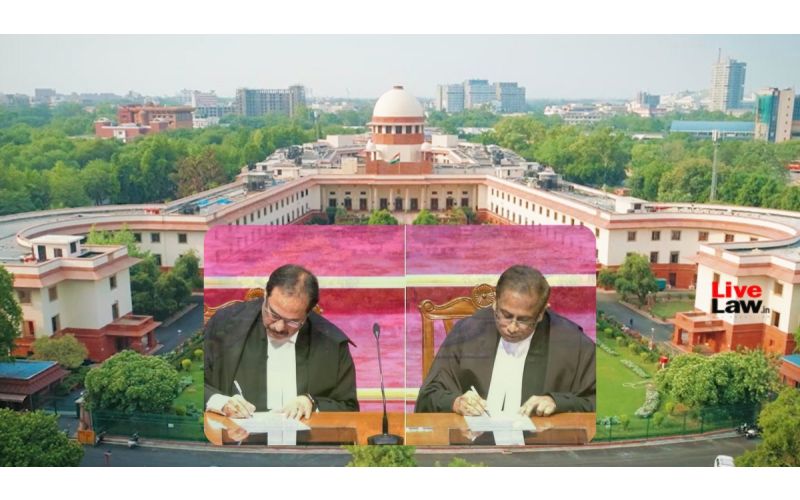
Prashant Mishra, KV Viswanathan Take Oath As Supreme Court Judges
By India, Today News Desk: Justice Prashant Kumar Mishra and senior advocate KV Viswanathan were sworn-in as Supreme Court judges on Friday, a day after the Central government cleared the appointment of the advocates. New Union Law Minister Arjun Meghwal took to ...
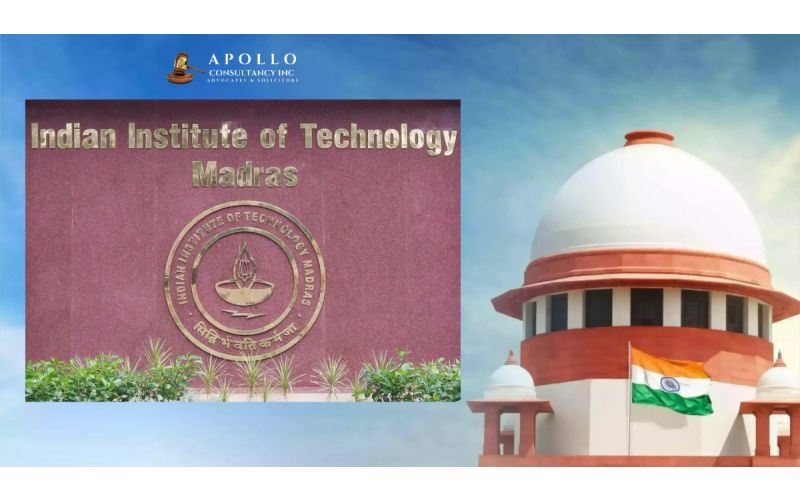
Petition Against IIT Eligibility Criteria Of 75% In Class 12 Dismissed
A vacation bench of Justices Sudhanshu Dhulia and K V Vishwanathan said this prerequisite existed earlier as well and it was not inclined to intervene in the matter. New Delhi: The Supreme Court on Monday dismissed a plea challenging the ...

Speak With Our
Get a Appointment