
Petition Against IIT Eligibility Criteria Of 75% In Class 12
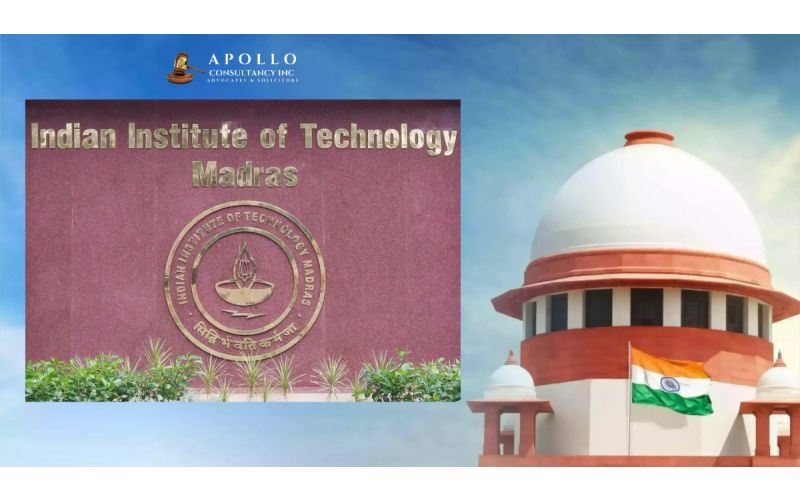
Petition Against IIT Eligibility Criteria Of 75% In Class 12 Dismissed
|
A vacation bench of Justices Sudhanshu Dhulia and K V Vishwanathan said this prerequisite existed earlier as well and it was not inclined to intervene in the matter.
New Delhi:
The Supreme Court on Monday dismissed a plea challenging the eligibility criterion of 75 percent score in the higher secondary examination for admission to the Indian Institutes of Technology (IITs).
A vacation bench of Justices Sudhanshu Dhulia and K V Vishwanathan said this prerequisite existed earlier as well and it was not inclined to intervene in the matter.
The Supreme Court said these are education matters and it has to defer the issue to experts.
“This condition was always there, why should we interfere? This is not a matter we want to get into,” the bench said.
The top court was hearing a plea filed by Chandan Kumar and others against the eligibility criterion of 75 percent marks in Class 12 board exams for admission to IITs.
The counsel appearing for the petitioners contended the students were given a waiver during the Covid-19 pandemic and the same students now have greater chances to clear the examination for admission to the prestigious engineering institutes.
“They have scored more than 98 percent in Joint Entrance Examination, JEE (Main). These are meritorious students. Kindly allow them,” the counsel said.
The lawyer submitted that the applicant has scored 92 percentile in JEE Mains and is eligible to appear in JEE Advance. However, she will not get admission even if she qualifies as her board exam score is less than 75 percent.
According to the Joint Entrance Examination (JEE) Advanced brochure released this year, candidates need to have secured at least 75 percent in Class 12 board exams.
Source
Post Categories
Featured Posts




Latest Posts








Latest Posts

Builder–Buyer Disputes in India: Legal Remedies Beyond Court Litigation
Builder–buyer disputes have become one of the most common legal issues in India’s real estate sector. Delays in possession, unilateral changes in project plans, poor construction quality, refund refusals, and misleading commitments have affected thousands of home buyers across the ...
Members Of Railway Protection Force Can Seek Benefit Under Employees Compensation Act Though RPF Declared As An Armed Force: Supreme Court
The Supreme Court on Monday (26.09.2023), held that an officer of the Railway Protection Force (RPF) can seek compensation under Employees Compensation Act, 1923 even though the RPF has been declared to be an armed force of the Union. “..in ...
Insurance Companies Must Deal In A Bonafide & Fair Manner ; Should Not Just Care For Its Own Profits : Supreme Court
The Supreme Court observed that an insurance is expected to deal with the insured in a bonafide and fair manner and should not just care for and cater to its own profits. It is the duty of the insurance company ...

#𝐊𝐧𝐨𝐰𝐓𝐡𝐞𝐋𝐚𝐰 | 𝐂𝐚𝐧 𝐘𝐨𝐮 𝐅𝐢𝐫𝐞 𝐚𝐧 𝐄𝐦𝐩𝐥𝐨𝐲𝐞𝐞 𝐖𝐢𝐭𝐡𝐨𝐮𝐭 𝐍𝐨𝐭𝐢𝐜𝐞?
YES! 🚫 𝐎𝐧𝐥𝐲 𝐢𝐧 𝐞𝐱𝐜𝐞𝐩𝐭𝐢𝐨𝐧𝐚𝐥 𝐜𝐚𝐬𝐞𝐬 — like proven misconduct, criminal activity, or if the employment contract specifically permits termination without notice. 🧾 𝐔𝐧𝐝𝐞𝐫 𝐭𝐡𝐞 𝐈𝐧𝐝𝐮𝐬𝐭𝐫𝐢𝐚𝐥 𝐃𝐢𝐬𝐩𝐮𝐭𝐞𝐬 𝐀𝐜𝐭, 1947, and state-specific Shops & Establishment Acts, arbitrary dismissal can invite legal ...

𝐋𝐞𝐠𝐚𝐥 𝐄𝐭𝐡𝐢𝐜𝐬 & 𝐏𝐫𝐨𝐟𝐞𝐬𝐬𝐢𝐨𝐧𝐚𝐥𝐢𝐬𝐦: 𝐁𝐮𝐢𝐥𝐝𝐢𝐧𝐠 𝐓𝐫𝐮𝐬𝐭 𝐢𝐧 𝐭𝐡𝐞 𝐋𝐞𝐠𝐚𝐥 𝐈𝐧𝐝𝐮𝐬𝐭𝐫𝐲
🔹 𝑰𝒏𝒕𝒆𝒈𝒓𝒊𝒕𝒚. 𝑨𝒄𝒄𝒐𝒖𝒏𝒕𝒂𝒃𝒊𝒍𝒊𝒕𝒚. 𝑪𝒐𝒏𝒇𝒊𝒅𝒆𝒏𝒕𝒊𝒂𝒍𝒊𝒕𝒚. These pillars define a true legal professional. But in today’s fast-paced legal landscape, how do we maintain them? ✔ 𝑼𝒑𝒉𝒐𝒍𝒅𝒊𝒏𝒈 𝑪𝒍𝒊𝒆𝒏𝒕 𝑪𝒐𝒏𝒇𝒊𝒅𝒆𝒏𝒕𝒊𝒂𝒍𝒊𝒕𝒚: A lawyer’s duty is to protect sensitive information—breaching it damages trust. ✔ 𝑨𝒗𝒐𝒊𝒅𝒊𝒏𝒈 ...

Navigating Real Estate Challenges: A Solicitor's Insight
Introduction: In the intricate world of real estate, consumers often find themselves entangled in a web of complexities that demand legal acumen and guidance. As a solicitor passionate about serving my clients, I feel compelled to shed light on the ...

Speak With Our
Get a Appointment