
NRI Divorce and Child Custody Rights in India: What You Must

NRI Divorce and Child Custody Rights in India: What You Must Know
|
When NRIs (Non-Resident Indians) go through a divorce involving children, legal rights around custody, visitation, and jurisdiction often become complex.
Key Points:
- Jurisdiction Matters: If the marriage was registered in India or the couple last lived here, Indian courts can have jurisdiction—even if one party lives abroad.
- Mutual vs. Contested Divorce: Mutual consent divorces are quicker and less adversarial. Contested cases can take longer, especially when one spouse lives outside India.
- Child Custody: Indian courts prioritize the child’s welfare. Custody may be granted to one parent, with visitation rights to the other. The location and lifestyle of the parents can influence the decision.
- International Enforcement: Orders from foreign courts are not automatically enforceable in India unless validated by Indian courts under Section 13 of CPC.
Why it matters: NRIs must understand both Indian and foreign legal systems to avoid custody battles or contempt of court issues.
Post Categories
Featured Posts






Latest Posts








Latest Posts

SC removes barrier, allows deaf lawyer Sarah Sunny to argue in sign language; interpreter’s speed amazes CJI, SG
The Supreme Court in India has started allowing sign language interpretation for hearing impaired lawyers, demonstrating that not everything needs to be spoken aloud in court. In a recent case, a deaf advocate was permitted to virtually argue with the ...
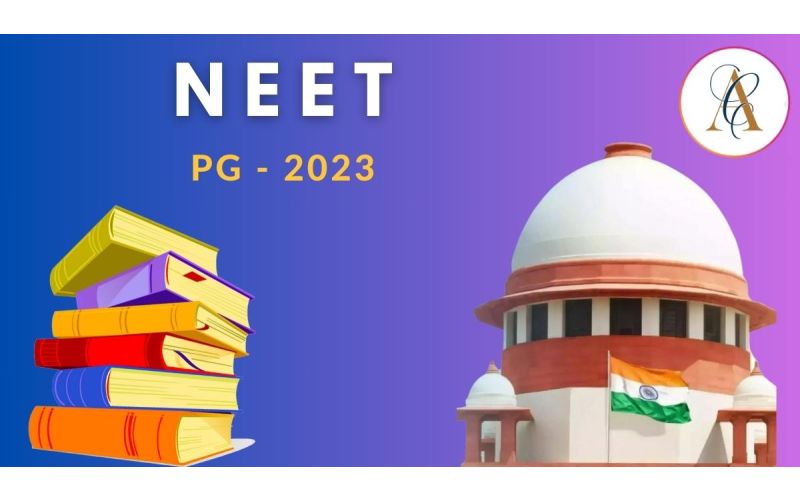
NEET-PG : Supreme Court Dismisses Plea Challenging Reduction Of NEET-PG 2023 Qualifying Percentile To Zero
The Supreme Court on Monday (September 25) dismissed a petition challenging the decision of the Union Government to reduce the cut-off for post-graduate medical college admissions through NEET-PG 2023 exam as zero percentile. A bench comprising dismissed a PIL filed ...
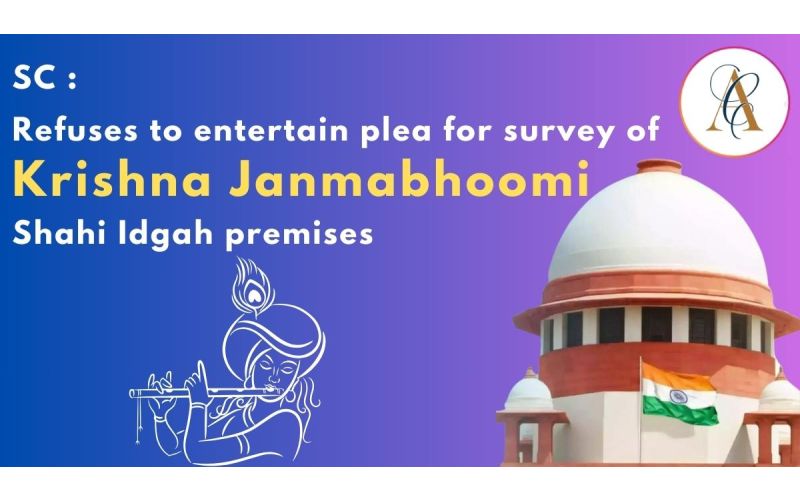
SC refuses to entertain plea for survey of Krishna Janmabhoomi-Shahi Idgah premises
The Supreme Court Friday refused to entertain a plea by 'Shri Krishna Janambhoomi Mukti Nirman Trust' seeking a survey of the Janmabhoomi-Shahi Idgah mosque premises in Mathura to determine whether it was built on a pre-existing Hindu temple. The apex ...
Contract Law in the Digital Age: How E-Contracts Are Transforming Legal Agreements
In today's fast-paced, technology-driven world, traditional paper-based contracts are swiftly being replaced by electronic contracts, or e-contracts. This shift is transforming the way legal agreements are created, executed, and enforced. Here’s an in-depth look at how e-contracts are revolutionizing contract ...
Central Civil Service Rules , Retired Employee Can Be Appointed As Inquiry Authority In Disciplinary Proceedings…
The Supreme Court recently held that the disciplinary authority under the Central Civil Service Rules is empowered to appoint a retired employee as an inquiry authority. It is not necessary that the inquiry officer should be a public servant. The ...
'Serving Personnel Can't Be Deemed To Ex-Servicemen From Future Date' : Supreme Court Rejects Army Veterans Plea For Govt Job
Serving Armed Forces officers can't be deemed to be Ex-Servicemen from a prospective date, said the Supreme Court while rejecting the claim of three appellants for appointments as Village Development Officers in the Uttar Pradesh State Service. The appellants, even ...

Speak With Our
Get a Appointment