
'No right for queer couples to jointly adopt’: SC in same-
'No right for queer couples to jointly adopt’: SC in same-sex marriage verdict
|
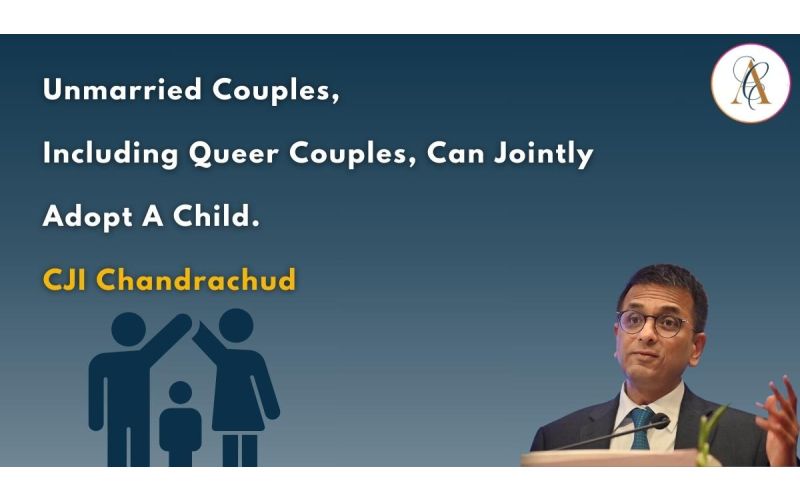
The CJI said the law didn't preclude unmarried couples from adopting.
Chief Justice of India DY Chandrachud, while announcing his verdict on a clutch of petitions demanding legal status to same-sex marriages, today struck down the Central Adoption Resource Authority's (CARA) regulation that restricted queer and unmarried couples from adopting children. The five-judge bench, however, in a 3:2 verdict, ruled that non-heterosexual couples cannot be granted the right to jointly adopt a child.
CJI Chandrachud said it couldn't be assumed only "heterosexual married couples can be good parents".
CARA is a statutory body affiliated to the Ministry of Women and Child Development. It is the nodal body for adoption of Indian children. It regulates and monitors all adoptions taking place in India, including inter-country adoptions.
The CJI said the law didn't preclude unmarried couples from adopting, and that the Union of India hadn't proven restricting unmarried couples from adopting was in the best interest of children. "CARA has exceeded its authority in barring unmarried couples," he said.
"Differentia between married couples and unmarried couples has no reasonable nexus with the objective of CARA - the best interests of the child," CJI Chandrachud said.
He said the CARA circular (which excludes queer couples from adoption) is violative of Article 15 of the Constitution, reported Live Law.
The Supreme Court on Tuesday declined to grant legal recognition to same-sax marriages, holding that it is only for Parliament and state legislatures to create such institutions and grant them legal validation.
The Constitution bench -- comprising CJI Dhananjaya Y Chandrachud and justices Sanjay Kishan Kaul, S Ravindra Bhat, Hima Kohli and PS Narasimha -- were unanimous in their judgement that it was beyond the remit of courts to issue a positive direction to the legislature to accord legal recognition to same-sex marriages.
The court refused to change the meaning of the Special Marriage Act. However, it declared queer couples have the right to cohabit without any threat of violence, coercion or interference.
Three of the five judges ruled there can't be a right to form civil unions. By the same majority, the court also held that non-heterosexual couples cannot be granted the right to jointly adopt a child.
Post Categories
Featured Posts




Latest Posts








Latest Posts
Inheritance and Succession Laws for NRIs
📢 Inheritance and Succession Laws for NRIs Understanding inheritance and succession laws is crucial for Non-Resident Indians (NRIs) to manage their assets and ensure smooth transfer to their heirs. Here's a concise guide to these laws for NRIs, including key ...

#𝐊𝐧𝐨𝐰𝐓𝐡𝐞𝐋𝐚𝐰 | 𝐂𝐚𝐧 𝐘𝐨𝐮 𝐅𝐢𝐫𝐞 𝐚𝐧 𝐄𝐦𝐩𝐥𝐨𝐲𝐞𝐞 𝐖𝐢𝐭𝐡𝐨𝐮𝐭 𝐍𝐨𝐭𝐢𝐜𝐞?
YES! 🚫 𝐎𝐧𝐥𝐲 𝐢𝐧 𝐞𝐱𝐜𝐞𝐩𝐭𝐢𝐨𝐧𝐚𝐥 𝐜𝐚𝐬𝐞𝐬 — like proven misconduct, criminal activity, or if the employment contract specifically permits termination without notice. 🧾 𝐔𝐧𝐝𝐞𝐫 𝐭𝐡𝐞 𝐈𝐧𝐝𝐮𝐬𝐭𝐫𝐢𝐚𝐥 𝐃𝐢𝐬𝐩𝐮𝐭𝐞𝐬 𝐀𝐜𝐭, 1947, and state-specific Shops & Establishment Acts, arbitrary dismissal can invite legal ...
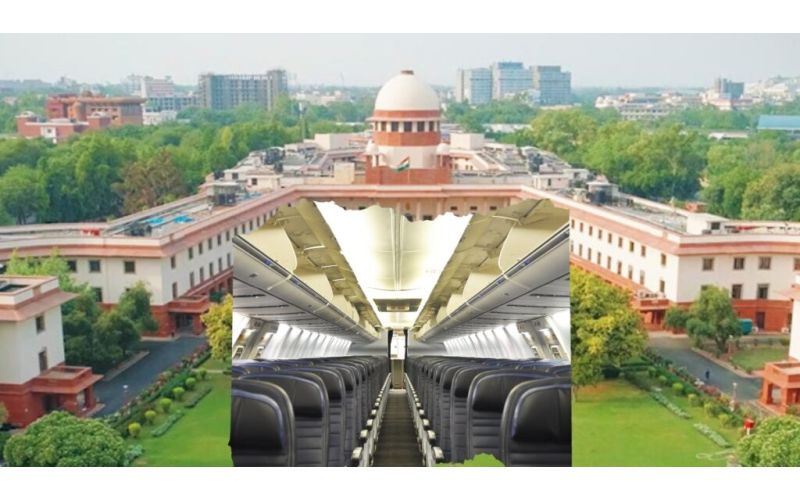
Supreme Court Notice To Airlines, Regulator Over Pee-Gate Victim’s Petition
New Delhi: The Supreme Court Monday agreed to examine the plea of a 72-year-old woman, on whom a male co-passenger allegedly urinated on board an Air India flight in November last year, seeking a direction to the Centre, aviation regulator DGCA ...
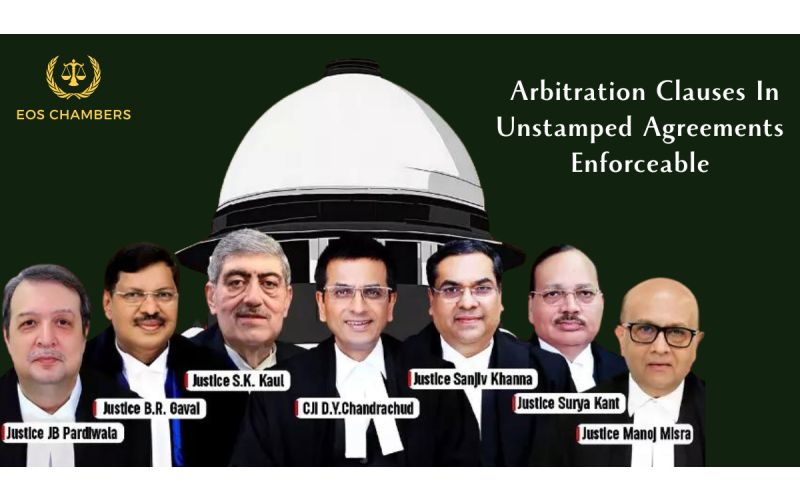
BREAKING | Arbitration Clauses In Unstamped Agreements Enforceable : Supreme Court 7-Judge Bench Overrules 'NN Global' Decision
A seven-judge bench of the Supreme Court on Wednesday (December 13) ruled that arbitration clauses in unstamped or inadequately stamped agreements are enforceable. Insufficiency of stamping does not make the agreement void or unenforceable but makes it inadmissible in evidence. ...
Protecting Your Rights in Family Law Matters: Legal Solutions for NRIs ⚖️
Navigating family law matters can be especially challenging for Non-Resident Indians (NRIs) who may face unique legal complexities. Whether dealing with divorce, child custody, or property disputes, understanding your rights and available legal solutions is crucial. Here are some key ...
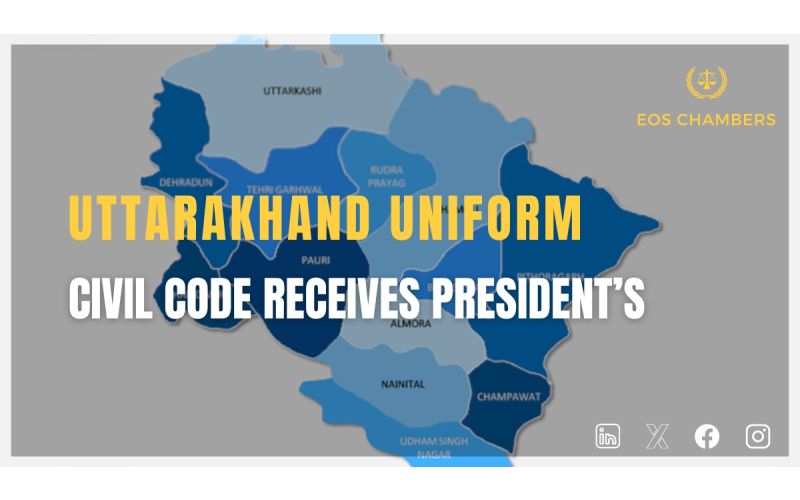
Uttarakhand Uniform Civil Code Receives President's Approval
In a crucial development, the Uttarakhand Uniform Civil Code (UCC) Bill, 2024 has been granted assent by President of India Droupadi Murmu. It may be recalled that in 2022, a committee was formed by Pushkar Singh Dhami-led Uttarakhand Government to ...

Speak With Our
Get a Appointment