
Inheritance and Succession Laws: What Every NRI Should Know
Inheritance and Succession Laws: What Every NRI Should Know
|
For Non-Resident Indians (NRIs), navigating inheritance and succession laws in India can be complex. Whether dealing with ancestral property, inheriting assets, or managing family estates, NRIs must understand the legal framework to safeguard their rights and avoid disputes. Here are some key insights:
- Legal Heir Certificate: To claim inherited property, NRIs must obtain a legal heir certificate from Indian authorities. This document proves your legal right to the property as a rightful heir.
- Wills and Probate: If the deceased left a will, it must be probated through the Indian courts. NRIs should ensure the will is registered and up-to-date to avoid lengthy legal battles.
- Succession Laws: Hindu, Muslim, Christian, and other religious communities follow different succession laws in India. Understanding which law applies to your case is essential for a smooth transfer of assets.
- Tax Implications: Inherited property may have tax implications for NRIs, especially when selling or repatriating the proceeds. Understanding capital gains tax and repatriation rules can prevent future legal complications.
- Avoiding Family Disputes: Clear and comprehensive documentation, along with regular communication among family members, can help avoid property disputes and ensure a smooth inheritance process.
NRIs dealing with inheritance and succession matters in India should seek professional legal advice to ensure compliance and protect their interests. Taking proactive steps can make the process smoother and prevent future conflicts.
Post Categories
Featured Posts








Latest Posts








Latest Posts

𝐖𝐡𝐲 𝐋𝐞𝐠𝐚𝐥 𝐃𝐮𝐞 𝐃𝐢𝐥𝐢𝐠𝐞𝐧𝐜𝐞 𝐢𝐬 𝐂𝐫𝐮𝐜𝐢𝐚𝐥 𝐁𝐞𝐟𝐨𝐫𝐞 𝐀𝐧𝐲 𝐁𝐮𝐬𝐢𝐧𝐞𝐬𝐬 𝐌𝐞𝐫𝐠𝐞𝐫
Why Legal Due Diligence is Crucial Before Any Business Merger 📢 Planning a merger or acquisition? Don’t skip legal due diligence—it can make or break the deal! Here’s why: 🔎 What is Legal Due Diligence?It’s a comprehensive review of a ...
Section 47 CPC | Executing Court Can Consider Only Questions Limited To Execution Of Decree; Can't Go Behind Decree: Supreme Court
Lamenting the long delay in the execution of decrees, the Supreme Court observed that under Section 47 of the Code of Civil Procedure, the Executing Court can only go into questions that are limited to the execution of decree and ...
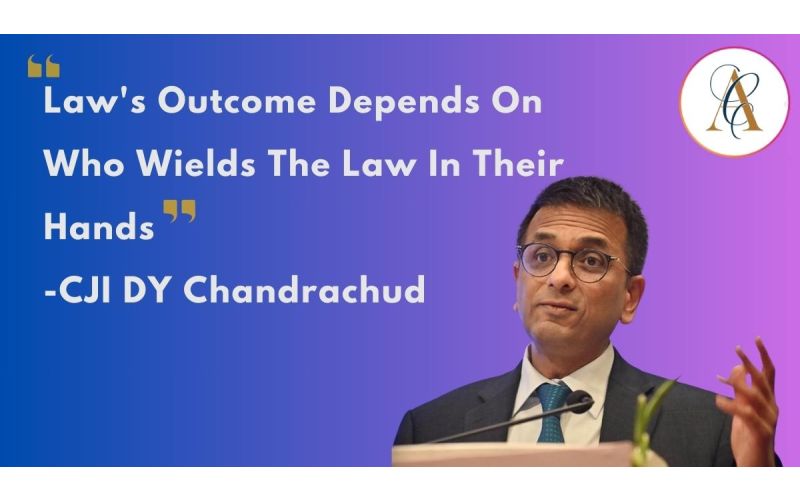
Law's Outcome Depends On Who Wields The Law In Their Hands : CJI DY Chandrachud
Chief Justice of India, DY Chandrachud recently spoke on how justice and the outcome of the law depends on who is wielding the law in their hands. When the law is wielded with compassion, it is capable of producing justice, ...
Cheque Bounce Case Can Be Quashed U/S 482 Only If Amount Is Patently Non-Recoverable; Whether Debt Time-Barred Or Not Is A Question Of Evidence : SC
The Supreme Court observed that the question whether a cheque was issued towards a time barred debt is to be decided on evidence. “It is only in cases wherein an amount which is out and out non-recoverable, towards which a ...

Permanent Establishment (PE) Risk for Foreign Companies in India – 2026 Compliance Alert
Introduction: Why PE Risk Is a Serious Compliance Issue in 2026 India continues to witness heightened scrutiny of foreign companies operating through subsidiaries, employees, consultants, and digital presence. With increased data sharing, GST intelligence, and income-tax investigations, Permanent Establishment (PE) ...
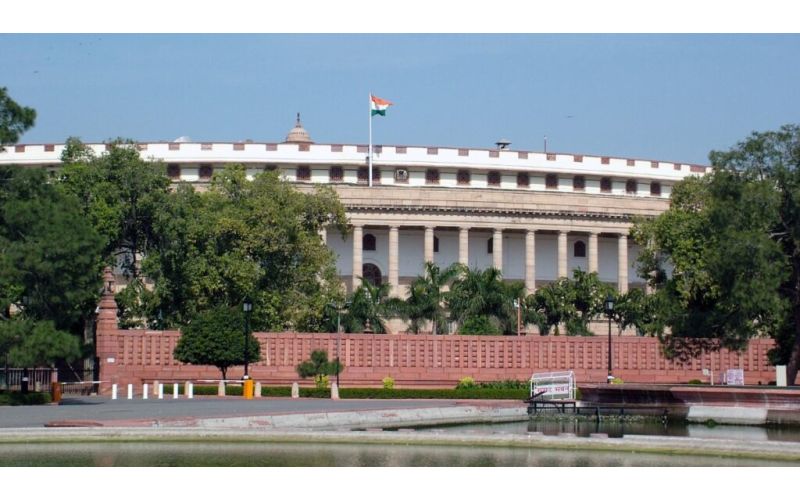
Rajya Sabha Passes J&K Reorganization Bill To Bifurcate Jammu And Kashmir Into Two Union Territories
The Rajya Sabha has passed the Jammu and Kashmir (Reorganization) Bill, 2019, which is set to bifurcate the state of Jammu and Kashmir into two Union territories – Jammu and Kashmir, which will have a legislature, and Ladakh, which will ...

Speak With Our
Get a Appointment