
SC Issues Notice On PIL Seeking Action Against Doctors Who D
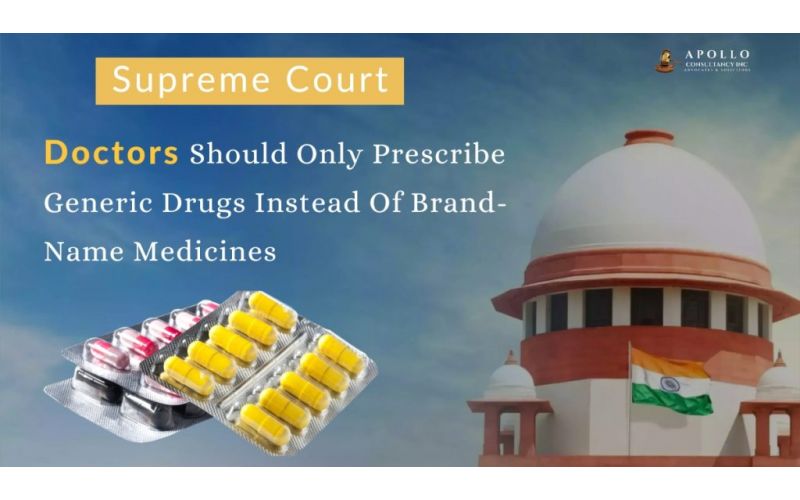
SC Issues Notice On PIL Seeking Action Against Doctors Who Do Not Prescribe Generic Medicines
|
The plea said that affordability of medicines is a vital factor that contributes to effective healthcare delivery and the realization of the ‘right to health’
The Supreme Court on Friday issued notice on a PIL seeking disciplinary actions against doctors who fail to prescribe generic medicines.
A bench comprising Chief Justice of India D.Y. Chandrachud, Justices J.B. Pardiwala and Manoj Misra sought response from the Centre, all state governments, Ethics and Medical Registration Board (erstwhile Medical Council of India) and others in the matter.
Advocate K.C. Jain, the petitioner, apprised the bench that regulations emphasizing the importance of prescribing generic medicines, which were notified back in 2002, remain largely unimplemented in practice.
He said that the Indian Medical Council (Professional Conduct, Etiquette, and Ethics) Regulations, 2002, which highlight the significance of prescribing drugs by their generic names, exist solely within legal frameworks.
The plea said that affordability of medicines is a vital factor that contributes to effective healthcare delivery and the realization of the ‘right to health’.
“Generic drugs, which have the same active ingredients as their branded counterparts but are not marketed under a specific brand name, are often significantly cheaper. The prices of generic medicines (off-patented) can be 50 per cent to 90 per cent lower than those of branded medicines,” stated the petition.
It sought directions to the National Pharmaceuticals Pricing Authority to fix the Maximum Retail Price (MRP) of Non Scheduled formulations and off-patented generic medicines.
“By prescribing generic drugs, healthcare professionals can help alleviate the financial burden on patients and facilitate their access to vital medications,” the plea said.
Post Categories
Featured Posts


Latest Posts








Latest Posts
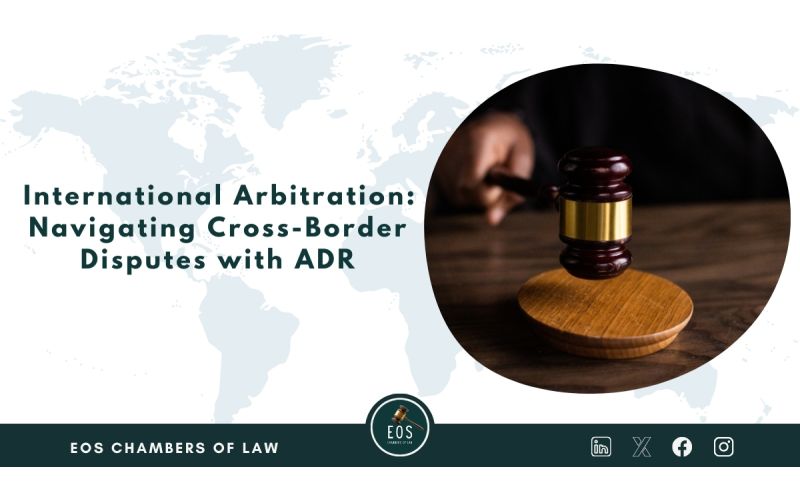
International Arbitration: Navigating Cross-Border Disputes with ADR
As global business transactions increase, so do the risks of cross-border disputes. When parties from different countries find themselves in conflict, traditional litigation can be slow, costly, and fraught with jurisdictional complexities. This is where Alternative Dispute Resolution (ADR)—specifically, international ...

SC : Divorce Can Be Granted On ‘Grounds Of Irretrievable Breakdown’
The Supreme Court on May 1 held that it can use its extraordinary powers to do “complete justice” under Article 142 of the Constitution and dissolve a marriage on the ground of ‘irretrievable breakdown’ of the union. Usually, the apex ...
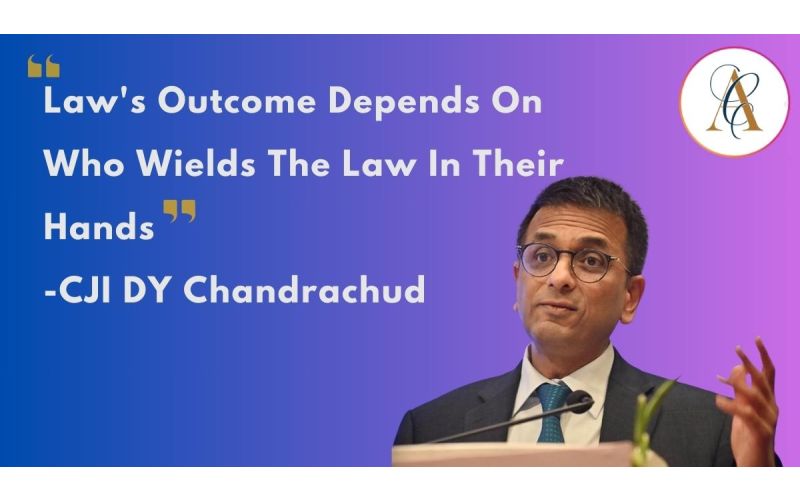
Law's Outcome Depends On Who Wields The Law In Their Hands : CJI DY Chandrachud
Chief Justice of India, DY Chandrachud recently spoke on how justice and the outcome of the law depends on who is wielding the law in their hands. When the law is wielded with compassion, it is capable of producing justice, ...
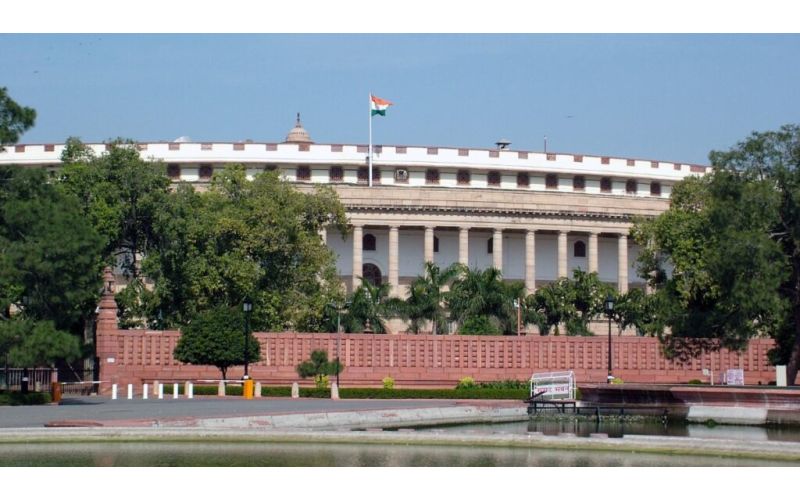
Rajya Sabha Passes J&K Reorganization Bill To Bifurcate Jammu And Kashmir Into Two Union Territories
The Rajya Sabha has passed the Jammu and Kashmir (Reorganization) Bill, 2019, which is set to bifurcate the state of Jammu and Kashmir into two Union territories – Jammu and Kashmir, which will have a legislature, and Ladakh, which will ...
What Should You Do if a False Criminal Case or FIR is Filed Against You in India?
What should you do if you suddenly discover that a criminal case or FIR has been filed against you based on false allegations? Unfortunately, misuse of criminal law to settle personal disputes, business conflicts, or property disagreements is not uncommon ...

Legal Challenges in NRI Marriages
Introduction Non-Resident Indian (NRI) marriages, while often joyous, can also bring a unique set of legal challenges. These challenges stem from cross-border legal systems, differing cultural expectations, and complex family dynamics. Understanding these issues is crucial for NRIs and their ...

Speak With Our
Get a Appointment