
Arbitration Law Needs To Tackle A Key Concern
Arbitration Law Needs To Tackle A Key Concern
|
The arbitration law has undergone repeated amendments with only one aim — making India the hub of international arbitration.
Last month, the government set up an expert panel headed by former law secretary TK Viswanathan to suggest reforms in the 1996 Arbitration and Conciliation (A&C) Act. The A&C Act is the primary legislation regulating domestic and foreign arbitration in India. It gives effect to the International Convention on the Recognition and Enforcement of Foreign Arbitral Awards (also known as the New York Convention), which India signed in 1960. Thus, it provides a mechanism for the enforcement of foreign arbitral awards in India. In the last few years, several recommendations have been made to reform the A&C Act including by the Law Commission of India. Indeed, the arbitration law has undergone repeated amendments with only one aim — making India the hub of international arbitration.
Post Categories
Featured Posts








Latest Posts








Latest Posts
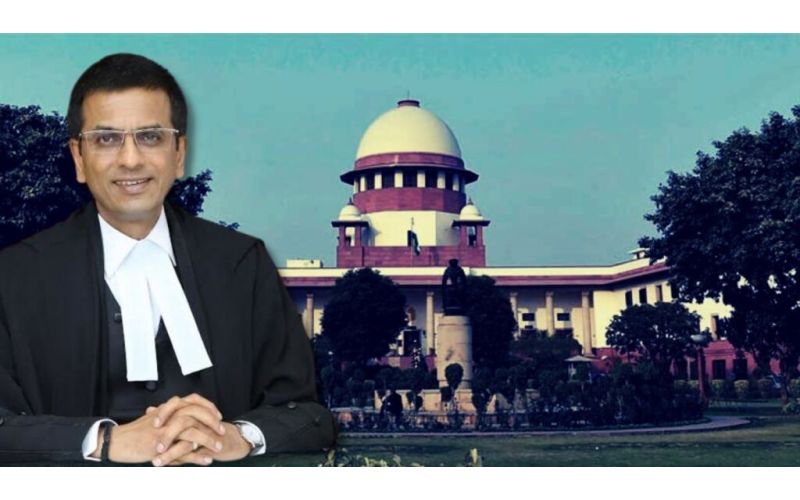
CJI Chandrachud Bats For Mediation As Dispute Resolution Mechanism For Individuals, Govt
NEW DELHI: Chief Justice of India DY Chandrachud batted on Friday for adopting and encouraging mediation, including online mediation, as a mode of dispute resolution other than litigation, saying it would reduce the courts’ caseload and has the potential to ...

Permanent Establishment (PE) Risk for Foreign Companies in India – 2026 Compliance Alert
Introduction: Why PE Risk Is a Serious Compliance Issue in 2026 India continues to witness heightened scrutiny of foreign companies operating through subsidiaries, employees, consultants, and digital presence. With increased data sharing, GST intelligence, and income-tax investigations, Permanent Establishment (PE) ...

Digital Arrest: Navigating Cyber Crime Laws in India
In today's digital era, the concept of "digital arrest" has taken center stage, reflecting the evolving legal response to cyber crimes in India. With the rise in online fraud, hacking, cyberbullying, and identity theft, the need to protect citizens and ...
Supreme Court Clarifies Jurisdiction of State Agencies in Corruption Cases Again
The 𝐒𝐮𝐩𝐫𝐞𝐦𝐞 𝐂𝐨𝐮𝐫𝐭 of India has recently delivered a judgment of far-reaching significance in the context of corruption prosecutions involving Central Government employees. Although the matter was argued on behalf of the petitioner and the decision ultimately went against us, ...

Legal Due Diligence Before Buying a Business or Startup in India
Why Legal Due Diligence Is Critical In India, when you acquire a business or startup — whether through share purchase, asset purchase, merger, or strategic investment — you may also inherit: Undisclosed tax liabilities Pending litigation Regulatory non-compliance Hidden shareholder ...

Legal Challenges in NRI Marriages
Introduction Non-Resident Indian (NRI) marriages, while often joyous, can also bring a unique set of legal challenges. These challenges stem from cross-border legal systems, differing cultural expectations, and complex family dynamics. Understanding these issues is crucial for NRIs and their ...

Speak With Our
Get a Appointment