
Punjab & Haryana High Court Issues Guidelines To Check Unnec
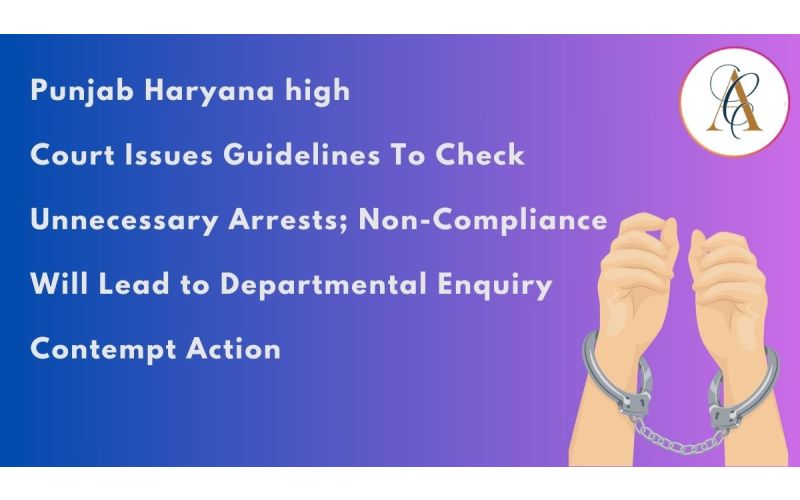
Punjab & Haryana High Court Issues Guidelines To Check Unnecessary Arrests; Non-Compliance Will Lead To Departmental Enquiry, Contempt Action
|
The Punjab & Haryana High Court has issued guidelines in compliance with the Supreme Court directions in Md. Asfak Alam v. State of Jharkhand & Anr. to ensure that police officers do not make unnecessary arrests and that Magistrates do not casually or mechanically authorize detentions.“The following guidelines are framed by the High Court of Punjab and Haryana at Chandigarh...
Post Categories
Featured Posts


Latest Posts








Latest Posts
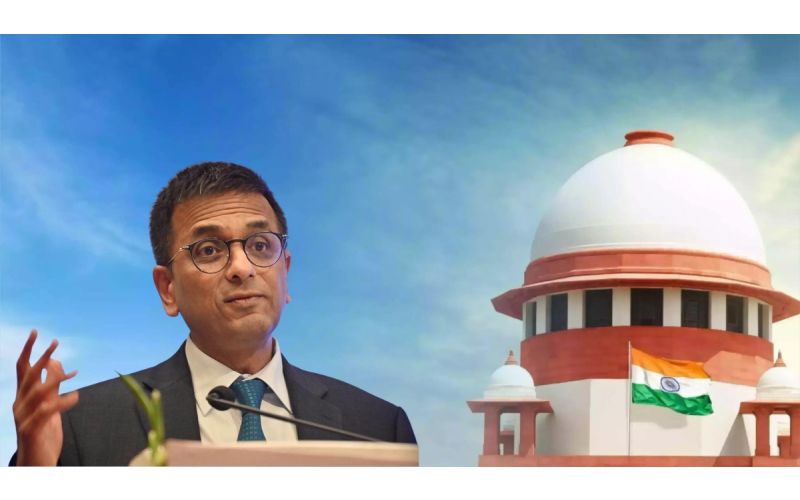
New Training Programme For New Lawyers. By Chief Justice Of India DY CHANDRACHUD 🇮🇳
‘Judges can’t burden lawyers due to uneasiness with technology’: CJI Chandrachud- CJI Chandrachud appealed to judges to continue hybrid hearings, saying that this was not just meant for the Covid-19 pandemic period. Chief Justice of India (CJI) DY Chandrachud on ...
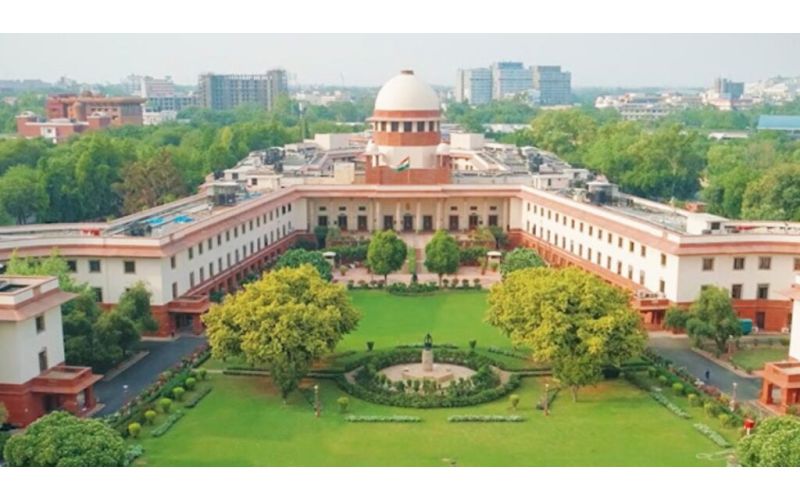
Be Vigilant Before Invoking Stringent Laws Like SC-ST Act : Supreme Court ‘Reminds’ Police Officers
In a recent case, the Supreme Court reminded police officers of their duty to be vigilant before invoking provisions of stringent laws such as the SC-ST (Prevention of Atrocities) Act, stating that officers must be satisfied that the provisions apply ...

Cross-Border Succession Planning: What Global Indian Families Must Fix in 2026
Protecting Wealth Across Borders Requires More Than Just a Will. Global Indian families are increasingly building wealth beyond geographical boundaries. A business in India, investment portfolios in the UAE, real estate in the UK, children settled in the United States, ...

Supreme Court Seeks Union's Stand Regarding Cryptocurrency
The Centre has told the Supreme Court it is yet to take a decision on a mechanism to regulate cryptocurrencies and effectively investigate related offences. A bench of justices Surya Kant and KV Viswanathan was told by Additional Solicitor General ...
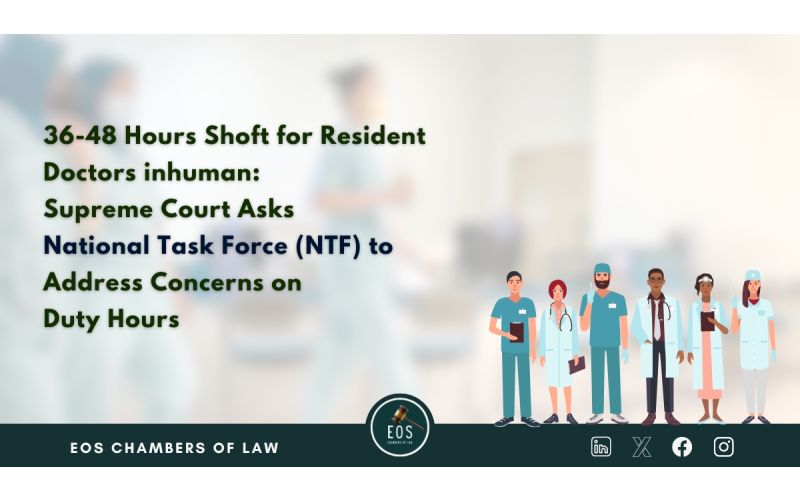
36-48 Hours Shifts For Resident Doctors Inhuman: Supreme Court Asks NTF To Address Concerns On Duty Hours
During the Suo Motu hearing of the RG Kar Hospital Rape-Murder today, the Supreme Court expressed its worries over the 'inhuman working hours' of resident doctors all over the country. The bench comprising Chief Justice of India DY Chandrachud, Justices ...
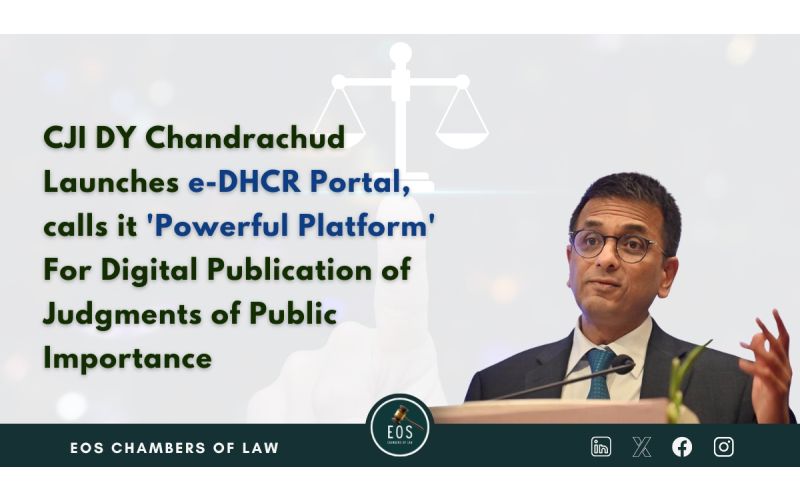
CJI DY Chandrachud Launches e-DHCR Portal, calls it 'Powerful Platform' For Digital Publication of Judgments of Public Importance
Chief Justice of India, Justice DY Chandrachud, on Monday launched the e-DHCR portal, a user friendly official platform for reporting the judgments of Delhi High Court. CJI Chandrachud said that the initiative marks a “profound shift” in ensuring the democratized ...

Speak With Our
Get a Appointment