Legal Framework for Virtual Court Hearings: Challenges and O
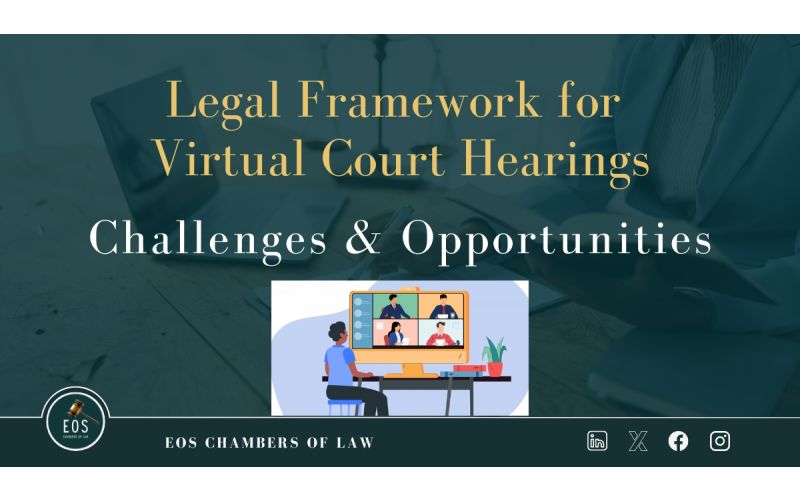
Legal Framework for Virtual Court Hearings: Challenges and Opportunities
|
The advent of virtual court hearings marks a significant evolution in the judicial system, reshaping traditional courtroom dynamics. While this shift brings efficiency and accessibility, it also introduces unique challenges and opportunities that require careful consideration within the legal framework.
The Rise of Virtual Court Hearings
The COVID-19 pandemic accelerated the adoption of virtual hearings in India, with courts embracing technology to ensure the continuity of justice delivery. Platforms like Cisco Webex and Zoom became integral to legal proceedings, allowing cases to proceed despite physical restrictions.
Legal Framework Governing Virtual Courts
- Statutory and Procedural Foundations:
- Information Technology Act, 2000: Provides the legal basis for using electronic records and digital signatures in legal processes.
- Civil Procedure Code (CPC) and Criminal Procedure Code (CrPC): Allow flexibility for courts to adapt procedures to meet technological advancements.
- E-Courts Project:
Initiated under the National Policy and Action Plan for Implementation of Information and Communication Technology (ICT) in Indian Judiciary, this project supports the digitization of court records, case management, and virtual hearings. - Supreme Court Guidelines:
The Supreme Court of India has issued guidelines to regulate virtual court proceedings, ensuring adherence to procedural fairness and transparency.
Opportunities with Virtual Hearings
- Accessibility:
Virtual courts enable individuals in remote areas to participate without the burden of travel, reducing logistical challenges and costs. - Efficiency:
Digital platforms streamline processes, reduce case backlog, and allow for quicker disposal of cases. - Sustainability:
Reducing physical appearances in courtrooms cuts down on travel and resource usage, contributing to environmental sustainability. - Inclusivity:
Technology can enable differently-abled individuals to participate in proceedings more conveniently.
Challenges in Virtual Hearings
- Digital Divide:
Limited access to technology and the internet in rural and economically weaker sections creates disparities in accessing virtual court systems. - Confidentiality and Security:
Concerns about data breaches, unauthorized recordings, and cyber threats pose risks to the sanctity of judicial proceedings. - Technical Barriers:
Connectivity issues, platform glitches, and lack of technical training for legal practitioners hinder the effectiveness of virtual courts. - Procedural Compliance:
Ensuring that virtual hearings comply with existing procedural requirements is challenging, particularly for cross-examination and evidence presentation.
Bridging the Gap: Enhancing Virtual Court Systems
- Infrastructure Development:
Investing in robust digital infrastructure, including secure platforms and high-speed internet, is critical. - Training and Awareness:
Conducting workshops for legal professionals, judges, and court staff to familiarize them with virtual tools. - Legislative Reforms:
Updating procedural laws to accommodate virtual hearings, including clear provisions for evidence submission and witness testimony. - Collaboration with Tech Experts:
Partnering with technology companies to design platforms tailored for judicial needs, with a focus on security and user-friendliness.
Future Outlook
The incorporation of virtual court hearings is not merely a response to a crisis but a step toward a more modern judiciary. A balanced approach that addresses challenges while leveraging the benefits of technology can pave the way for a judicial system that is more inclusive, efficient, and accessible.
By embracing innovation, India’s judiciary can set a global benchmark for justice delivery in the digital age.
Post Categories
Featured Posts







Latest Posts








Latest Posts
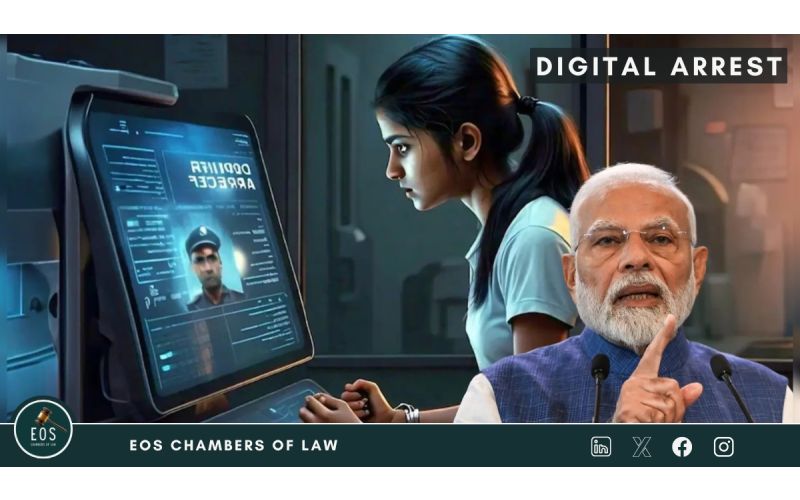
Digital Arrest: Navigating Cyber Crime Laws in India
In today's digital era, the concept of "digital arrest" has taken center stage, reflecting the evolving legal response to cyber crimes in India. With the rise in online fraud, hacking, cyberbullying, and identity theft, the need to protect citizens and ...
Law's Outcome Depends On Who Wields The Law In Their Hands : CJI DY Chandrachud
Chief Justice of India, DY Chandrachud recently spoke on how justice and the outcome of the law depends on who is wielding the law in their hands. When the law is wielded with compassion, it is capable of producing justice, ...
New Training Programme For New Lawyers. By Chief Justice Of India DY CHANDRACHUD 🇮🇳
‘Judges can’t burden lawyers due to uneasiness with technology’: CJI Chandrachud- CJI Chandrachud appealed to judges to continue hybrid hearings, saying that this was not just meant for the Covid-19 pandemic period. Chief Justice of India (CJI) DY Chandrachud on ...

SC removes barrier, allows deaf lawyer Sarah Sunny to argue in sign language; interpreter’s speed amazes CJI, SG
The Supreme Court in India has started allowing sign language interpretation for hearing impaired lawyers, demonstrating that not everything needs to be spoken aloud in court. In a recent case, a deaf advocate was permitted to virtually argue with the ...
Supreme Court Grants Extension Till September 30 To Delhi Government For Finalisation Of Scheme : Two Wheeler Aggregators
The Supreme Court on Monday directed the Delhi government to finalise the Delhi Motor Vehicle Aggregator and Delivery Service Provider Scheme, 2023 for regulation of two wheeler aggregators by September 30. The Division Bench of Justice Aniruddha Bose and Justice ...

FEMA Regulations Simplified: A Guide for NRIs and Businesses
FEMA (Foreign Exchange Management Act) governs cross-border financial transactions in India. Whether you’re an NRI or a foreign company, understanding FEMA is crucial to ensure compliance. ✅ 🔑 Key Areas Covered by FEMA🔹 Investment: Rules for NRIs & foreign investors ...

Speak With Our
Get a Appointment