E-Courts: The Future of Judiciary in India
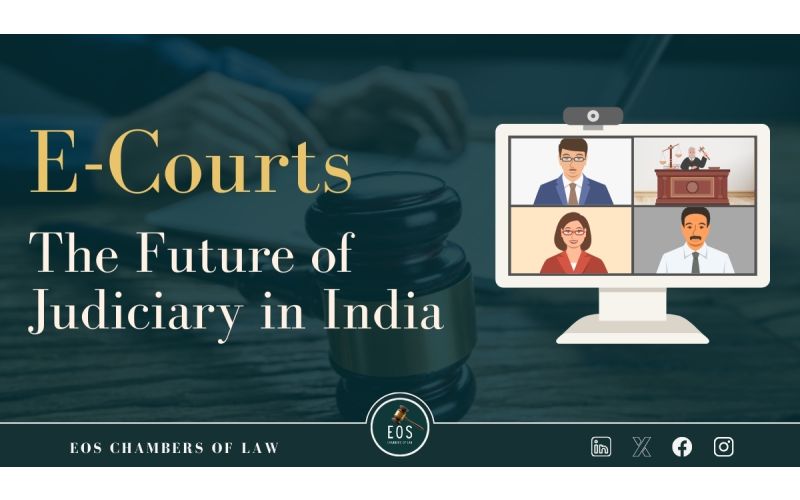
E-Courts: The Future of Judiciary in India
|
India’s judiciary is at a crossroads, with digitization and judicial reforms paving the way for increased efficiency, transparency, and accessibility. The e-Courts initiative, launched by the Indian judiciary under the National e-Governance Plan (NeGP), is a transformative step toward modernizing the country’s legal system.
What is the e-Courts Project?
The e-Courts project aims to provide ICT-enabled services to litigants, lawyers, and the judiciary. It includes the establishment of digital infrastructure in courts, enabling electronic filing (e-filing), virtual hearings, and online access to case information.
Launched in 2007, the initiative is being implemented in three phases:
- Phase I (2007–2015): Focused on computerizing district and subordinate courts and providing basic digital infrastructure.
- Phase II (2015–present): Introduced e-filing, case status portals, and video conferencing facilities.
- Phase III (2021 onwards): Emphasizes judicial process automation, artificial intelligence, and an open data policy.
Key Features of E-Courts
- Online Case Management Systems:
Litigants and lawyers can view case statuses, cause lists, and judgments online, ensuring transparency and reducing physical visits to court. - E-Filing and Virtual Hearings:
Documents can be filed digitally, and virtual courtrooms allow hearings via video conferencing, saving time and resources. - Digital Case Records:
Court records are being digitized to ensure easy access and prevent document loss. - Integrated Online Payment:
Enables litigants to pay court fees and fines digitally.
Benefits of E-Courts
- Enhanced Accessibility:
Rural litigants and those with limited mobility can access judicial services online, reducing disparities in access to justice. - Efficiency:
Digitization speeds up case management, reducing the pendency of cases—a significant issue in India’s overburdened judiciary. - Transparency:
Online case tracking enhances trust in the judicial process by making case information publicly available. - Cost-Effectiveness:
Virtual hearings and e-filing reduce the expenses associated with physical court visits.
Challenges in Implementation
- Digital Divide:
Limited internet access and technological literacy in rural and underprivileged areas hinder the widespread adoption of e-Courts. - Data Security:
Protecting sensitive judicial data from cyber threats is a critical concern. - Resistance to Change:
Traditionalists within the legal fraternity may resist adopting new technologies. - Infrastructure Gaps:
Many courts still lack adequate digital infrastructure and trained personnel.
The Way Forward
- Capacity Building:
Training programs for judges, lawyers, and court staff will facilitate smoother adoption of e-Courts. - Public Awareness:
Outreach initiatives to educate litigants about the benefits and use of e-Courts can bridge the digital divide. - Robust Cybersecurity Measures:
Implementing stringent data protection policies will safeguard sensitive information. - AI Integration:
Leveraging artificial intelligence for predictive case management, legal research, and decision support can revolutionize the judiciary.
Conclusion
E-Courts represent a monumental leap toward a more accessible, efficient, and transparent judiciary in India. While challenges persist, a phased approach to implementation, coupled with investments in digital infrastructure and public awareness, will ensure the judiciary evolves in tandem with technological advancements.
The e-Courts initiative is not just a step forward; it’s the foundation for a judicial system that is future-ready, equitable, and just.
Post Categories
Featured Posts








Latest Posts








Latest Posts
ADR in Family Law: Benefits and Challenges
Alternative Dispute Resolution (ADR) has become a pivotal tool in family law, offering a way to resolve disputes without the need for contentious court battles. At Eos Chambers, we've observed the growing reliance on ADR methods such as mediation, arbitration, ...
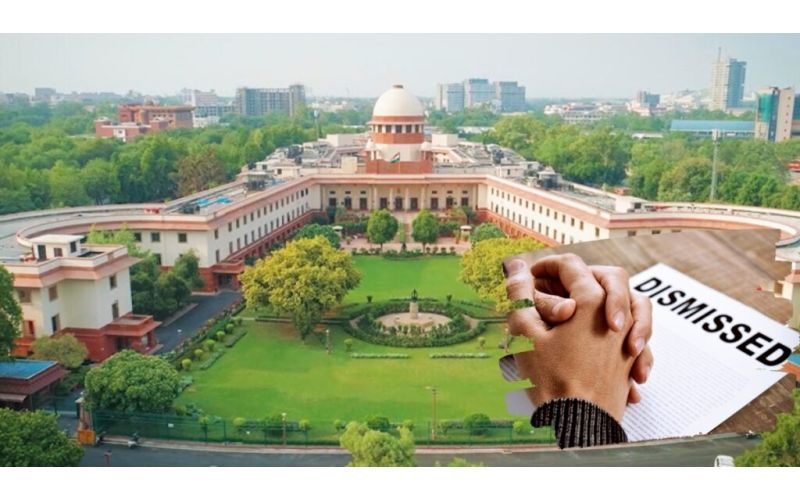
2020 Delhi Riots: SC Dismisses Delhi Police’s Pleas Against HC Verdicts Granting Bail To Three Student Activists
The Supreme Court on Tuesday dismissed the pleas filed by the Delhi Police against the bail granted to three student activists in the 2020 North East Delhi riots case. A bench of Justices S K Kaul and A Amanullah passed the order ...

ED Summons: What to Do & What NOT to Do (Complete Legal Guide – 2026)
Receiving a summons from the Enforcement Directorate (ED) can be stressful and confusing for individuals, business owners, and company directors. However, understanding your legal rights and obligations can help you respond effectively and avoid serious consequences. This guide explains what ...
Startups and Legal Compliance: A Guide to Navigating Indian Laws🏛️
Starting a business in India is an exciting journey filled with opportunities and challenges. One critical aspect that often poses a challenge for startups is navigating the complex landscape of legal compliance. Understanding and adhering to the various laws and ...

Parliament Passes Forest (Conservation) Amendment Bill, 2023
After opposition walked out over their demands for discussion on Manipur Violence, the Rajya Sabha passed the contentious Forest (Conservation) Amendment Bill, 2023 today. It aims to amend certain provisions under the Forest (Conservation) Act, 1980, to extend and exempt ...
Recruitment Process -Last Date To Fulfil Eligibility Criteria Is Last Date To Submit Applications, In The Absence Of Any Specific Rule: Supreme Court
The Supreme Court emphasized that where there is an absence of any specific rule or prescription, the last day for fulfilling eligibility is the last date of submission of the application. The Court made the observation while refusing the benefit ...

Speak With Our
Get a Appointment