
Blog Posts

Legal Ethics & Professionalism: Building Trust in the Legal Industry
🔹 Integrity. Accountability. Confidentiality. These pillars define a true legal professional. But in today’s fast-paced legal landscape, how do we maintain them? ✔ Upholding Client Confidentiality: A lawyer’s duty is to protect sensitive information—breaching it damages trust.✔ Avoiding Conflicts of ...

𝐖𝐡𝐲 𝐋𝐞𝐠𝐚𝐥 𝐃𝐮𝐞 𝐃𝐢𝐥𝐢𝐠𝐞𝐧𝐜𝐞 𝐢𝐬 𝐂𝐫𝐮𝐜𝐢𝐚𝐥 𝐁𝐞𝐟𝐨𝐫𝐞 𝐀𝐧𝐲 𝐁𝐮𝐬𝐢𝐧𝐞𝐬𝐬 𝐌𝐞𝐫𝐠𝐞𝐫
Why Legal Due Diligence is Crucial Before Any Business Merger 📢 Planning a merger or acquisition? Don’t skip legal due diligence—it can make or break the deal! Here’s why: 🔎 What is Legal Due Diligence?It’s a comprehensive review of a ...

Estate Planning and Succession Laws for NRIs: A Comprehensive Guide
Estate Planning and Succession Laws for NRIs: A Comprehensive Guide Estate planning is not just a necessity; it's a critical step in securing your family’s future, ensuring the seamless transfer of assets, and minimizing legal complications. For Non-Resident Indians (NRIs), ...

Legal Challenges in NRI Marriages
Introduction Non-Resident Indian (NRI) marriages, while often joyous, can also bring a unique set of legal challenges. These challenges stem from cross-border legal systems, differing cultural expectations, and complex family dynamics. Understanding these issues is crucial for NRIs and their ...
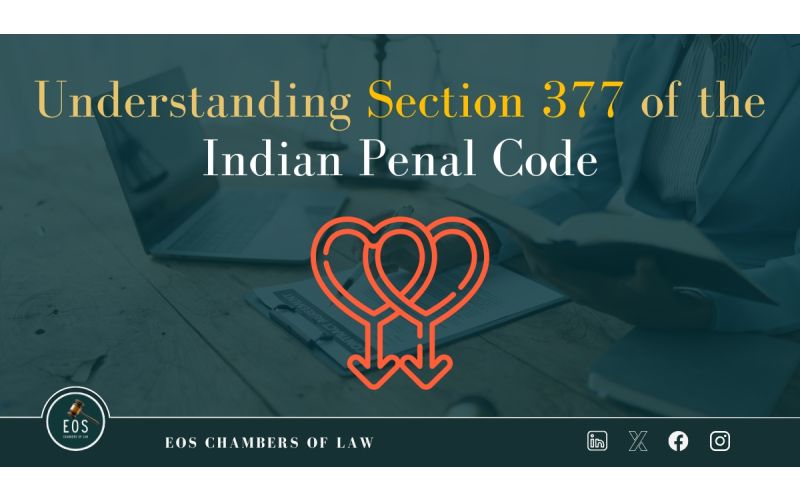
Understanding Section 377 of the Indian Penal Code
Section 377 of the Indian Penal Code, a colonial-era law, criminalized "unnatural offenses," including consensual same-sex relationships. However, in a historic judgment on September 6, 2018, the Supreme Court of India decriminalized consensual homosexual acts between adults, marking a significant ...

Legal Framework for Virtual Court Hearings: Challenges and Opportunities
The advent of virtual court hearings marks a significant evolution in the judicial system, reshaping traditional courtroom dynamics. While this shift brings efficiency and accessibility, it also introduces unique challenges and opportunities that require careful consideration within the legal framework. ...
AI and Big Data in Legal Case Management
The integration of artificial intelligence (AI) and big data into legal case management is revolutionizing the way law firms and legal professionals operate. These technologies offer unprecedented opportunities to streamline processes, enhance decision-making, and improve client outcomes. The Role of ...
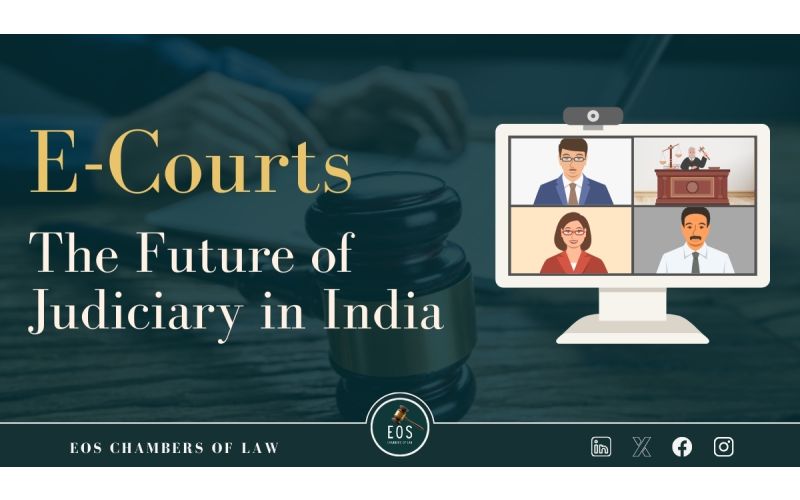
E-Courts: The Future of Judiciary in India
India’s judiciary is at a crossroads, with digitization and judicial reforms paving the way for increased efficiency, transparency, and accessibility. The e-Courts initiative, launched by the Indian judiciary under the National e-Governance Plan (NeGP), is a transformative step toward modernizing ...

Evolving Social and Constitutional Rights for LGBTQ+ Communities
The journey toward equality for LGBTQ+ communities in India has been marked by significant legal and social milestones. From the decriminalization of same-sex relationships to ongoing debates about marriage equality and adoption rights, the evolution of LGBTQ+ rights reflects the ...

Adoption Rights for LGBTQ+ Couples: Legal Challenges in India
We recognize that the right to adopt is one of the most debated and sensitive issues for LGBTQ+ couples in India. Despite increasing societal awareness and progressive judicial rulings, the Indian legal framework still presents substantial challenges for LGBTQ+ individuals ...
Post Categories
Featured Posts








Latest Posts








Latest Posts

ED Summons Under PMLA: What to Do and What Not to Do (Complete Legal Guide)
Receiving a summons from the Enforcement Directorate (ED) under the Prevention of Money Laundering Act, 2002 (PMLA) can be intimidating. For many individuals—business owners, directors, promoters, professionals, or even family members—an ED summons creates panic, confusion, and fear of arrest. ...
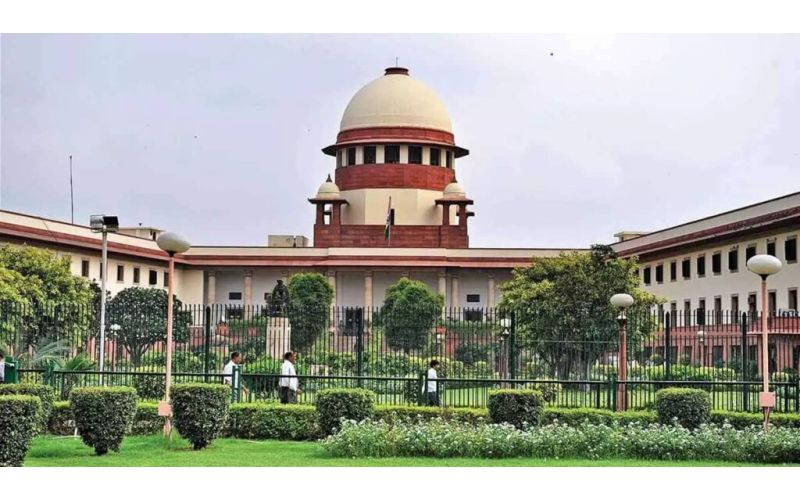
Adultery No Longer A Criminal Offence In India, Rules Supreme Court
The Rajya Sabha has passed the Jammu and Kashmir The court underlined that Section 497 treats women as properties of their husbands and is hence manifestly discriminatory. It trashed the central government’s defense of Section 497 that it protects sanctity ...

DBS Bank Directors Can’t Be Prosecuted For Acts Of Lakshmi Vilas Bank Before Amalgamation : Supreme Court Quashes Criminal Case
The Supreme Court today ruled that DBS Bank and its directors, who were appointed after the amalgamation with Lakshmi Vilas Bank(LVB) and had their appointments approved by the Reserve Bank of India (RBI), cannot be held criminally liable for actions ...

'No right for queer couples to jointly adopt’: SC in same-sex marriage verdict
The CJI said the law didn't preclude unmarried couples from adopting.Chief Justice of India DY Chandrachud, while announcing his verdict on a clutch of petitions demanding legal status to same-sex marriages, today struck down the Central Adoption Resource Authority's (CARA) ...

Companies Act – Decision To Allot Additional Shares Cannot Be Set Aside Merely Because Promoters Have Also Benefited: Supreme Court
The Supreme Court has upheld the largely disproportionate allotment of rights share in favour of one group of shareholders of a private limited company, substantially increasing its shareholding percentage in the company over other group of shareholders.The bench comprisingJustices K.M. ...
𝐍𝐚𝐯𝐢𝐠𝐚𝐭𝐢𝐧𝐠 𝐏𝐫𝐨𝐩𝐞𝐫𝐭𝐲 𝐃𝐢𝐬𝐩𝐮𝐭𝐞𝐬 𝐢𝐧 𝐈𝐧𝐝𝐢𝐚: 𝐀 𝐋𝐞𝐠𝐚𝐥 𝐆𝐮𝐢𝐝𝐞 𝐟𝐨𝐫 𝐍𝐑𝐈𝐬 🏡
Property disputes can be particularly challenging for Non-Resident Indians (NRIs) who may face issues like illegal possession, inheritance conflicts, and unclear property titles. Managing these disputes from abroad adds further complexity. Here are some essential legal tips for NRIs to ...

Speak With Our
Get a Appointment