Supreme court
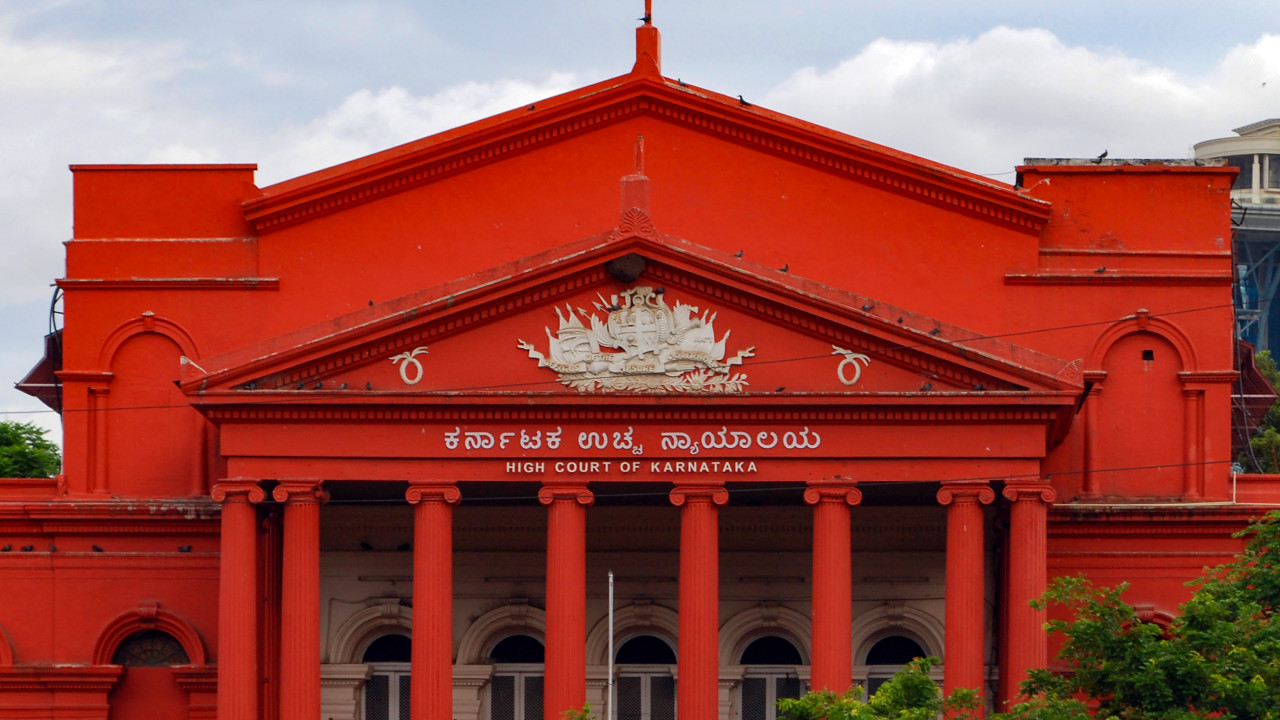
Supreme Court Rules on Right to Protest and Freedom of Speech
The Supreme Court of India has recently ruled that the right to protest and freedom of speech are fundamental rights that are essential to a democratic society, and that any restrictions on these rights must be reasonable and justified. Background: The case involved a challenge to a law that restricted the right to protest and freedom of speech in a particular area. Parties: The petitioners were represented by advocate Colin Gonsalves, while the government was represented by Attorney General K.K. Venugopal. Legal issues: The main issue before the court was whether the law was constitutional and whether it imposed unreasonable restrictions on the right to protest and freedom of speech. Court observations: The court observed that the right to protest and freedom of speech are fundamental rights that are essential to a democratic society, and that any restrictions on these rights must be reasonable and justified. The court also noted that the law was overly broad and imposed unreasonable restrictions on the right to protest and freedom of speech. Significance: This judgment is significant as it reinforces the importance of the right to protest and freedom of speech in a democratic society. The court's decision will have implications for the exercise of these rights and will likely influence the development of laws and policies related to freedom of speech and assembly. The judgment also highlights the need for a nuanced and context-specific approach to regulating the right to protest and freedom of speech, and the importance of ensuring that any restrictions on these rights are reasonable and justified.