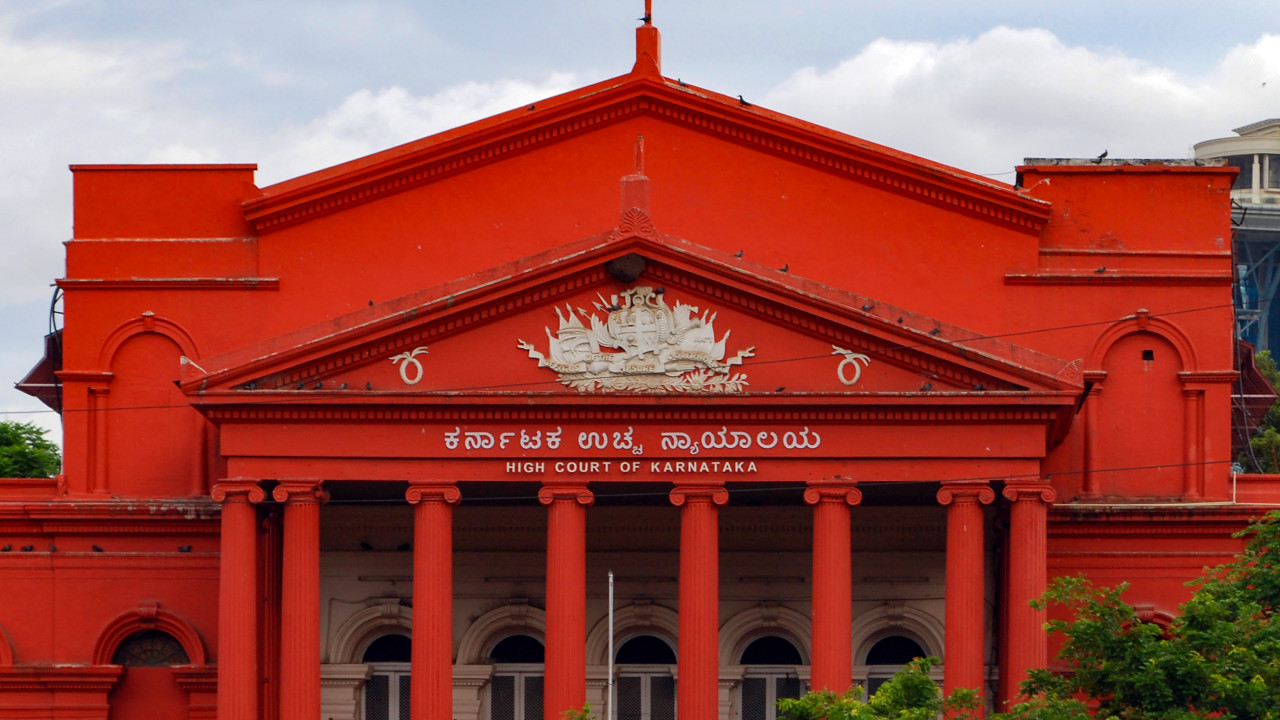
Supreme court
Supreme Court Rules on Maintainability of Plea Against NJAC Act
The Supreme Court of India has ruled on the maintainability of a plea challenging the constitutional validity of the National Judicial Appointments Commission (NJAC) Act. Background: The case began when a petition was filed challenging the NJAC Act, which aimed to replace the collegium system for appointing judges to higher judiciary. Parties: The petitioners, including several lawyers and activists, argued that the NJAC Act was unconstitutional and undermined the independence of the judiciary. The respondents, the government, argued that the NJAC Act was necessary to improve the process of judicial appointments. Legal issues: The main issue before the court was whether the plea was maintainable and whether the NJAC Act was constitutional. The court observed that the plea was maintainable and that the NJAC Act was liable to be struck down. The court also noted that the collegium system, despite its flaws, was a better system for ensuring the independence of the judiciary. Significance: The ruling has significant implications for the process of judicial appointments in India. The court's decision emphasizes the importance of protecting the independence of the judiciary and ensuring that the process of judicial appointments is transparent and accountable. The judgment is expected to influence the development of India's judicial appointments system and ensure that the collegium system is reformed to make it more transparent and accountable. The court's ruling has been welcomed by lawyers and activists, who argue that it is a crucial step towards promoting the independence of the judiciary and upholding the rule of law in India. The case is a landmark example of the Supreme Court's role in protecting the independence of the judiciary and promoting transparency and accountability in the process of judicial appointments.