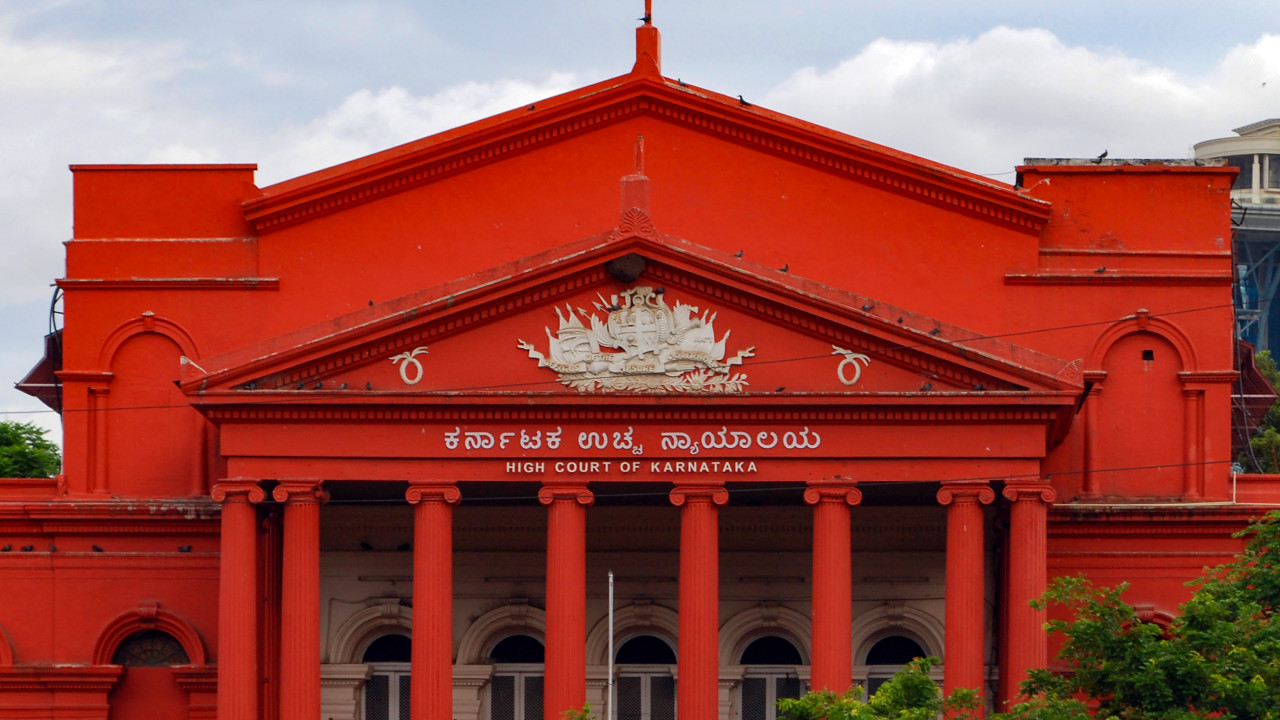
Supreme court
Supreme Court Upholds Maharashtra Government's Decision to Grant Quota to Marathas
The Supreme Court of India has recently upheld the Maharashtra government's decision to grant a 12% quota to the Maratha community in government jobs and education. The court ruled that the decision was constitutional and did not violate the principles of equality. The judgment was delivered by a five-judge bench, which heard a batch of petitions challenging the Maharashtra State Reservation (of seats for admission in educational institutions in the State and for appointments in the public services and posts under the State) for Socially and Educationally Backward Classes (SEBC) Act, 2018. The Act provided for a 12% reservation for the Maratha community in government jobs and education. The petitioners had argued that the reservation was unconstitutional and would lead to a breach of the 50% ceiling on reservations. However, the court rejected this argument, stating that the decision was based on a thorough examination of the community's social and economic status. The court also noted that the reservation was not a blanket quota, but rather a targeted measure to address the specific needs of the Maratha community. The judgment is significant, as it upholds the government's decision to provide reservations to a community that has been historically disadvantaged. The court's decision is also likely to have implications for other states, which may consider implementing similar reservations for their own communities. The judgment has been welcomed by the Maratha community, which has been demanding reservations for many years. However, the decision has also been criticized by some, who argue that it will lead to a further fragmentation of Indian society. The court's decision is a significant development in the ongoing debate over reservations in India, and is likely to have far-reaching implications for the country's social and economic landscape. The judgment is also a testament to the court's commitment to upholding the principles of social justice and equality. The court's decision is likely to be studied by scholars and policymakers, who will be keen to understand the implications of the judgment for the country's reservation policy. The judgment is also likely to be cited in future cases, as a precedent for the court's approach to reservations and social justice. Overall, the Supreme Court's decision to uphold the Maharashtra government's decision to grant a quota to the Maratha community is a significant development, which is likely to have far-reaching implications for Indian society and politics.