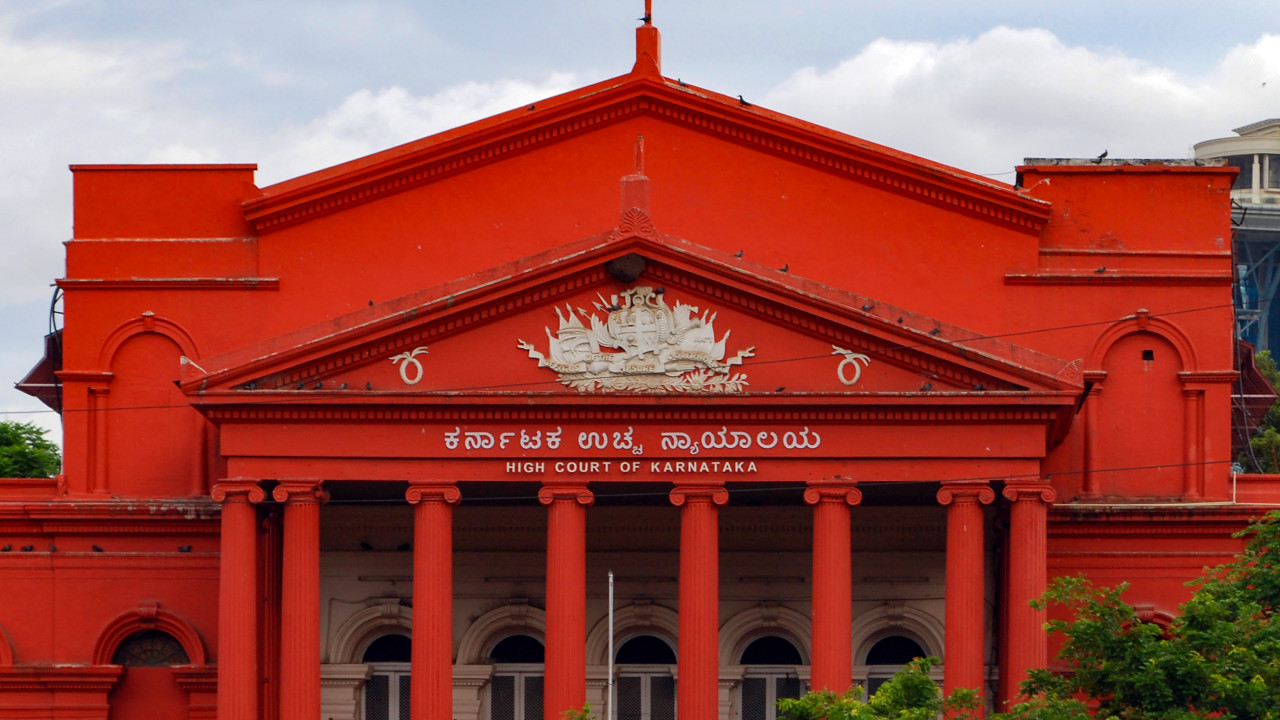
High court
Delhi High Court Dismisses Plea Against Central Vista Project
The Delhi High Court has dismissed a plea challenging the Central Vista project, which aims to redevelop the Central Vista area in New Delhi. The project involves the construction of a new Parliament building, a common central secretariat, and the redevelopment of the Rajpath and the India Gate complex. The petitioners had argued that the project was being carried out without proper environmental clearance and in violation of the Environmental Impact Assessment (EIA) notification, 2006. However, the court observed that the project had received all necessary clearances and that the petitioners had not been able to show any violation of the EIA notification. The court also noted that the project was of national importance and that it was not for the court to decide on the merits of the project. The dismissal of the plea is a significant development in the project, which has been a subject of controversy and debate. The project has been criticized by many, including opposition parties and environmental groups, who have raised concerns about the impact of the project on the environment and the heritage of the area. On the other hand, the government has argued that the project is necessary to provide modern and efficient infrastructure for the functioning of the government. The court's decision is likely to pave the way for the project to move forward, although it is likely to be challenged in the Supreme Court. The project is expected to be completed by 2024 and is estimated to cost around Rs 13,000 crore. The court's decision has been welcomed by the government, which has said that it will ensure that the project is carried out in a transparent and environmentally sustainable manner. However, the opposition parties and environmental groups have expressed disappointment and have vowed to continue their fight against the project. The case has highlighted the need for a balanced approach to development and environmental protection, and the importance of ensuring that large-scale projects are carried out in a manner that is consistent with the principles of sustainable development. The court's decision is also significant in the context of the ongoing debate about the role of the judiciary in environmental cases, and the need for the judiciary to strike a balance between the need for development and the need to protect the environment. In recent years, the judiciary has played an increasingly important role in environmental cases, and the Delhi High Court's decision in this case is likely to be seen as an important milestone in this regard. The case has also highlighted the importance of public participation in environmental decision-making, and the need for the government to ensure that the public is consulted and involved in the decision-making process. Overall, the Delhi High Court's decision in this case is a significant development in the ongoing debate about the Central Vista project, and is likely to have important implications for the future of the project and for the development of the area.