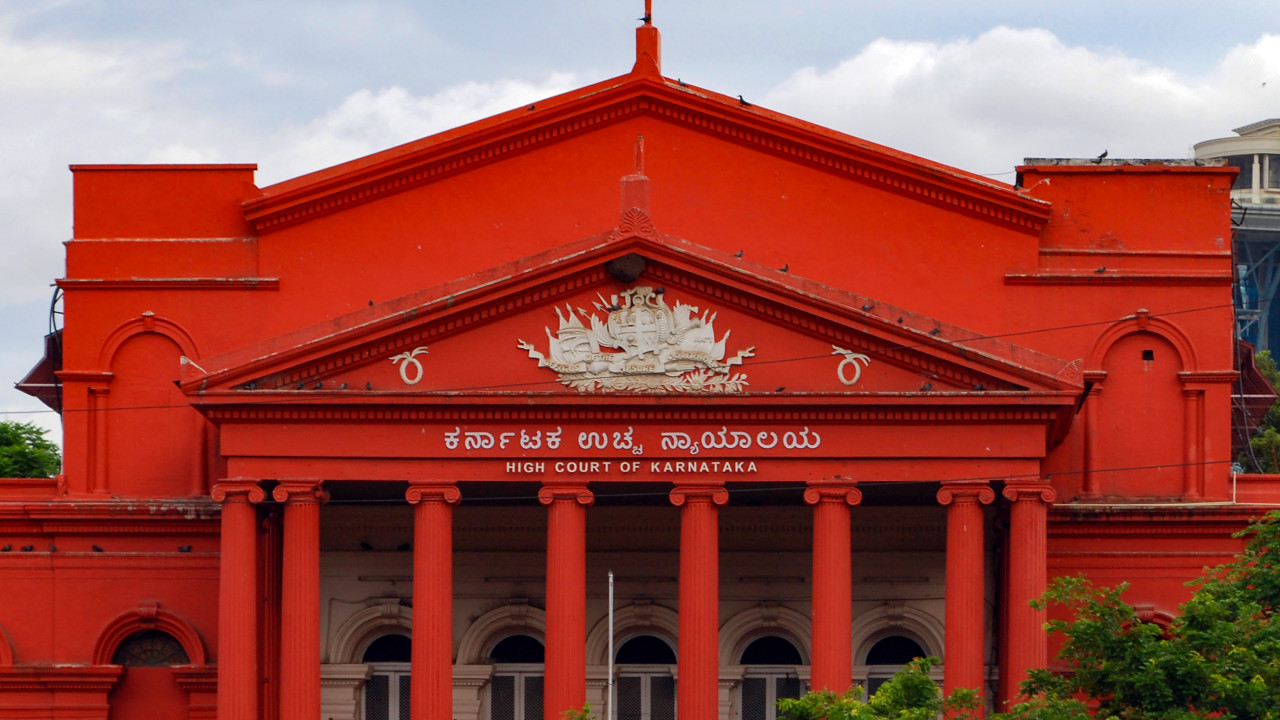
Supreme court
Supreme Court Rules on Maintainability of Plea Against Reservation Policy
The Supreme Court of India has ruled on the maintainability of a plea challenging the reservation policy of a state government. A three-judge bench of the court, led by Justice A.M. Khanwilkar, was hearing a petition filed by a group of students who had challenged the reservation policy of the state government. The court observed that the reservation policy was a matter that fell within the exclusive domain of the state government and that the court should not interfere with the policy unless there were exceptional circumstances. The court held that the petition was maintainable and that the court could examine the reservation policy of the state government. The judgment is significant as it comes at a time when there are growing concerns about the reservation policy in India and the need for clarity on the issue. The court's decision is expected to have far-reaching implications for the reservation policy in India and is likely to lead to significant changes in the way in which reservations are implemented. The judgment has been welcomed by social justice activists, who have been arguing that the reservation policy is essential for promoting social justice and equality. The court's decision has also sparked a debate on the need for a more nuanced approach to reservations and the need for a more effective implementation of the reservation policy. The judgment is also significant as it highlights the importance of upholding the principles of social justice and equality. The Supreme Court's decision is expected to have a major impact on the reservation policy in India and is likely to lead to significant changes in the way in which reservations are implemented. The court's decision has been hailed as a victory for social justice, with many arguing that it will help to promote social justice and equality.