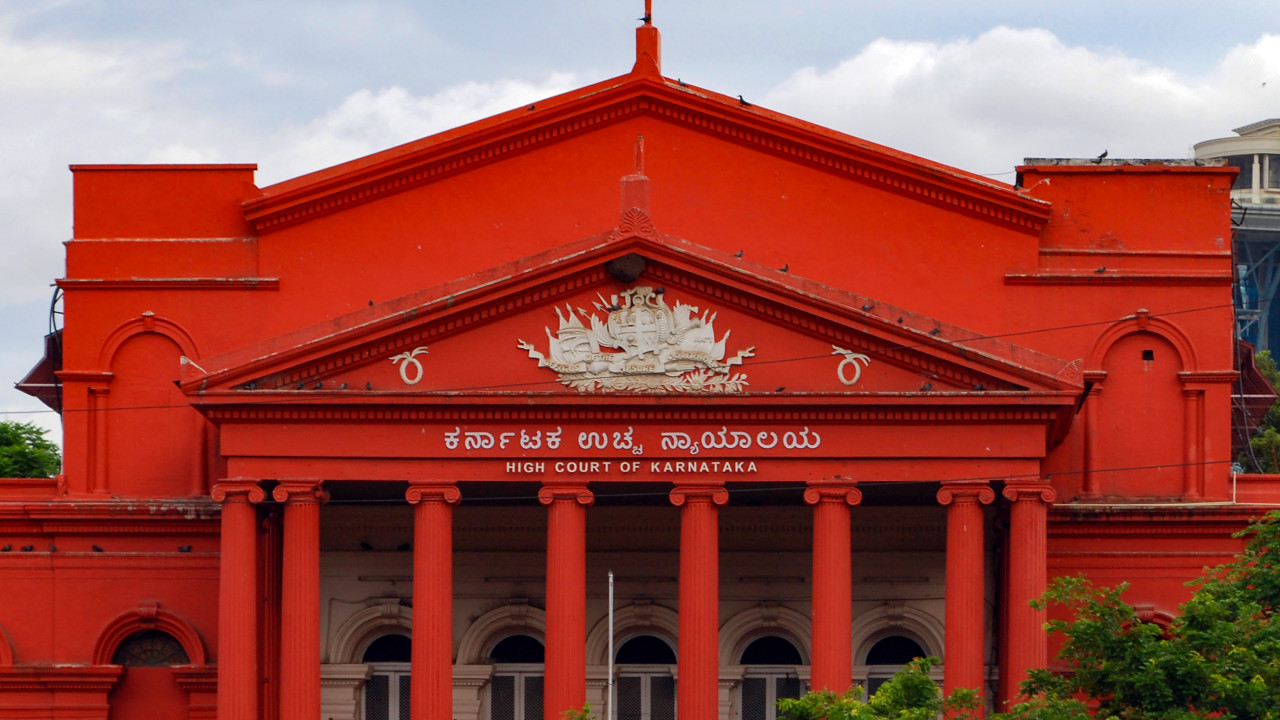
Supreme court
Supreme Court Directs States to Implement One Nation, One Ration Card Scheme
The Supreme Court of India has directed the states to implement the One Nation, One Ration Card (ONORC) scheme, which aims to provide subsidized food grains to beneficiaries across the country. A three-judge bench, headed by Chief Justice S A Bobde, passed the order, stating that the scheme would help to reduce poverty and hunger, and to promote food security. The court directed the states to implement the scheme within a period of six months, and to ensure that all beneficiaries are covered under the scheme. The Supreme Court's decision is significant, as it marks a major effort to address the challenges of poverty and hunger in India. The court's order has been welcomed by civil society groups and anti-poverty organizations, who have hailed it as a victory for the right to food and the dignity of the poor. The case has also sparked a debate on the need for a more robust and effective response to poverty and hunger, and the importance of prioritizing the needs of the most vulnerable sections of society. The Supreme Court's decision has raised questions about the extent to which the government can prioritize the implementation of the ONORC scheme, and the need for more robust mechanisms for monitoring and evaluating the scheme's effectiveness. The case is a reminder of the challenges that India faces in its efforts to promote food security and reduce poverty, and the importance of judicial oversight and accountability in ensuring that the government responds effectively to these challenges. As the country continues to grapple with the issue of poverty and hunger, the Supreme Court's decision serves as a powerful reminder of the importance of promoting the right to food and the dignity of the poor. The case has also highlighted the need for greater awareness and education about issues of poverty and hunger, as well as the importance of supporting and empowering civil society groups and anti-poverty organizations. Ultimately, the Supreme Court's decision is a testament to the power of the law to promote the right to food and the dignity of the poor, and to hold the government accountable for its actions. The case is likely to have significant implications for the future of poverty reduction and food security in India, and will be closely watched by civil society groups and anti-poverty organizations around the world.