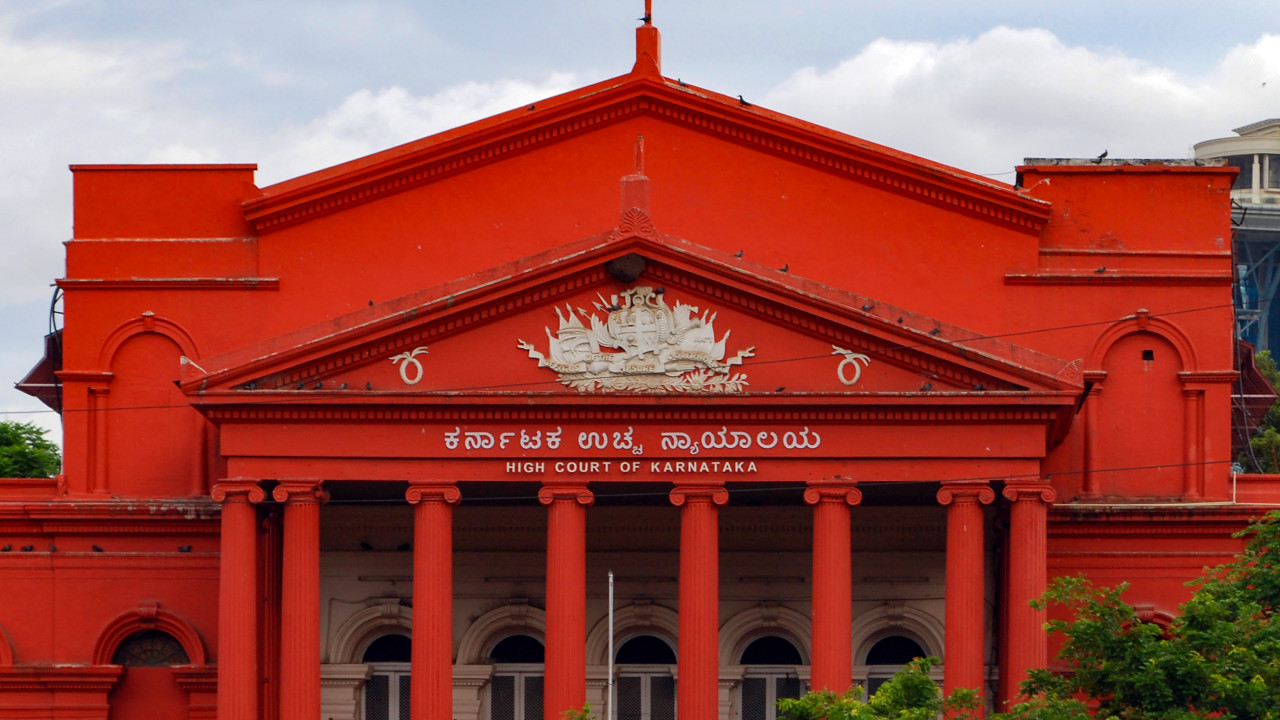
Supreme court
Supreme Court Directs Centre to Frame Policy on COVID-19 Vaccination
The Supreme Court of India has directed the Centre to frame a policy on COVID-19 vaccination, which would ensure that the vaccine is distributed fairly and efficiently across the country. A three-judge bench, headed by Chief Justice S A Bobde, passed the order, stating that the policy should prioritize the vaccination of vulnerable groups, such as healthcare workers, frontline workers, and those above the age of 60. The court also directed the Centre to consider the issue of vaccine pricing and to ensure that the vaccine is made available at an affordable price. The Supreme Court's decision is significant, as it marks a major effort to address the challenges posed by the COVID-19 pandemic. The court's order has been welcomed by health experts and civil society groups, who have hailed it as a victory for public health and the right to life. The case has also sparked a debate on the need for a more robust and effective response to the pandemic, and the importance of prioritizing the vaccination of vulnerable groups. The Supreme Court's decision has raised questions about the extent to which the government can prioritize the vaccination of certain groups, and the need for more robust mechanisms for vaccine distribution and delivery. The case is a reminder of the challenges that India faces in its efforts to combat the pandemic, and the importance of judicial oversight and accountability in ensuring that the government responds effectively to public health crises. As the country continues to grapple with the issue of COVID-19 vaccination, the Supreme Court's decision serves as a powerful reminder of the importance of transparency, accountability, and fairness in the distribution of vaccines. The case has also highlighted the need for greater awareness and education about issues of COVID-19 vaccination and public health, as well as the importance of supporting and empowering health experts and civil society groups. Ultimately, the Supreme Court's decision is a testament to the power of the law to protect the right to life and public health, and to hold the government accountable for its actions. The case is likely to have significant implications for the future of COVID-19 vaccination in India, and will be closely watched by health experts and civil society groups around the world.