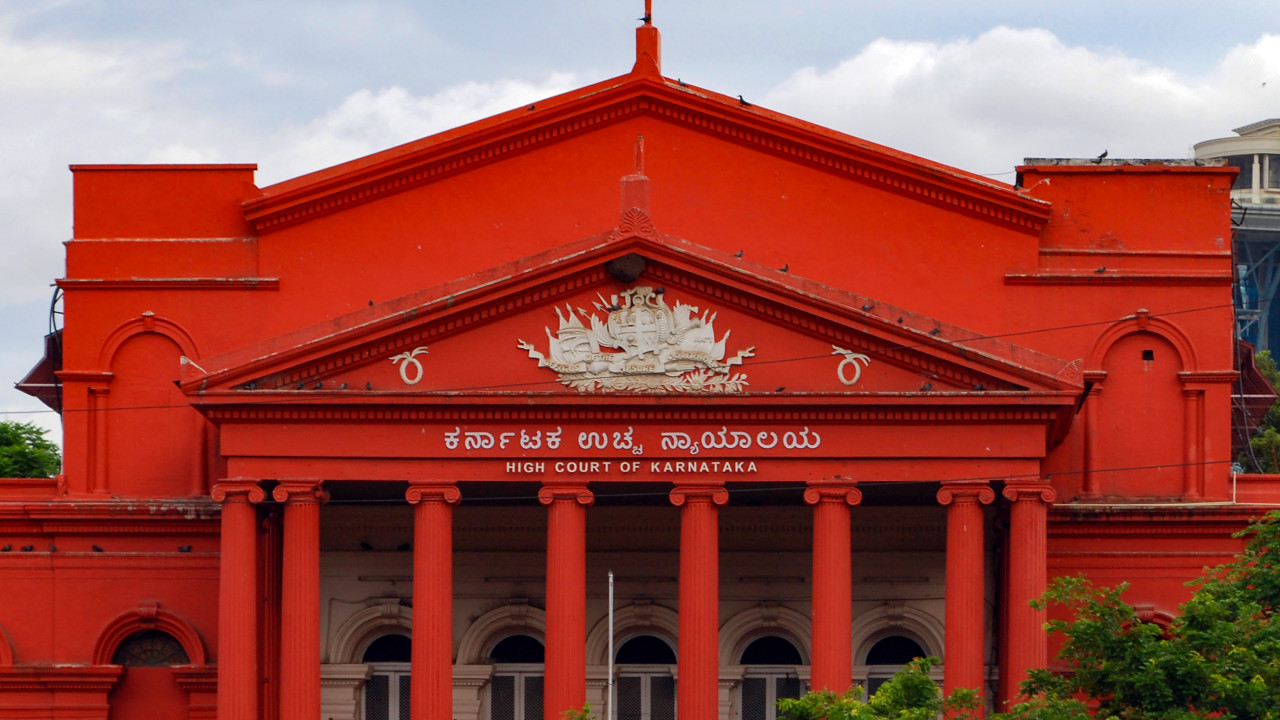
Supreme court
Supreme Court Orders Probe into Alleged Misuse of Pegasus Spyware
The Supreme Court of India has ordered an investigation into the alleged misuse of Pegasus spyware, which was reportedly used to snoop on journalists, activists, and politicians. A three-judge bench, headed by Chief Justice N V Ramana, directed the court to appoint an expert committee to probe the allegations. The committee will be headed by a retired Supreme Court judge and will include experts in the fields of cybersecurity, digital forensics, and telecommunications. The court's decision comes in response to a batch of petitions filed by journalists, activists, and politicians, who alleged that they were targeted by the spyware. The petitioners claimed that the government had used the spyware to infringe on their right to privacy and freedom of speech. The Supreme Court's order is significant, as it marks the first time that the court has intervened in a case involving allegations of surveillance and espionage. The court's decision has been welcomed by civil liberties groups and opposition parties, who have hailed it as a victory for democracy and human rights. The case has also sparked a debate on the need for greater transparency and accountability in the use of surveillance technology. The Supreme Court's order has raised questions about the extent to which the government can use surveillance technology to gather information about citizens, and the need for robust safeguards to protect individual privacy and freedom of speech. The case is a reminder of the challenges that India faces in balancing national security concerns with the need to protect individual rights and freedoms. As the country continues to grapple with the issue of surveillance and espionage, the Supreme Court's decision serves as a powerful reminder of the importance of judicial oversight and the need for transparency and accountability in government actions. The case has also highlighted the need for greater awareness and education about issues of surveillance and digital privacy, as well as the importance of supporting and empowering civil liberties groups and human rights activists. Ultimately, the Supreme Court's decision is a testament to the power of the law to protect individual rights and freedoms, and to hold the government accountable for its actions. The case is likely to have significant implications for the future of surveillance and espionage in India, and will be closely watched by civil liberties groups and human rights activists around the world.