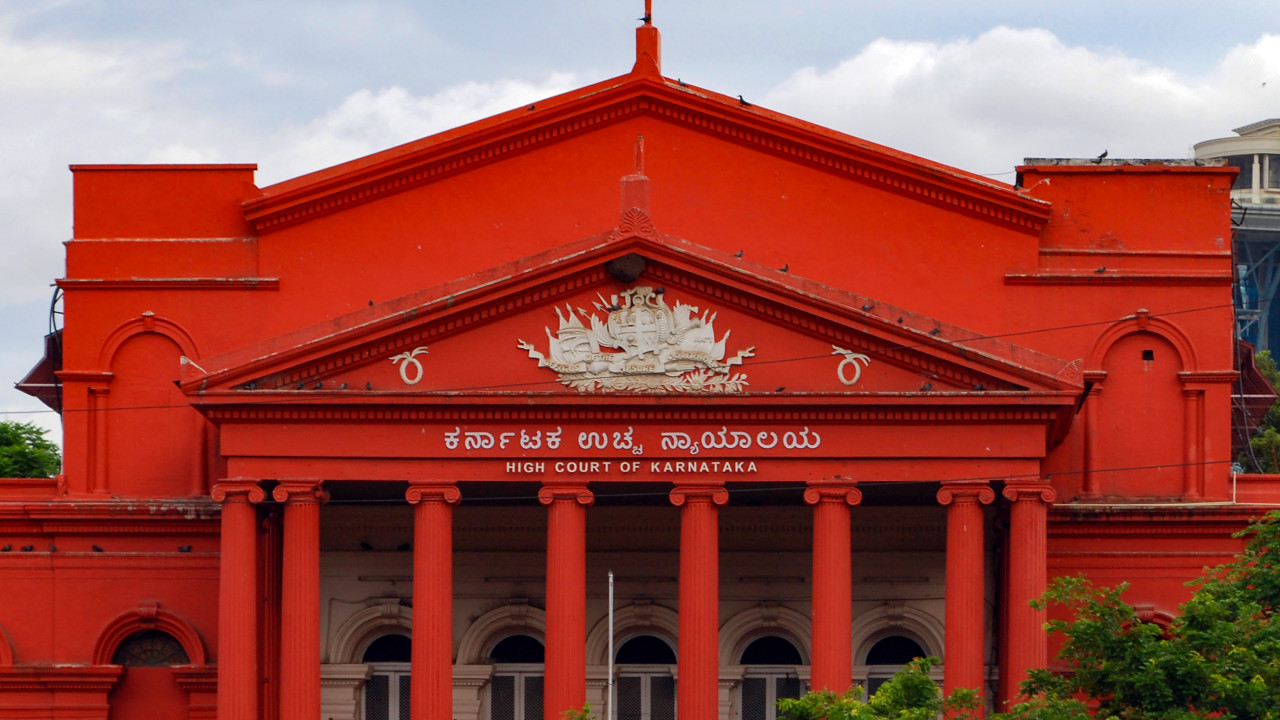
Supreme court
Supreme Court Orders Government to Provide Compensation to Victims of 1984 Sikh Riots
The Supreme Court of India has ordered the government to provide compensation to the victims of the 1984 Sikh riots. A bench of three judges, headed by Justice Sanjiv Khanna, was hearing a petition that sought compensation for the victims of the riots. The court observed that the government's failure to provide compensation was a violation of the victims' right to life and liberty. The petitioners had argued that the government's inaction was a result of a lack of political will and that the victims had been denied justice for over three decades. The court noted that the 1984 Sikh riots were a 'carnage of unimaginable proportions' and that the government's response was inadequate. The court also observed that the government's failure to provide compensation was a breach of its constitutional duty to protect the lives and liberties of its citizens. This judgment is significant as it marks a major step towards providing justice and compensation to the victims of the 1984 Sikh riots. The ruling is expected to benefit thousands of victims who were previously denied compensation. The judgment is also expected to have implications for the rights of victims of other communal riots and massacres in India. The court's decision is a significant development in the ongoing struggle for justice and accountability in India and is expected to have far-reaching implications for the country's social and political landscape. The judgment is also expected to influence the government's policies on compensation and rehabilitation for victims of communal violence. The court's decision is a significant victory for the victims of the 1984 Sikh riots and is expected to have a major impact on the lives of thousands of people who were affected by the riots. Overall, the Supreme Court's decision is a significant step towards achieving justice and accountability and is expected to have major implications for the country's social and political landscape. The judgment is a major milestone in the struggle for justice and accountability and is expected to inspire further reforms and initiatives to promote justice and rehabilitation for victims of communal violence in India.