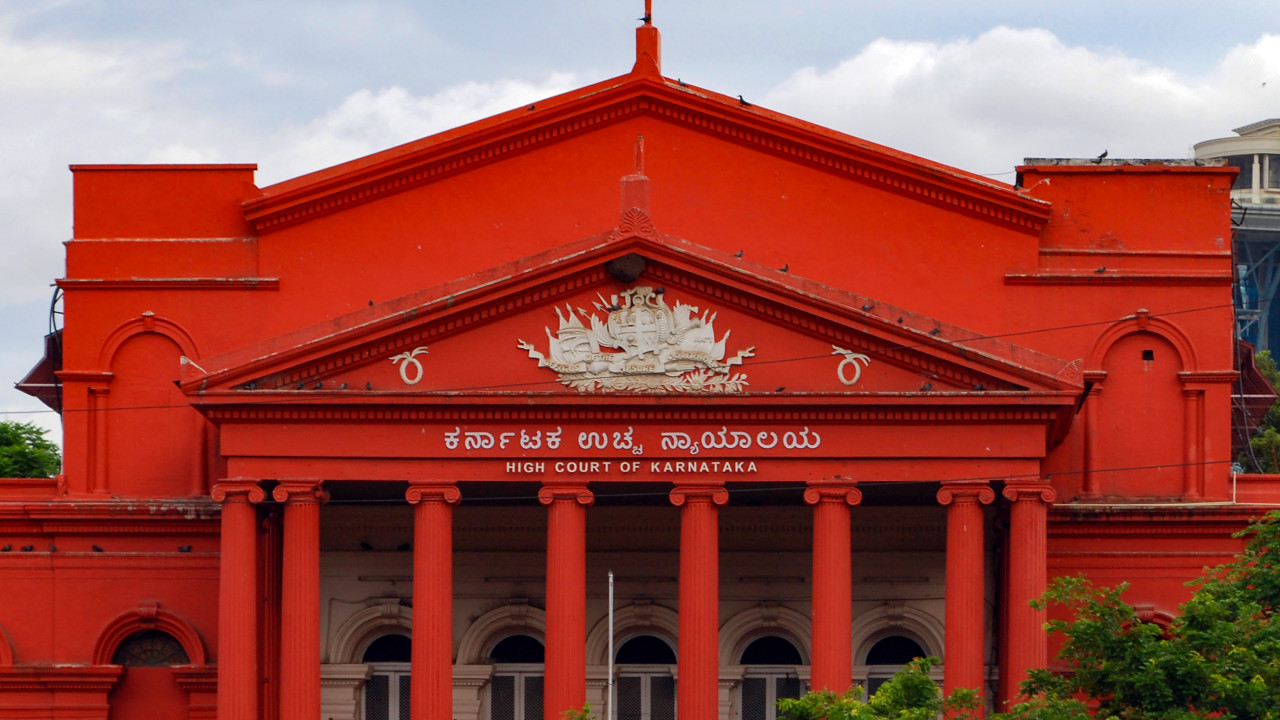
Supreme court
Supreme Court Orders Release of Prisoners to Decongest Jails
The Supreme Court of India has ordered the release of prisoners to decongest jails, which have been overcrowded due to the COVID-19 pandemic. The court's decision comes after a batch of petitions were filed, highlighting the poor conditions in Indian jails and the risk of COVID-19 transmission among prisoners. The petitioners had argued that the overcrowding in jails was a violation of the right to life and liberty, which is a fundamental right under the Indian Constitution. The government had argued that it was taking steps to decongest jails, but the court observed that more needed to be done to address the crisis. The court has ordered the release of prisoners who have been convicted of minor offenses and who have served a significant portion of their sentence. The court has also ordered the release of undertrial prisoners who have been in jail for a long time. The court's decision is significant as it highlights the importance of protecting the rights of prisoners in India. The COVID-19 pandemic has highlighted the vulnerability of prisoners to infection, and the court's decision is expected to provide relief to thousands of prisoners who are at risk. The court's decision is also expected to have implications for the government's policies on prison reform and is likely to lead to a more humane and just approach to criminal justice. The Supreme Court's decision is a landmark judgment, which is expected to shape the future of prison reform in India. The court's decision is also expected to have implications for other countries, where similar challenges have been faced. The judgment is a significant step towards protecting human rights in India and is likely to have a positive impact on the country's democracy. The Supreme Court's decision has been welcomed by human rights organizations, which have been demanding prison reform in India. The judgment is a significant victory for the human rights movement, which has been advocating for the rights of prisoners. The court's decision is expected to provide a new opportunity for dialogue and negotiation between the government and human rights organizations, and is likely to lead to a more equitable and just solution for prisoners in India.