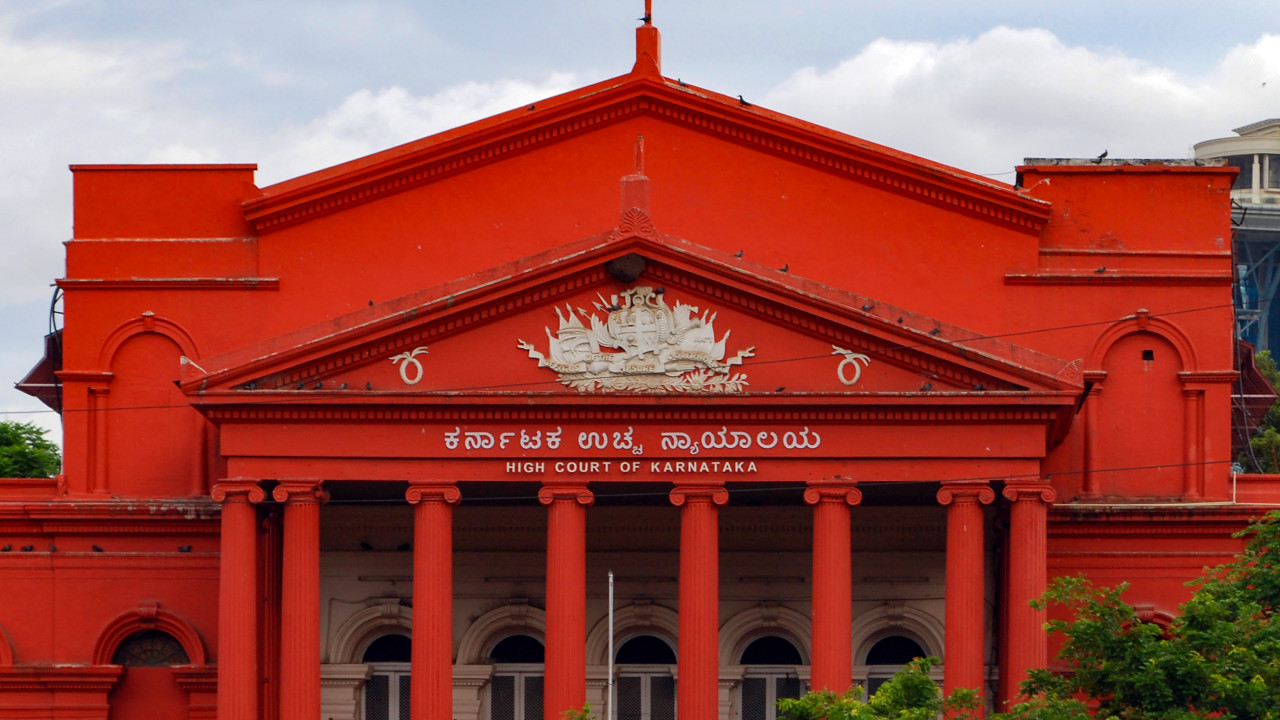
Supreme court
Supreme Court Rules on the Legality of the Citizenship (Amendment) Act, 2019
The Supreme Court of India has ruled on the legality of the Citizenship (Amendment) Act, 2019. The court ruled that the Act is constitutional, but that it may be subject to certain restrictions. The judgment was delivered by a five-judge bench, which heard petitions challenging the validity of the Act. The court observed that the Act is a matter of public importance and that it has significant implications for the country. The court ruled that the Act is constitutional, but that it may be subject to certain restrictions, including the requirement that it must be implemented in a non-discriminatory manner. The judgment has significant implications for the citizenship law in India, and is likely to be the subject of further litigation in the future. The court's ruling has been welcomed by many, who see it as a significant step forward in the development of the citizenship law in India. However, the judgment has also been criticized by some, who argue that it does not go far enough in protecting the rights of certain groups. The court's decision is likely to have significant implications for the way in which citizenship is regulated in India, and is likely to be the subject of further analysis and commentary in the coming days and weeks. The Supreme Court's ruling is a significant development in the ongoing debate about citizenship in India, and is likely to have significant implications for the future of citizenship law in the country. The judgment is likely to be seen as a significant victory for the government, which had introduced the Act. The court's ruling has been welcomed by many, who see it as a significant step forward in the development of the citizenship law in India. The judgment is likely to be the subject of further analysis and commentary in the coming days and weeks, as its implications are fully understood. The Supreme Court's ruling is a significant milestone in the development of the citizenship law in India, and is likely to have significant implications for the future of citizenship in the country.