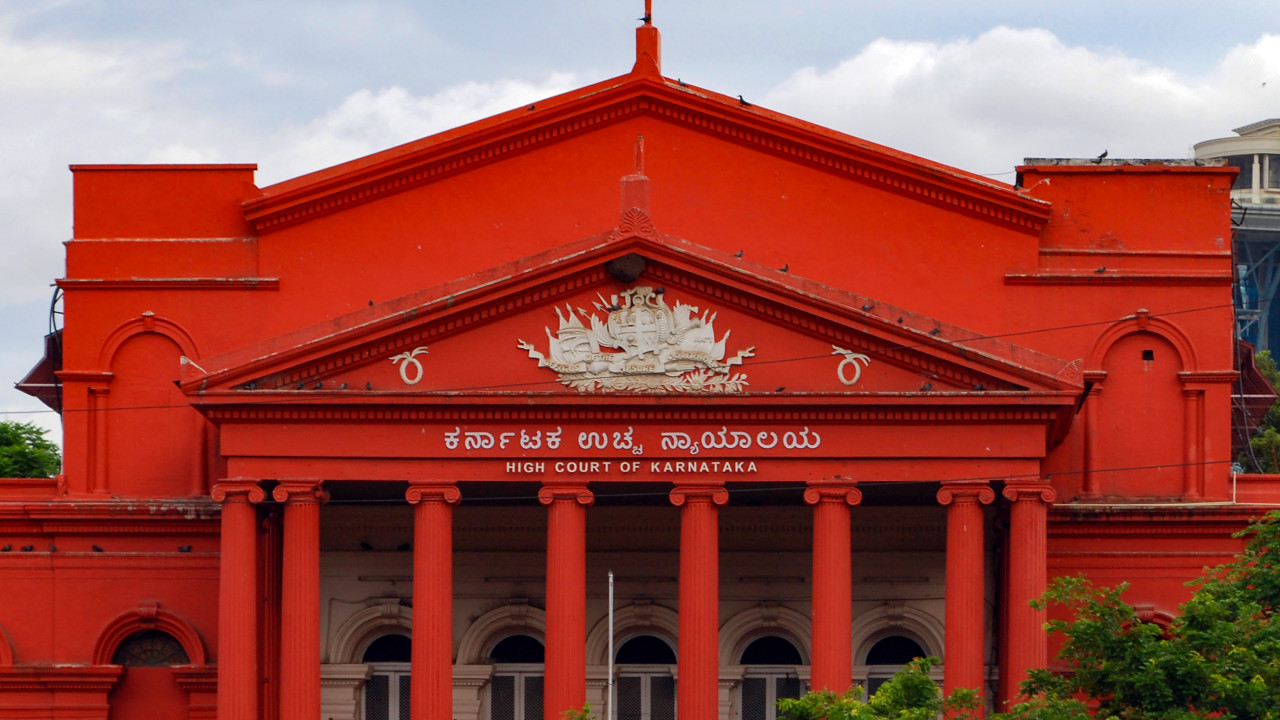
Supreme court
Supreme Court Upholds Right to Protest, But With Certain Conditions
Background: The Supreme Court of India recently heard a petition seeking to uphold the right to protest in the context of the Citizenship Amendment Act (CAA) protests. The petitioners argued that the right to protest is a fundamental right and that it should not be restricted by the government. Parties: The petitioners were a group of individuals and organizations, including the Indian Union Muslim League, while the respondents were the Union of India and the Ministry of Home Affairs. Legal issues: The main issue before the court was whether the right to protest is a fundamental right and whether it can be restricted by the government. Court observations: The Supreme Court observed that the right to protest is a fundamental right, but it is not absolute and can be restricted by the government in certain circumstances. The court upheld the right to protest, but with certain conditions, including that the protest should be peaceful and should not cause harm to others. Significance: The judgment is significant as it upholds the right to protest, but also imposes certain conditions on the exercise of this right. The judgment will have implications for the ability of individuals and organizations to protest against government policies and will pave the way for a more nuanced understanding of the right to protest in India.