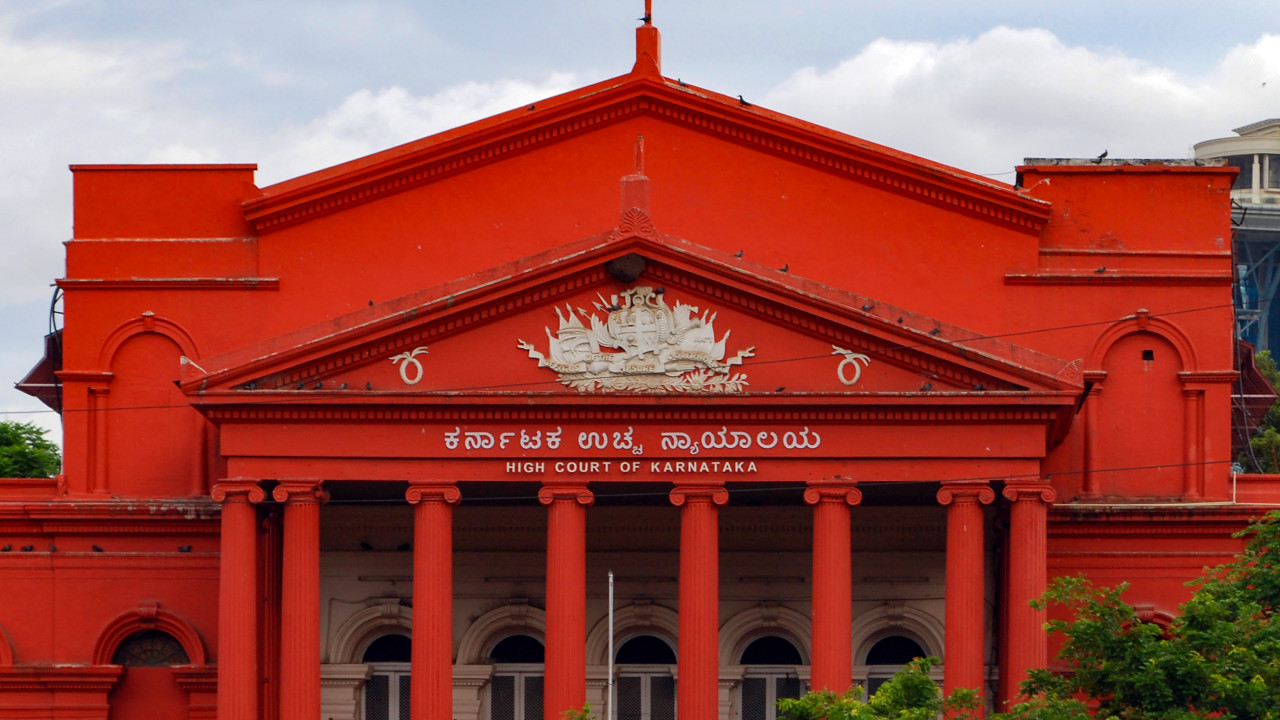
High court
Madras High Court Orders Tamil Nadu Government to Pay Compensation to Families of COVID-19 Victims
The Madras High Court has ordered the Tamil Nadu government to pay compensation to the families of COVID-19 victims who died due to the lack of oxygen supply in hospitals during the second wave of the pandemic. The court was hearing a petition filed by a group of families who lost their loved ones due to the lack of oxygen supply in hospitals. The petitioners argued that the state government was responsible for the deaths as it had failed to ensure that hospitals had adequate oxygen supply. The court observed that the state government had a duty to ensure that hospitals had adequate oxygen supply and that the failure to do so was a breach of this duty. The court directed the state government to pay a compensation of Rs 5 lakh to each of the families who lost their loved ones due to the lack of oxygen supply. The court also ordered the state government to conduct an inquiry into the circumstances surrounding the deaths and to take action against those responsible. The case highlights the importance of ensuring that the government takes responsibility for its actions and provides compensation to those who have been affected by its failures. The court's decision is significant as it underscores the need for the government to be accountable for its actions and to provide compensation to those who have been affected by its failures. The court's observation that the state government had a duty to ensure that hospitals had adequate oxygen supply is also noteworthy, as it emphasizes the need for the government to take a proactive approach to ensuring that hospitals have the necessary resources to provide adequate care to patients. The case is a reminder that the courts play a crucial role in ensuring that the government acts in accordance with the law and with due regard for the rights of citizens. The Madras High Court's decision is a significant development in the ongoing debate about the government's response to the COVID-19 pandemic. The court's reliance on the principles of administrative law and the need for the government to be accountable for its actions is also significant, as it underscores the importance of these principles in guiding the decision-making process of the government. The case is also a reminder that the courts are responsible for interpreting the law and ensuring that the government acts in accordance with its provisions. In conclusion, the Madras High Court's decision is a significant development in the field of administrative law and human rights. The case highlights the importance of ensuring that the government takes responsibility for its actions and provides compensation to those who have been affected by its failures.