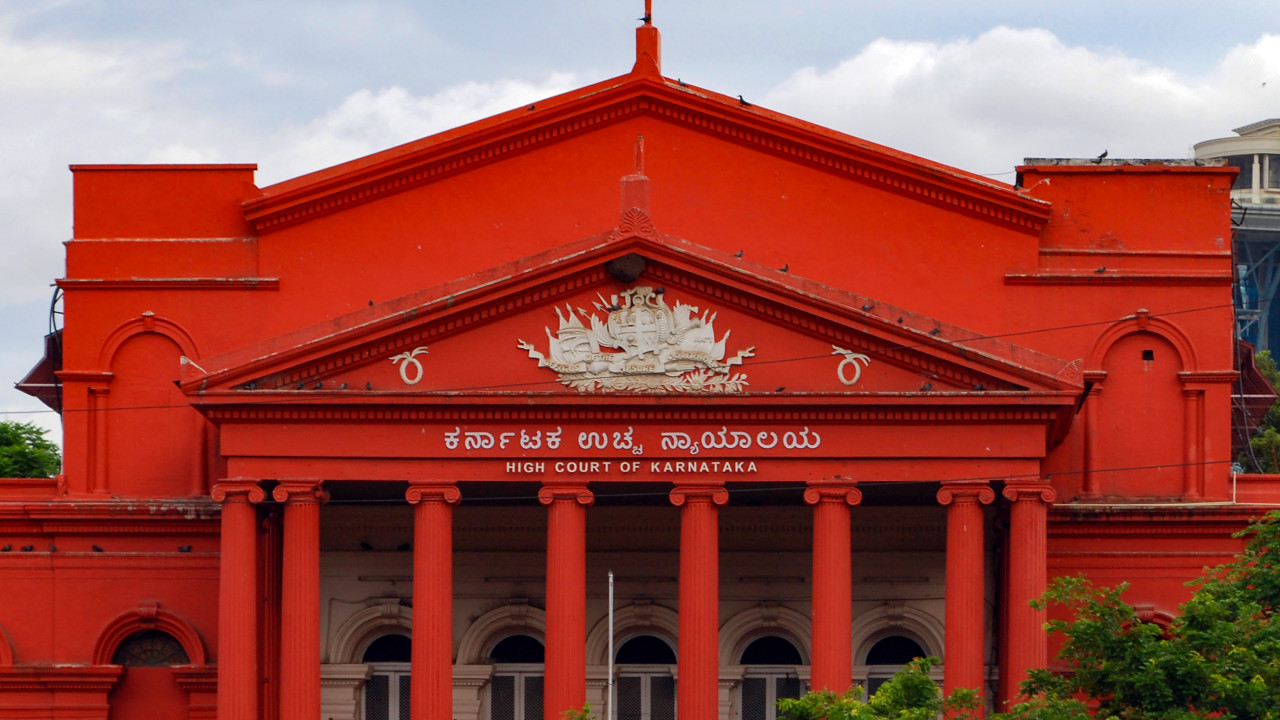
High court
Delhi High Court Dismisses Plea Against Appointment of New Delhi LG
The Delhi High Court has dismissed a plea challenging the appointment of Vinai Kumar Saxena as the new Lieutenant Governor of Delhi. The court observed that the petitioner had no locus standi to challenge the appointment. The petitioner had argued that the appointment was made without consulting the Chief Minister of Delhi, as required by the Constitution. However, the court held that the petitioner had not demonstrated any legal right or interest that was affected by the appointment. The court also noted that the appointment was made by the President of India, who has the authority to make such appointments under the Constitution. The petitioner had sought a direction to the Centre to reconsider the appointment and to consult the Chief Minister before making any appointment to the post. The court's decision is significant as it upholds the authority of the President to make appointments to key positions in the government. The case highlights the importance of understanding the constitutional provisions related to the appointment of high-ranking officials. The court's observation that the petitioner had no locus standi to challenge the appointment is also noteworthy, as it emphasizes the need for petitioners to demonstrate a clear legal interest in the matter being challenged. The decision is likely to have implications for future cases related to appointments to key positions in the government. The court's reliance on the constitutional provisions and the principles of administrative law is also significant, as it underscores the importance of these principles in guiding the decision-making process of the government. The case is a reminder that the courts play a crucial role in ensuring that the government acts in accordance with the law and the Constitution. The Delhi High Court's decision is a significant development in the ongoing debate about the role of the Lieutenant Governor in the governance of Delhi. The court's observation that the appointment was made in accordance with the Constitution is likely to have implications for the relationship between the Lieutenant Governor and the Chief Minister. The case is also a reminder that the courts are responsible for interpreting the Constitution and ensuring that the government acts in accordance with its provisions. In conclusion, the Delhi High Court's decision is a significant development in the field of constitutional law and administrative law. The case highlights the importance of understanding the constitutional provisions related to appointments to key positions in the government and the need for petitioners to demonstrate a clear legal interest in the matter being challenged.