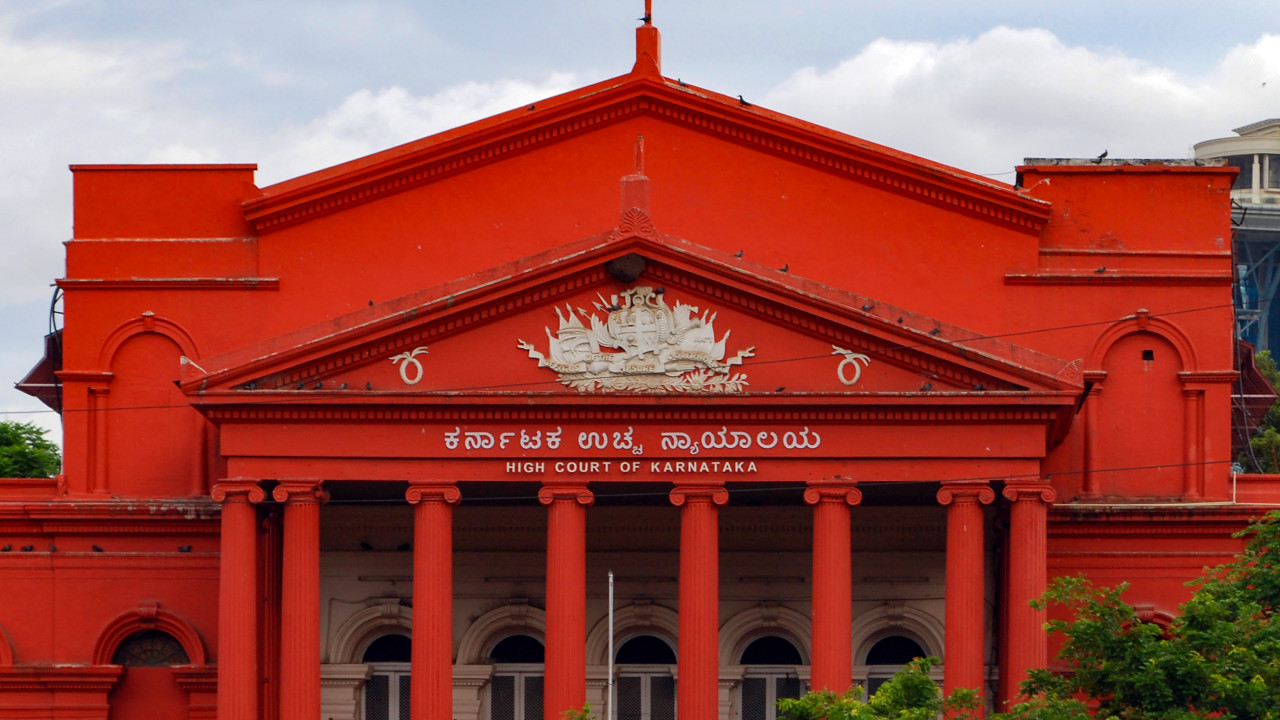
Supreme court
Supreme Court Orders Probe into Alleged Extra-Judicial Killings in Manipur
The Supreme Court of India has ordered a probe into alleged extra-judicial killings in Manipur, following a petition filed by a group of human rights activists. The court was hearing a petition alleging that the security forces had carried out fake encounters in the state, resulting in the deaths of over 1,500 people. A bench headed by Justice Madan B. Lokur directed the registration of FIRs into the alleged killings and ordered the setting up of a Special Investigation Team (SIT) to probe the cases. The court observed that the allegations were serious and required a thorough investigation. The petitioners had alleged that the security forces had been carrying out fake encounters in the state, and that the state government had failed to take action against the perpetrators. The court's order is significant as it highlights the need for accountability and transparency in the actions of security forces. The probe is expected to shed light on the circumstances surrounding the alleged killings and to bring justice to the families of the victims. The court's decision has been welcomed by human rights groups, who have been campaigning for an end to impunity for security forces in the state. The Supreme Court's order is also seen as a significant step forward in the protection of human rights in the state, and is expected to have a positive impact on the rule of law in Manipur. The court's ruling has sparked a debate on the need for greater accountability and transparency in the actions of security forces, and is expected to influence the development of human rights law in India. The Supreme Court's decision is a significant contribution to the ongoing debate on human rights and the rule of law, and is expected to shape the development of these issues in India for years to come. The court's order has also highlighted the importance of independent and impartial investigations into allegations of human rights abuses, and the need for effective remedies for victims and their families. The Supreme Court's judgment is a significant step forward in the protection of human rights and the rule of law in India, and is expected to have a lasting impact on the development of constitutional law in the country.