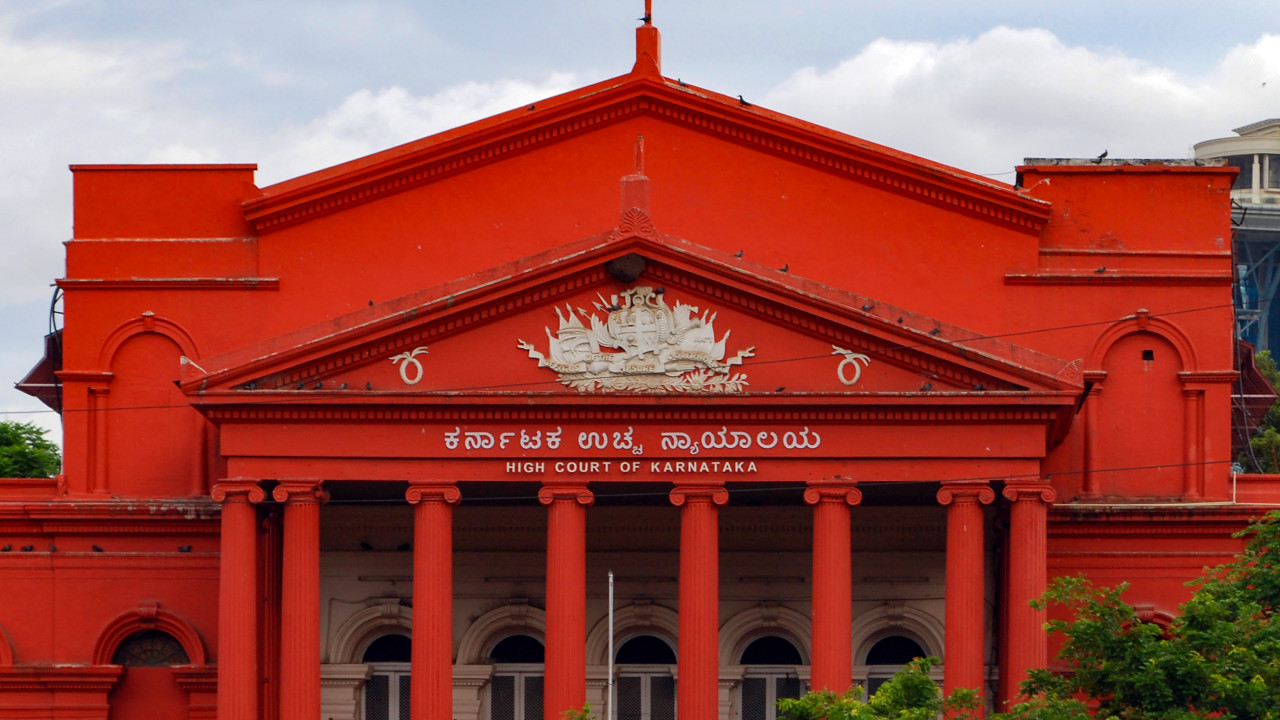
Supreme court
Supreme Court Upholds Maharashtra Government's Decision to Grant Quota to Marathas
The Supreme Court of India has upheld the Maharashtra government's decision to grant a quota to the Maratha community in government jobs and educational institutions. The court observed that the decision was taken to promote social and economic equality. The Maratha community had been demanding reservation for a long time, and the state government had finally granted it in 2018. However, the decision was challenged in the court by some petitioners who argued that it was unconstitutional. The court rejected their arguments and said that the decision was taken in accordance with the Constitution. The court also observed that the reservation would not exceed 12% in jobs and 13% in educational institutions. This decision is significant as it will impact the lives of millions of people in the state. The court's verdict has been welcomed by the Maratha community, while others have expressed disappointment. The Maharashtra government has said that it will implement the decision immediately. The Supreme Court's decision is a landmark judgment and will have far-reaching consequences. It will not only impact the Maratha community but also other communities who are demanding reservation. The court's decision has also sparked a debate on the issue of reservation and its impact on society. The Supreme Court has made it clear that reservation is a tool to promote social and economic equality, and it should be used judiciously. The court has also emphasized the need to review the reservation policy from time to time to ensure that it is effective and not misused. The Maharashtra government has said that it will review the policy regularly to ensure that it is implemented in the right spirit. The Supreme Court's decision is a significant step towards promoting social and economic equality in the country. It is expected to have a positive impact on the lives of millions of people, especially those who belong to the marginalized communities. The court's decision has been hailed as a victory for the Maratha community, and it is expected to pave the way for other communities to demand reservation. However, the decision has also raised concerns about the impact of reservation on merit and competition. Some experts have argued that reservation can lead to a decline in merit and competition, while others have argued that it is necessary to promote social and economic equality. The Supreme Court has tried to strike a balance between the two competing interests and has said that reservation should be used judiciously to promote social and economic equality. The court's decision is a significant contribution to the debate on reservation and its impact on society. It is expected to have far-reaching consequences and will be closely watched by other states and communities.