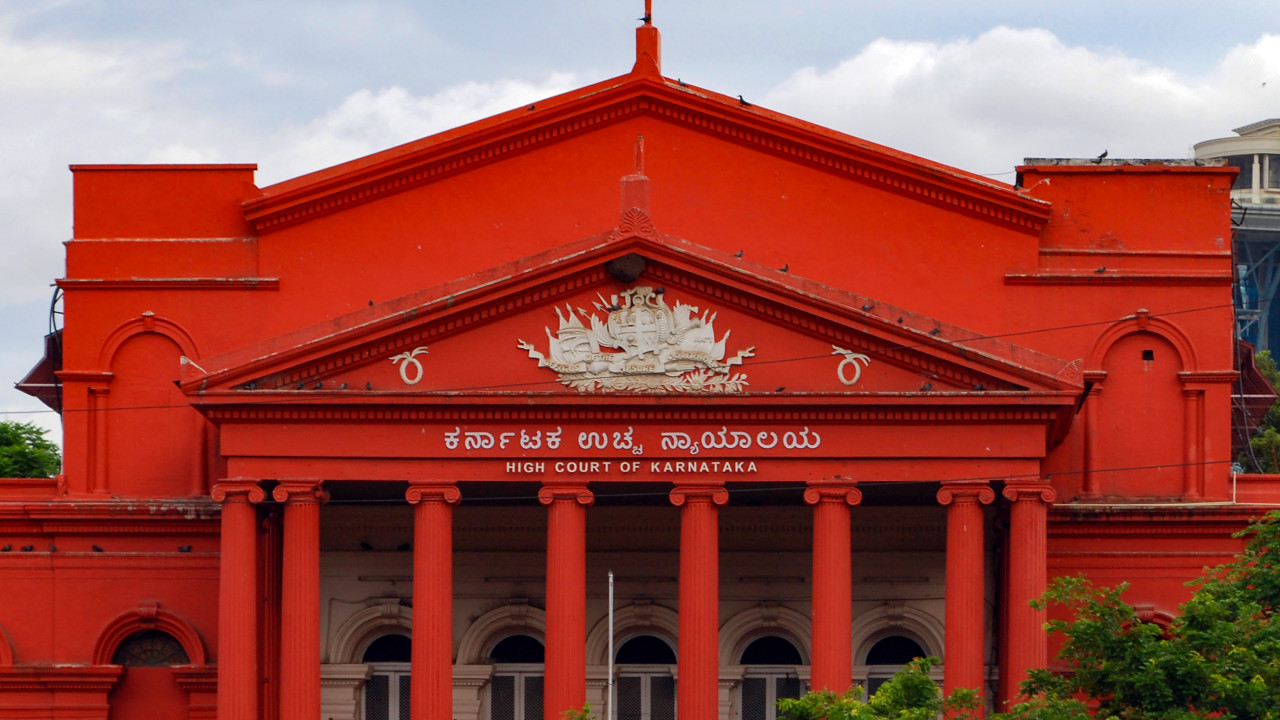
Supreme court
Supreme Court Orders Government to Implement Reservation Policy for SC/STs in Promotions
The Supreme Court of India has ordered the government to implement a reservation policy for Scheduled Castes (SCs) and Scheduled Tribes (STs) in promotions, in a move that is likely to have significant implications for the lives and livelihoods of millions of people across the country. The court held that the government's failure to implement the reservation policy was a violation of the rights of SCs and STs, and that it was therefore unconstitutional. The case was filed by a group of petitioners who argued that the government's failure to implement the reservation policy was a breach of its constitutional obligations to promote social justice and equality. The petitioners argued that the reservation policy was essential to ensuring that SCs and STs had equal access to opportunities and benefits, and that its non-implementation was perpetuating inequality and discrimination. The Supreme Court's decision is significant, as it marks a major milestone in the ongoing debate over reservation policies and their implementation in India. The judgment is a testament to the Indian judiciary's commitment to upholding the rights of marginalized communities and promoting social justice and equality. The Supreme Court's decision is likely to have significant implications for the lives and livelihoods of millions of SCs and STs across the country, and its impact will be closely watched by stakeholders across the country. The court's emphasis on the need for the government to implement the reservation policy is a timely reminder of the importance of ensuring that the rights of marginalized communities are protected and promoted. The case highlights the complex and often conflicting relationship between reservation policies, social justice, and equality in India, and the need for a more nuanced and balanced approach to these issues. The Supreme Court's decision is a significant milestone in the evolution of reservation policies in India, and its impact will be felt for years to come. The court's emphasis on the need for the government to implement the reservation policy is a reminder of the importance of ensuring that the rights of marginalized communities are protected and promoted. The judgment is a significant step towards promoting social justice and equality in India, and its impact will be closely watched by scholars, policymakers, and civil society groups around the world. The case highlights the need for a more nuanced and balanced approach to reservation policies, one that takes into account the rights and interests of marginalized communities. The Supreme Court's decision is a significant milestone in the evolution of reservation policies in India, and its impact will be felt for years to come.