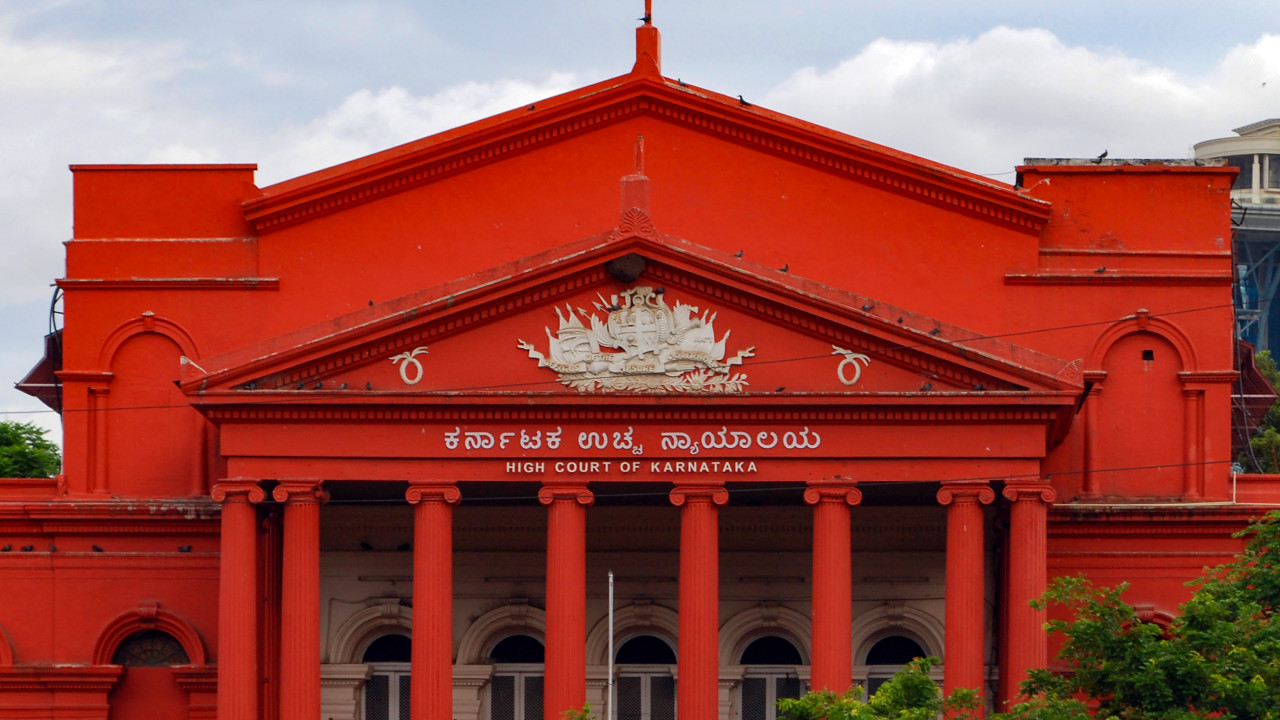
High court
Gujarat High Court Dismisses Plea Challenging State Government's Decision to Build Statue of Unity
The Gujarat High Court has dismissed a plea challenging the state government's decision to build the Statue of Unity, a 182-meter tall statue of Sardar Vallabhbhai Patel. The petitioners, who are tribal activists, argued that the construction of the statue would cause significant environmental damage and would also lead to the displacement of tribal communities. The court observed that the state government had taken all necessary steps to ensure that the construction of the statue was carried out in an environmentally sustainable manner and that the rights of the tribal communities were protected. The court also noted that the statue was a national monument and that it would promote tourism and economic development in the region. The construction of the Statue of Unity has been a contentious issue, with many tribal activists and environmentalists opposing the project. The petitioners argued that the construction of the statue would lead to the destruction of forests and wildlife habitats, and that it would also cause significant pollution and disruption to the local ecosystem. However, the state government argued that the statue would be a symbol of national pride and that it would promote economic development and tourism in the region. The court's decision to dismiss the plea is significant as it upholds the state government's decision to build the statue. The Statue of Unity is one of the tallest statues in the world and is a major tourist attraction in Gujarat. The court's decision is also significant as it highlights the importance of balancing economic development with environmental protection. The petitioners argued that the construction of the statue would cause significant environmental damage, but the court observed that the state government had taken all necessary steps to ensure that the construction was carried out in an environmentally sustainable manner. The case is a reminder that the judiciary has an important role to play in ensuring that the government's decisions are reasonable and proportionate. As the case has been dismissed, it is likely that the construction of the Statue of Unity will continue as planned. The court's decision will have significant implications for the environment and the local communities, and it will be important to see how the state government ensures that the construction of the statue is carried out in an environmentally sustainable manner. The court's decision is also significant as it highlights the importance of public participation and awareness in environmental issues. The petitioners argued that the state government had failed to consult with the local communities and that this had contributed to the lack of effective action to address the environmental concerns. The court's decision is a reminder that public participation and awareness are critical in addressing environmental issues, and that the government has a responsibility to educate the public about the importance of protecting the environment. The case is a significant development in the ongoing debate over the construction of large-scale infrastructure projects in India, and it will be important to see how the government balances economic development with environmental protection in the future.