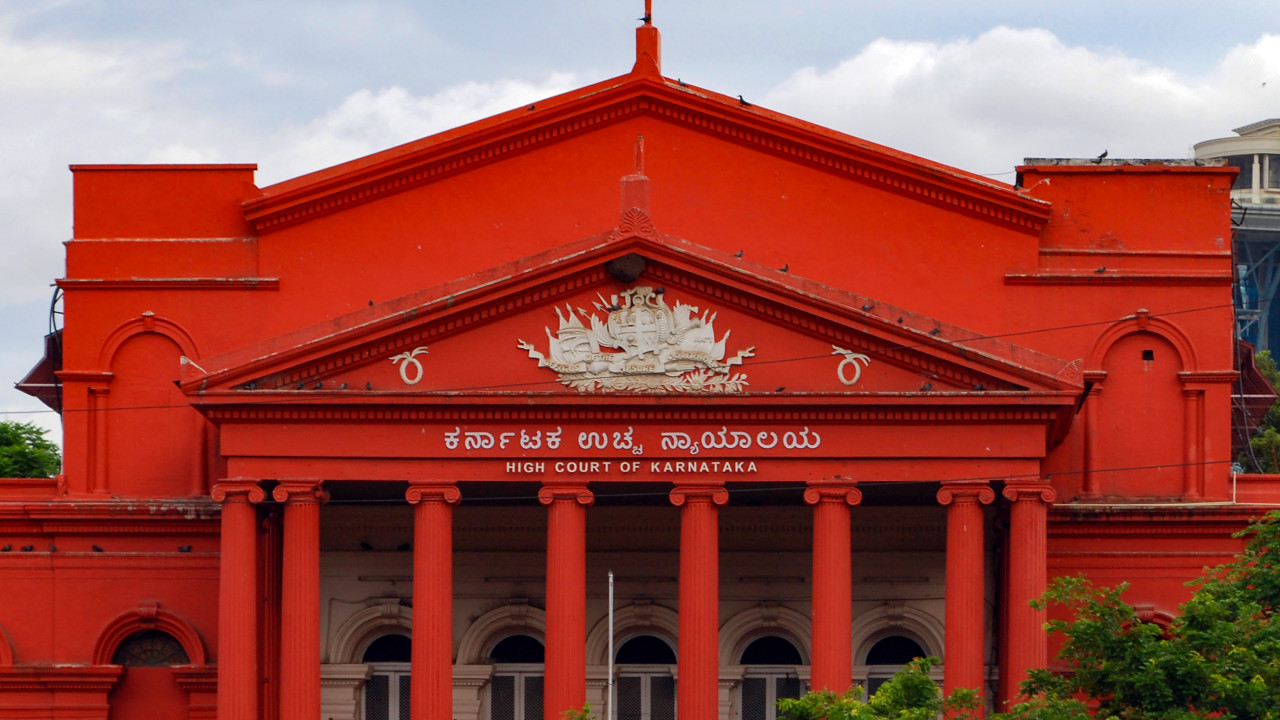
High court
Rajasthan High Court Directs State Government to Implement New Policy for Appointment of Government Lawyers
The Rajasthan High Court has directed the state government to implement a new policy for the appointment of government lawyers. Background: The issue began when it was discovered that the existing policy for appointing government lawyers was arbitrary and lacked transparency. Parties: The petitioners were lawyers and social activists, while the respondents were the Rajasthan government and the law department. Legal issues: The main issue was whether the existing policy for appointing government lawyers was valid and whether the state government had the power to appoint lawyers without following a transparent and merit-based process. Court observations: The court observed that the existing policy was arbitrary and lacked transparency, and that the state government had a responsibility to implement a new policy that was fair and merit-based. Significance: The court's decision will promote transparency and accountability in the appointment of government lawyers, and will help to ensure that the best candidates are selected for the job. The case highlights the importance of having a fair and transparent process for appointing government lawyers, and the need for greater oversight and regulation to prevent arbitrariness and favoritism. The Rajasthan High Court's decision is a significant victory for transparency and accountability, and will have implications for the administration of justice in the state. The case has highlighted the need for greater awareness and education about the importance of transparency and accountability in the appointment of government lawyers, and the need for a fair and merit-based process. The Rajasthan government has been directed to implement a new policy for the appointment of government lawyers, which will help to promote transparency and accountability. The case is an example of how the courts can play a crucial role in promoting good governance and protecting the rights of citizens. The Rajasthan High Court's decision will have far-reaching implications for the administration of justice and the rights of citizens, and it will be interesting to see how the case unfolds in the coming days. The court's order has been welcomed by lawyers and social activists, who have been campaigning for greater transparency and accountability in the appointment of government lawyers.