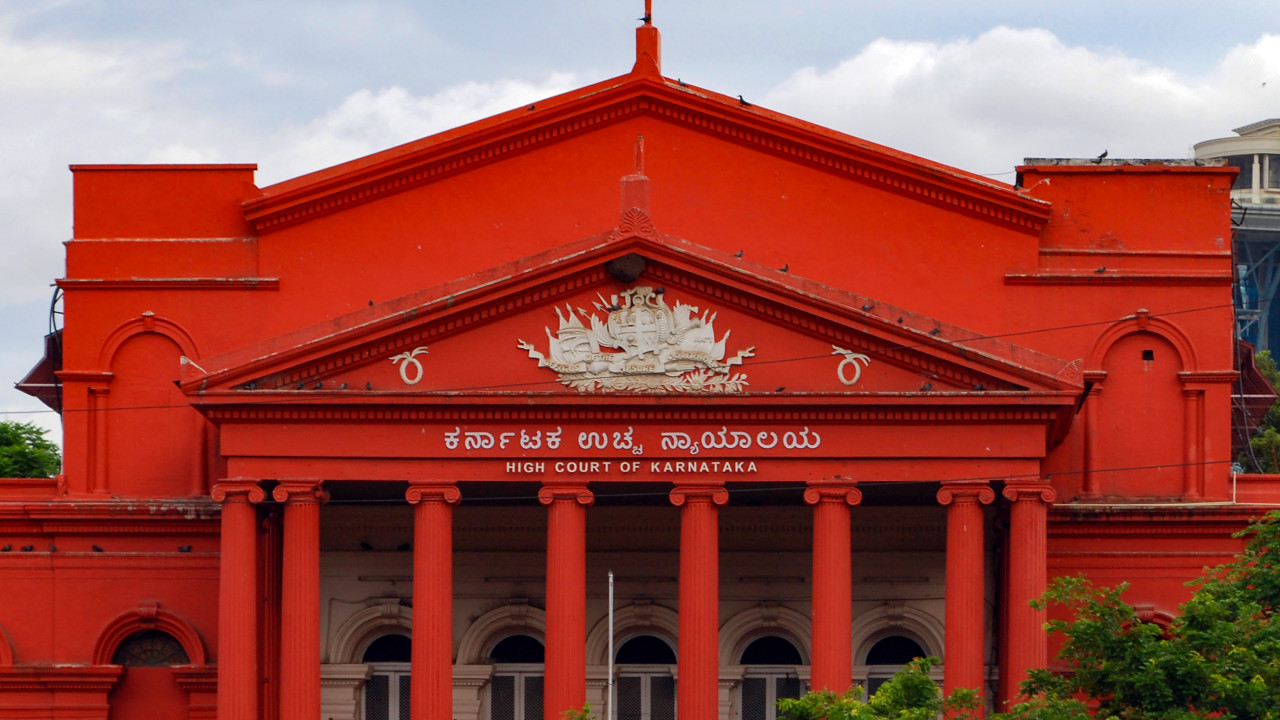
High court
Gujarat High Court Dismisses Plea Against Gujarat Government's Decision to Demolish Slums
The Gujarat High Court has dismissed a plea against the Gujarat government's decision to demolish slums in the state. Background: The issue began when the Gujarat government announced that it would demolish slums in the state, citing concerns about public health and safety. However, some residents of the slums challenged the decision, arguing that it would leave them homeless and without access to basic amenities. Parties: The petitioners were residents of the slums, while the respondents were the Gujarat government and the municipal authorities. Legal issues: The main issue was whether the Gujarat government had the power to demolish the slums without providing alternative housing to the residents. Court observations: The court observed that the decision to demolish the slums was taken in the public interest and that the residents had been provided with adequate notice and opportunity to relocate. Significance: The court's decision will allow the Gujarat government to proceed with its plans to demolish the slums, which it claims will improve public health and safety. However, the decision has been criticized by human rights groups, who argue that it will leave thousands of people homeless and without access to basic amenities. The case highlights the challenges faced by urban planning and development in India, and the need for more effective and humane solutions to the problem of slums. The Gujarat High Court's decision is a significant example of how the courts are addressing the complex issues surrounding urban development and the rights of marginalized communities. The case has highlighted the need for greater awareness and education about the importance of providing alternative housing to residents of slums, and the need for more effective and humane solutions to the problem of slums. The Gujarat government has been allowed to proceed with its plans to demolish the slums, which will have significant implications for the residents and the state as a whole. The case is an example of how the courts can play a crucial role in balancing the competing interests of different stakeholders and promoting the public interest. The Gujarat High Court's decision will have far-reaching implications for urban development and the rights of marginalized communities, and it will be interesting to see how the case unfolds in the coming days.