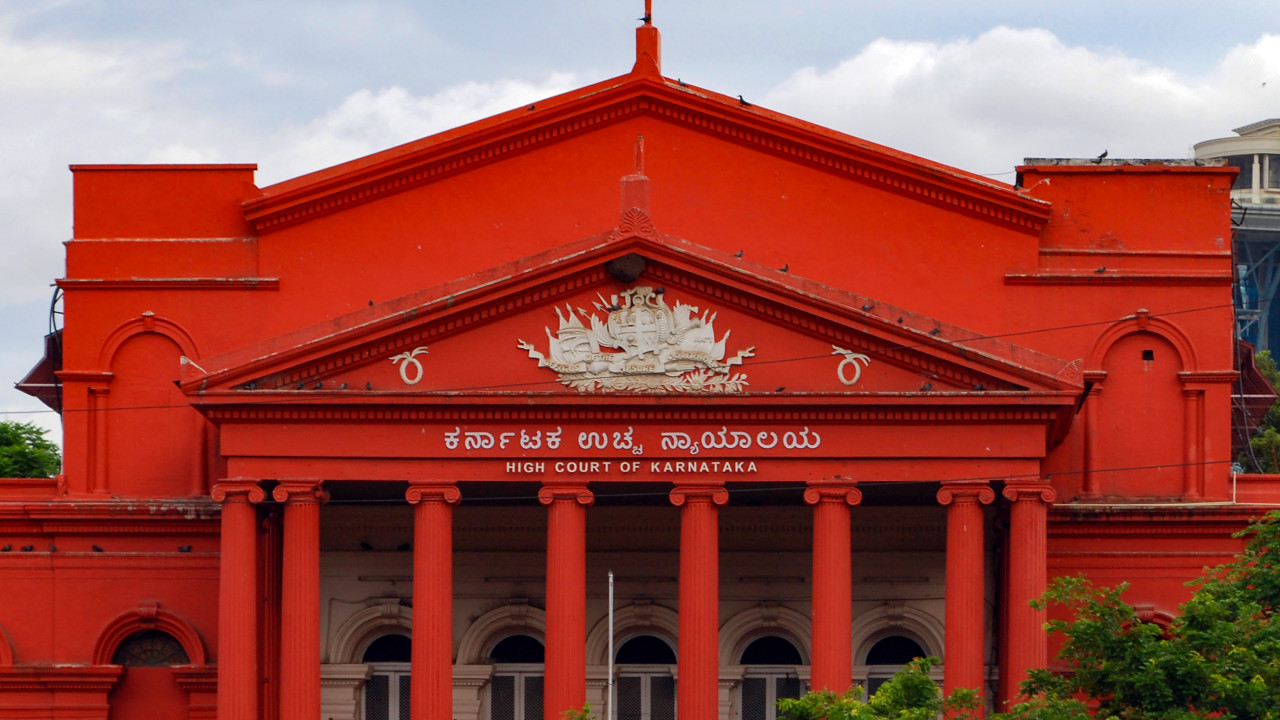
Supreme court
Supreme Court Rules on the Legality of Protests at Jantar Mantar
The Supreme Court of India has ruled on the legality of protests at Jantar Mantar in New Delhi. The court ruled that the right to protest is a fundamental right, but that it is not absolute and may be restricted by the state in certain circumstances. The judgment was delivered by a three-judge bench, which heard a petition challenging the decision of the Delhi Police to restrict protests at Jantar Mantar. The court observed that the right to protest is an essential part of a democratic society, but that it must be balanced against the need to maintain public order. The court ruled that the Delhi Police had acted lawfully in restricting protests at Jantar Mantar, but that the restrictions must be reasonable and proportionate to the threat posed by the protest. The judgment has significant implications for the right to protest in India, and is likely to be the subject of further litigation in the future. The court's ruling has been welcomed by civil liberties groups, who argue that it will help to protect the right to protest. However, the judgment has also been criticized by some, who argue that it does not go far enough in protecting the right to protest. The court's decision is likely to have significant implications for the way in which protests are regulated in India, and is likely to be the subject of further analysis and commentary in the coming days and weeks. The Supreme Court's ruling is a significant development in the ongoing debate about the right to protest in India, and is likely to have significant implications for the future of protests in the country. The judgment is likely to be seen as a significant victory for the petitioners, who had challenged the decision of the Delhi Police to restrict protests at Jantar Mantar. The court's ruling has been welcomed by many, who see it as a significant step forward in the protection of the right to protest in India. The judgment is likely to be the subject of further analysis and commentary in the coming days and weeks, as its implications are fully understood. The Supreme Court's ruling is a significant milestone in the development of the right to protest in India, and is likely to have significant implications for the future of protests in the country. The court's decision is likely to have significant implications for the way in which protests are regulated in India, and is likely to be the subject of further litigation in the future.