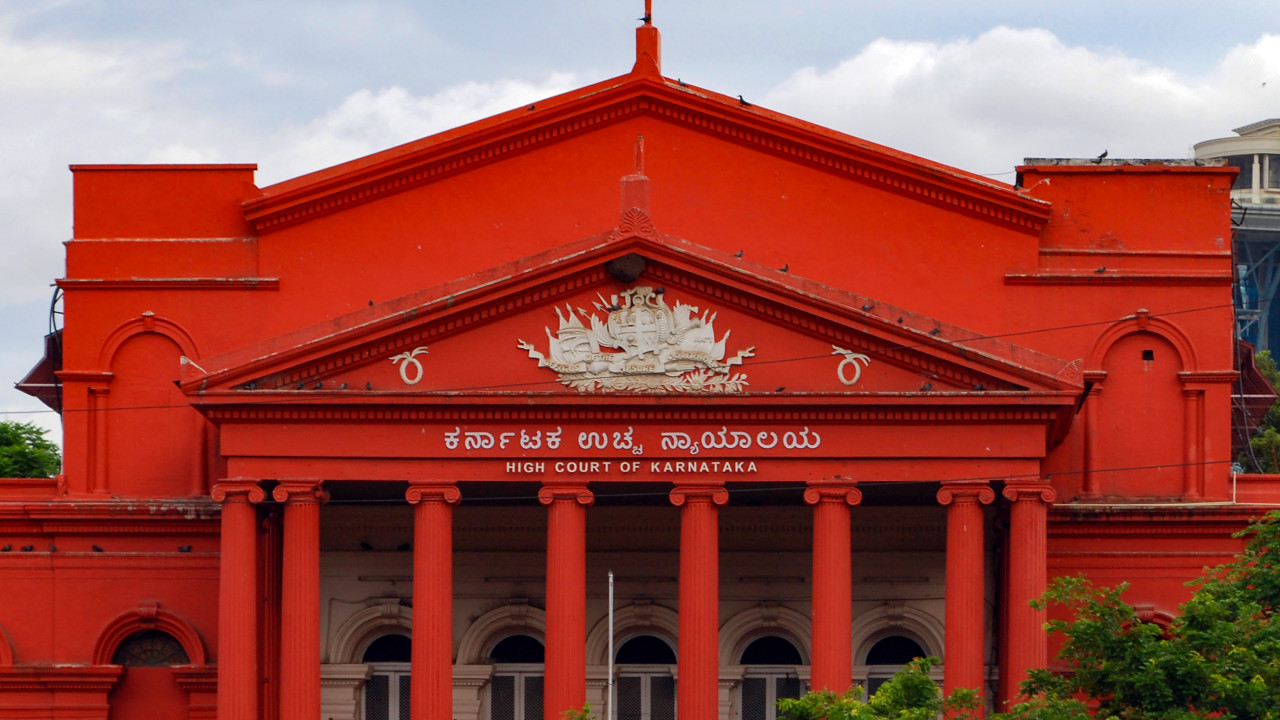
Supreme court
Supreme Court Rules on Maintainability of Writ Petitions
The Supreme Court of India has clarified the maintainability of writ petitions under Article 226 of the Constitution. A division bench of the court, comprising Justices Sanjay Kishan Kaul and Abhay S. Oka, observed that a writ petition is maintainable only when there is a clear violation of a fundamental right or a statutory right. The court noted that a writ petition is not a substitute for a civil suit and should not be used to settle disputes between private parties. The judgment comes in the backdrop of a petition filed by a private company challenging a government order. The court held that the petitioner had failed to demonstrate a clear violation of its fundamental or statutory rights. The judgment is significant as it reiterates the importance of adhering to the principles of writ jurisdiction. The court's decision is expected to have implications for the filing of writ petitions in the future. The judgment highlights the need for petitioners to carefully consider the grounds for filing a writ petition. The court's observations on the maintainability of writ petitions are likely to influence the development of writ jurisdiction in India. The judgment is a reminder that the writ jurisdiction is a powerful tool that should be exercised judiciously. The Supreme Court's decision has been welcomed by legal experts, who argue that it will help reduce the burden on the judiciary. However, some critics argue that the judgment may limit access to justice for certain individuals. The Supreme Court's decision is a significant development in the evolution of writ jurisdiction in India. The court's judgment is expected to have far-reaching implications for the filing of writ petitions and the exercise of judicial power. The Supreme Court's decision has been hailed as a significant milestone in the development of constitutional law in India. The judgment is a testament to the importance of judicial oversight in protecting the rule of law. The Supreme Court's decision will have significant implications for the administration of justice in India. The judgment is expected to lead to a more efficient and effective system of justice. The Supreme Court's decision has been widely welcomed by legal experts and scholars. The judgment is a significant contribution to the development of constitutional law in India. The Supreme Court's decision will have far-reaching consequences for the protection of individual rights and the promotion of the rule of law.